Explore why WordPress remains the top CMS choice for businesses in 2026, focusing on integration capabilities and essential plugins.
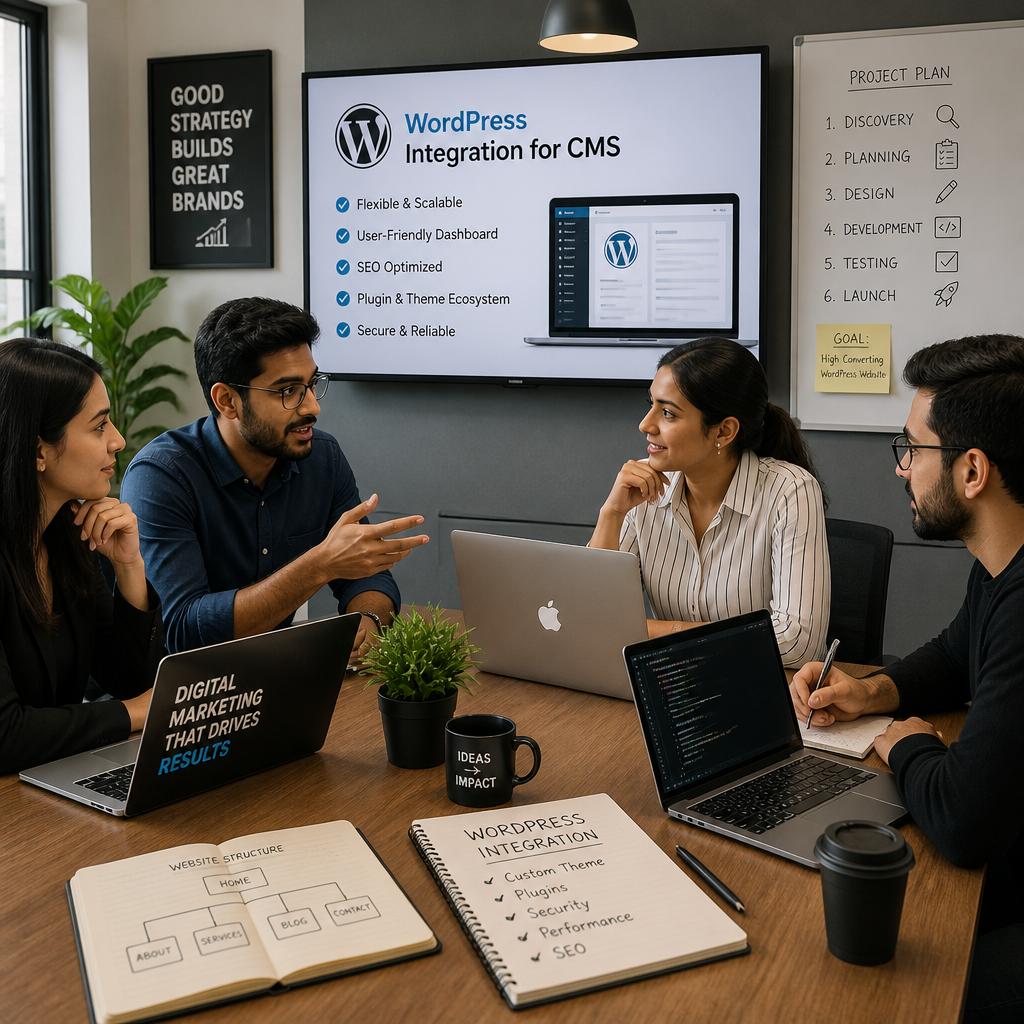
Understanding WordPress Integration as a CMS
One of the primary reasons WordPress has become so popular in the business sector is its exceptional integration capabilities. Businesses today require a CMS that can connect effortlessly with various tools and services to streamline their operations, and WordPress provides just that.
I’ve seen this up close: a B2B client wanted HubSpot forms, Salesforce lead routing, and GA4 events—all without sending the dev team into a two-week sprint every time marketing tweaked a field. We didn’t “replatform.” We integrated.
Here’s the basic step-by-step I use so integrations don’t turn into spaghetti:
- List the systems of record (CRM, email, billing) and pick one owner per system.
- Map the data (fields, consent, lifecycle stage) before touching a plugin.
- Implement in staging first, then test a full flow (submit form → CRM → email → reporting).
- Add monitoring (error logs, webhook failures, form abandonment) so you catch breakage early.
Moreover, software like the Siteimprove WordPress plugin makes it easier for companies to manage their content quality, SEO, and accessibility directly within the WordPress framework. This plugin acts as an overlay to inform users about potential site issues, allowing teams to address them proactively.
A common question businesses ask is whether WordPress truly functions as a CMS. Yes, it does, and it excels in this role. The platform can support a vast array of content types and complex structures that modern businesses require. As the trend moves towards a more integrated approach in content management, WordPress has proven to be adaptable, ensuring its leading position in the CMS landscape.
Why Are People Moving Away from WordPress?
While some businesses may consider moving away from WordPress, often due to performance concerns or security issues, the platform’s continuous updates and security improvements have made it a reliable choice. Furthermore, the community-driven support ensures that any vulnerabilities are promptly addressed, keeping WordPress sites secure and functional.
That said, I rarely see “WordPress is the problem.” Usually it’s self-inflicted:
- Installing five plugins that all inject their own scripts, then wondering why Core Web Vitals tank.
- Skipping a caching layer (or misconfiguring it), so every page view hits PHP and the database.
- Letting editors run wild with page builders, which quietly bloats markup and slows templates.
If you want a practical starting point, I’d use a shortlist like this and compare it to your stack: Top WordPress CMS Integrations for 2026. It helps you spot overlaps before you commit.
Essential Plugins for Enhancing WordPress as a CMS
The true power of WordPress as a CMS lies within its extensive plugin ecosystem. There are over 65,000 plugins available, offering functionalities that can transform a standard WordPress installation into a powerful business tool.
But here’s my bias: more plugins doesn’t mean a better site. I’d rather run 12 well-chosen plugins than 40 “nice-to-haves,” because every plugin adds update surface area, potential conflicts, and sometimes front-end weight.
For example, plugins such as Yoast for SEO and WooCommerce for eCommerce solutions empower businesses to enhance their online presence and improve user experience without requiring extensive coding knowledge. In particular, the top WordPress plugins in 2026 allow businesses to operate efficiently, especially when you stick to proven categories (SEO, forms, security, caching, backups).
One real workflow I’ve shipped for small marketing teams looks like this:
- Yoast to standardize titles/meta + generate sitemap
- A forms plugin wired to the CRM (with spam protection)
- A caching plugin (or host-level caching) plus image optimization
- Editorial checks via the Siteimprove WordPress plugin so accessibility/SEO issues get flagged before publish
The common mistake is stacking duplicate tools—two SEO plugins, three analytics plugins, and a “speed” plugin that breaks the theme. So I always test changes one at a time and keep a rollback plan.
White Label CMS Solution
If you’re a web developer or agency looking to offer WordPress services, a white label CMS solution can be a game changer. Using white label WordPress plugins allows businesses to rebrand and customize the WordPress experience for their clients, providing a tailored solution that meets diverse business needs.
In addition, the admin panel can be customized using various plugins to ensure a user-friendly experience for clients, reducing the learning curve associated with managing a CMS. I’ve done this for multi-location businesses where the owner just needed “Pages, Posts, Locations, Testimonials”—not 30 menu items and a panic attack.
In summary, the combination of robust integrations, a rich ecosystem of plugins, and continued support solidifies WordPress’s position as the premier CMS for businesses in 2026 and beyond. If you want the straight business case laid out, this is a useful reference point: Benefits of Using WordPress as Your Main CMS. Then pick your integrations, keep the plugin list tight, and ship.