Category: Email Marketing

  • 10 Email Marketing Tips for 2026 Success

    10 Email Marketing Tips for 2026 Success

    Discover 10 essential tips for successful email marketing in 2026. Learn how to enhance engagement and boost conversions today!

    Featured image for 10 Essential Email Marketing Tips for 2026 Success

    10 Essential Email Marketing Tips for Success in 2026

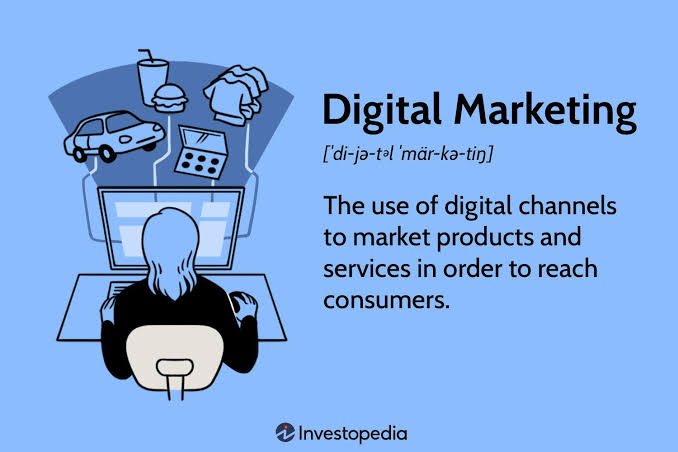
    digital marketing

    Email marketing still prints money in 2026—if you treat it like a system, not a one-off campaign. The common thread behind the tips below: relevance (to the reader) and reliability (for inbox placement).

    1. Focus on Personalization
    new img

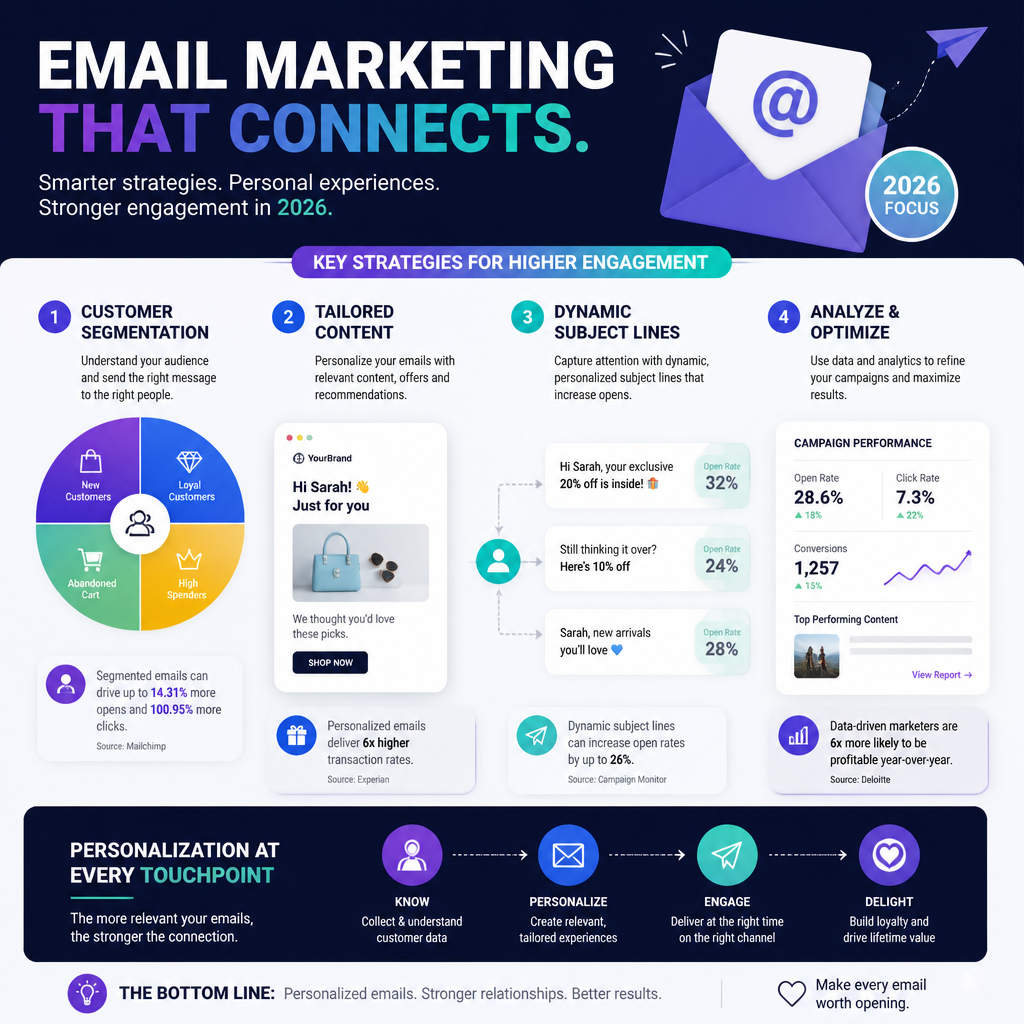
    Personalization isn’t just sprinkling in a first name. It’s matching message, timing, and offer to what someone actually did (or didn’t do) and what they’re likely to need next.

    Emails that are personalized can see significantly higher open and click-through rates. According to recent statistics, personalized email campaigns generate 6x higher transaction rates than non-personalized ones (Digital Applied). That lines up with what I see in real accounts: when the email feels “meant for me,” people click without thinking.

    A simple way to level up fast:

    • Behavior-based recommendations: “You bought X, so here’s the accessory people usually grab next.”
    • Category interest: track what they browse and send one focused email per category, not a department-store flyer.
    • Local/context personalization: time zone, store location, seasonality.

    One mistake I’ve had to clean up more than once: a brand merges lists, maps fields incorrectly, and suddenly half the list gets “Hi ,” or the wrong product recommendations. So, before you go wild, audit your merge tags and test with real records.

    To dive deeper into personalization strategies, check out how to personalize your emails for better engagement in 2026.

    2. Segment Your Email List

    Segmentation is where “email marketing” turns into “email sales.” Instead of one message for everyone, you create a few lanes—and you stop annoying people who were never going to buy that thing.

    By segmenting your email list based on demographics, past purchases, or engagement level, you can send targeted messages that are much more relevant to the recipient. This strategy has been shown to drive 760% more revenue than non-segmented blasts (Digital Applied).

    If you’re not sure how to segment without overthinking it, start with four practical buckets:

    • New (0–14 days since signup): education + one clear “next step” offer.
    • Active (opens/clicks in last 30–60 days): your core promos and product drops.
    • At-risk (no engagement 60–120 days): lighter cadence, more “why stay” value.
    • VIP (repeat buyers/high AOV): early access, bundles, and human-sounding check-ins.

    Segmentation also protects deliverability. Since disengaged recipients drag down reputation, keeping them out of your main sends often lifts results across the board.

    3. Leverage AI for Better Performance

    AI is useful when it reduces busywork and improves decisions. It’s not magic, and it’s definitely not a license to ship bland, auto-written copy.

    Artificial Intelligence is transforming email marketing by enhancing personalization, optimizing send times, and automating responses. Tools that utilize AI can help you create effective subject lines and improve your email content. Leveraging AI can lead to a 26% increase in open rates compared to traditional methods (Digital Applied).

    Where I’d use AI in 2026:

    • Subject line and preheader variations: generate 10, pick 3, then A/B test.
    • Send-time optimization: especially for global lists where “9am” means nothing.
    • Routing + tagging: auto-label intent (pricing-page clickers, webinar watchers).

    Where I’m cautious:

    • Fully AI-written “brand voice”. It often reads like warmed-over oatmeal, and people feel that.

    If you want the bigger picture, this piece on AI email transformation is a solid jump-off.

    4. Monitor Performance Metrics

    Open rate is increasingly fuzzy, so you need a broader dashboard that ties back to real outcomes.

    In 2026, traditional metrics like open rates are losing relevance. Instead, focus on metrics such as inbox placement rates, click-through rates, and revenue per recipient. Understanding these metrics provides a clearer view of your campaign’s effectiveness and guides necessary adjustments.

    Here’s what I actually look at when diagnosing a struggling program:

    • Inbox placement rate: if this drops, nothing else matters.
    • Click-to-open rate (CTOR): tells you if the content matches the promise.
    • Revenue per recipient: keeps you honest, especially during promo-heavy months.
    • Unsub + complaint rate by segment: often the “problem” is one segment getting the wrong email.

    A quick mini-story: I once saw a team celebrate a high open rate spike—then refunds spiked too. The subject line overpromised, the landing page underdelivered, and support got crushed. So, track revenue and downstream pain.

    5. Prioritize Mobile Email Optimization

    Mobile optimization is not optional; it’s the default state of email consumption now.

    With approximately 60% of emails being opened on mobile devices, ensuring that your emails are mobile-friendly is essential (Digital Applied).

    Practical mobile rules I follow:

    • Single-column layout and generous line spacing.
    • One primary CTA above the fold (two max, if you must).
    • Big tap targets (thumb-friendly buttons, not tiny text links).
    • Shorter subject lines: many phones cut after ~35–45 characters.

    Also, test on a real device. I’ve seen “responsive” templates that technically shrink, yet the CTA ends up below three screens of text. On desktop it looked beautiful; on an iPhone it died.

    6. Invest in Quality Content

    If your emails are all promos, you’re training people to ignore you until there’s a discount. So, mix value and selling on purpose.

    Your content should provide value to your audience. Whether you are sharing tips, promotional offers, or news, ensure that it is relevant and engaging. High-quality content fosters customer loyalty and encourages subscribers to stay engaged with your emails.

    A few content formats that consistently earn clicks:

    • “One problem, one fix” emails: quick wins convert.
    • Behind-the-scenes: how the product is made, why you changed a feature, what’s coming.
    • Customer examples: a short story + what they did + the result (keep it believable).

    For instance, a well-written newsletter can keep your audience informed and interested in your brand, driving repeat visits to your site. For more on content strategies, explore the top content generation strategies for 2026.

    7. Implement Lifecycle Marketing

    Lifecycle marketing is how you stop relying on constant promotions. You set up emails that show up at the right moments, then you refine them over time.

    Lifecycle marketing involves sending timely emails based on consumer interactions and milestones. For example, welcome emails, anniversary promotions, and re-engagement campaigns can significantly boost customer retention.

    A lifecycle setup I like for most small businesses:

    • Welcome series (3–5 emails): set expectations, tell your “why,” then make a focused offer.
    • Post-purchase series: how to use it, how to avoid common mistakes, and what to buy next.
    • Browse/cart abandon: keep it short, add friction-reducers (shipping, returns, sizing).
    • Reactivation: one “we miss you,” then a preference center or a clean unsubscribe.

    This approach ensures that your communications are timely and relevant, enhancing customer experience. Also, it makes your weekly calendar less chaotic because revenue isn’t only coming from “whatever we send on Friday.”

    8. Be Compliant with Privacy Regulations

    Compliance is boring until it isn’t—then it’s expensive and stressful.

    As privacy laws become more stringent, ensuring compliance is paramount. This includes obtaining explicit consent before sending emails and providing easy opt-out options. Failure to comply can lead to damaging consequences for your brand’s reputation. Familiarize yourself with regulations such as GDPR and CAN-SPAM to stay compliant.

    Two practical habits that save headaches:

    • Keep proof of consent (source, timestamp, form version). You’ll thank yourself later.
    • Use double opt-in when list quality matters more than list size (it usually does).

    And don’t hide the unsubscribe. Besides being required, a clean opt-out is better than spam complaints—which can damage inboxing for everyone.

    9. Optimize Sending Times

    Sending time is a lever, but it’s not the lever. Relevance beats timing almost every time.

    Understanding when your audience is most likely to engage with your emails can improve your open rates. Experiment with different sending times and analyze which times yield the best results. Tools that provide insights into user behavior can help determine optimal sending windows.

    How I’d test this without making it a science project:

    • Pick two time windows (for example, Tue 10am vs Thu 3pm).
    • Run the test for at least 4–6 sends, because one email is noise.
    • Measure clicks and revenue per recipient, not just opens.

    If you sell B2B, mornings often work because people triage email early. If you’re ecom, evenings and weekends can surprise you—especially for hobby or lifestyle products. But again, it depends on your audience, so test and keep receipts.

    10. Utilize Email Marketing Tools

    Good tools won’t fix a bad strategy, but they absolutely make a good strategy easier to execute.

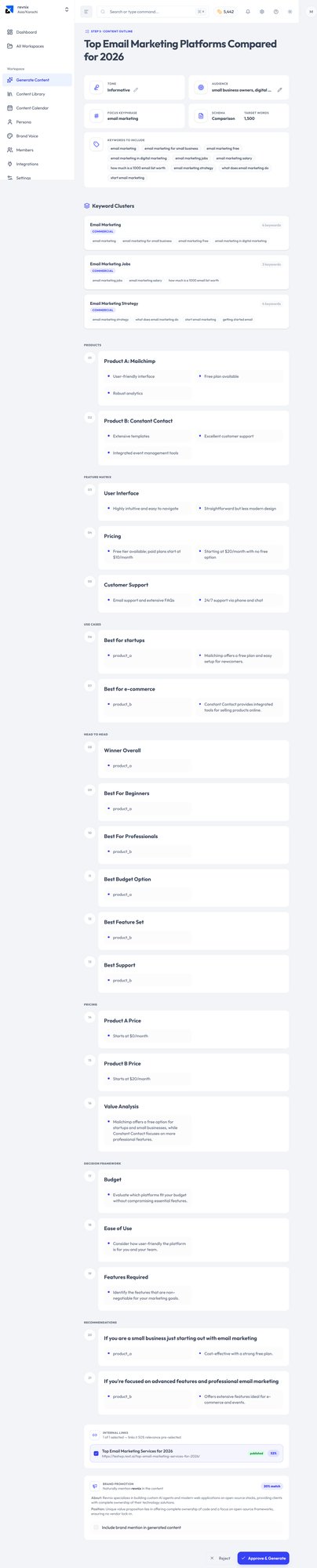
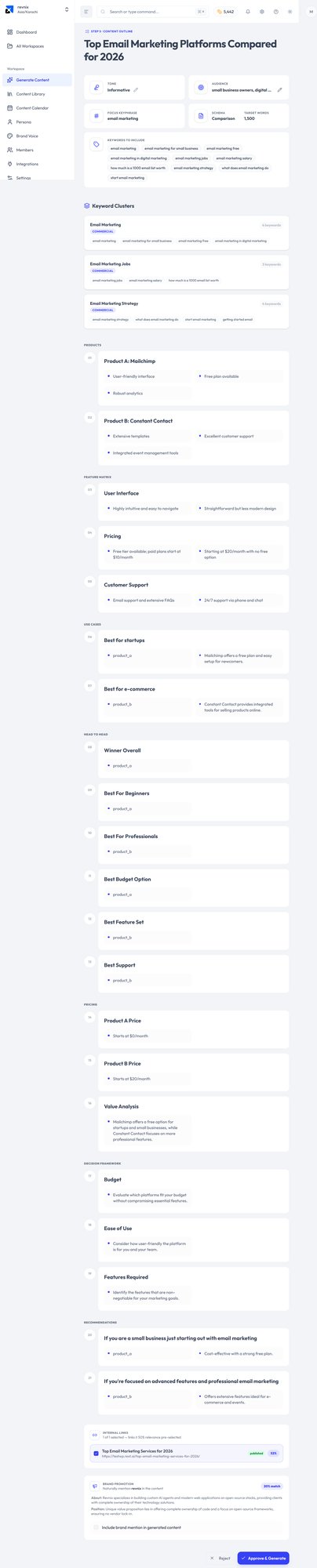
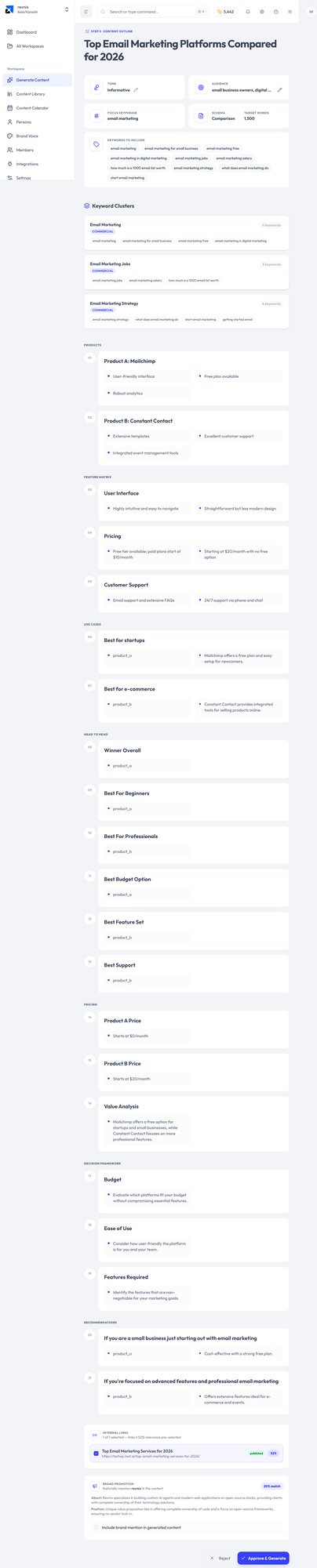
    To maximize your email marketing success, using reliable tools is essential. Platforms that offer automation, analytics, and A/B testing options help streamline your campaigns. Check out the best email marketing tools of 2026 to find the right fit for your business.

    When I’m evaluating a platform, I look for:

    • Automation builder that doesn’t feel like wiring a spaceship.
    • Deliverability controls (domain authentication prompts, suppression lists).
    • Segmentation that’s actually usable (behavior + purchase + engagement).
    • A/B testing that supports more than subject lines.

    If you’re still shopping, compare options in top email marketing platforms for 2026, and then sanity-check features in this email marketing platforms comparison. I also keep this shortlist bookmarked: top email marketing platforms 2026.


    Understanding Email Marketing: Types, Costs, and Careers

    If you understand the “why” behind each email type—and what it costs to run the channel—you’ll make better decisions than someone chasing random tactics.

    What Are the 4 Types of Email Marketing?

    1. Newsletter Emails: Regular updates that offer valuable content to subscribers, maintaining engagement.

    A newsletter works best when it has a repeatable structure. For example: one insight, one link, one offer. Since consistency matters, I’d rather see a monthly newsletter shipped on time than a weekly one that collapses after three weeks.

    1. Promotional Emails: Emails aimed at driving sales through special offers, discounts, or events.

    Promos aren’t the enemy. The problem is constant promos with no differentiation. So, rotate angles—new arrivals, bundles, limited inventory, seasonal use-cases—then keep the CTA obvious.

    1. Transactional Emails: Automated emails triggered by specific actions, such as purchase confirmations or shipping notifications.

    These get insane engagement, which means they’re a great place to add helpful info: setup instructions, support links, referral prompts, and a soft cross-sell that doesn’t derail the main purpose.

    1. Lifecycle Emails: Emails tailored to specific stages in the customer journey, enhancing engagement based on user behavior.

    Lifecycle is where strategy lives. It’s also where you can support a bigger plan, like a winning digital marketing strategy for 2026—email should amplify the rest of your marketing, not operate on an island.

    How Much Is a 1000 Email List Worth?

    The value of your email list can vary based on your industry and how effectively you engage with subscribers. On average, an email subscriber is worth approximately $36 to $42 per dollar spent on email marketing (Digital Applied). This means a list of 1,000 engaged subscribers could potentially generate significant revenue.

    The key word is engaged. A list of 1,000 people who never open is basically dead weight (and can even hurt deliverability). Meanwhile, 1,000 buyers who opted in at checkout can outperform a bigger list of giveaway entrants.
  • 10 Email Marketing Tips for 2026 Success

    10 Email Marketing Tips for 2026 Success

    Discover 10 essential tips for successful email marketing in 2026. Learn how to enhance engagement and boost conversions today!

    Featured image for 10 Essential Email Marketing Tips for 2026 Success

    10 Essential Email Marketing Tips for Success in 2026

    digital marketing

    Email marketing still prints money in 2026—if you treat it like a system, not a one-off campaign. The common thread behind the tips below: relevance (to the reader) and reliability (for inbox placement).

    1. Focus on Personalization

    new img

    Personalization isn’t just sprinkling in a first name. It’s matching message, timing, and offer to what someone actually did (or didn’t do) and what they’re likely to need next.

    Emails that are personalized can see significantly higher open and click-through rates. According to recent statistics, personalized email campaigns generate 6x higher transaction rates than non-personalized ones (Digital Applied). That lines up with what I see in real accounts: when the email feels “meant for me,” people click without thinking.

    A simple way to level up fast:

    • Behavior-based recommendations: “You bought X, so here’s the accessory people usually grab next.”
    • Category interest: track what they browse and send one focused email per category, not a department-store flyer.
    • Local/context personalization: time zone, store location, seasonality.

    One mistake I’ve had to clean up more than once: a brand merges lists, maps fields incorrectly, and suddenly half the list gets “Hi ,” or the wrong product recommendations. So, before you go wild, audit your merge tags and test with real records.

    To dive deeper into personalization strategies, check out how to personalize your emails for better engagement in 2026.

    2. Segment Your Email List

    Segmentation is where “email marketing” turns into “email sales.” Instead of one message for everyone, you create a few lanes—and you stop annoying people who were never going to buy that thing.

    By segmenting your email list based on demographics, past purchases, or engagement level, you can send targeted messages that are much more relevant to the recipient. This strategy has been shown to drive 760% more revenue than non-segmented blasts (Digital Applied).

    If you’re not sure how to segment without overthinking it, start with four practical buckets:

    • New (0–14 days since signup): education + one clear “next step” offer.
    • Active (opens/clicks in last 30–60 days): your core promos and product drops.
    • At-risk (no engagement 60–120 days): lighter cadence, more “why stay” value.
    • VIP (repeat buyers/high AOV): early access, bundles, and human-sounding check-ins.

    Segmentation also protects deliverability. Since disengaged recipients drag down reputation, keeping them out of your main sends often lifts results across the board.

    3. Leverage AI for Better Performance

    AI is useful when it reduces busywork and improves decisions. It’s not magic, and it’s definitely not a license to ship bland, auto-written copy.

    Artificial Intelligence is transforming email marketing by enhancing personalization, optimizing send times, and automating responses. Tools that utilize AI can help you create effective subject lines and improve your email content. Leveraging AI can lead to a 26% increase in open rates compared to traditional methods (Digital Applied).

    Where I’d use AI in 2026:

    • Subject line and preheader variations: generate 10, pick 3, then A/B test.
    • Send-time optimization: especially for global lists where “9am” means nothing.
    • Routing + tagging: auto-label intent (pricing-page clickers, webinar watchers).

    Where I’m cautious:

    • Fully AI-written “brand voice”. It often reads like warmed-over oatmeal, and people feel that.

    If you want the bigger picture, this piece on AI email transformation is a solid jump-off.

    4. Monitor Performance Metrics

    Open rate is increasingly fuzzy, so you need a broader dashboard that ties back to real outcomes.

    In 2026, traditional metrics like open rates are losing relevance. Instead, focus on metrics such as inbox placement rates, click-through rates, and revenue per recipient. Understanding these metrics provides a clearer view of your campaign’s effectiveness and guides necessary adjustments.

    Here’s what I actually look at when diagnosing a struggling program:

    • Inbox placement rate: if this drops, nothing else matters.
    • Click-to-open rate (CTOR): tells you if the content matches the promise.
    • Revenue per recipient: keeps you honest, especially during promo-heavy months.
    • Unsub + complaint rate by segment: often the “problem” is one segment getting the wrong email.

    A quick mini-story: I once saw a team celebrate a high open rate spike—then refunds spiked too. The subject line overpromised, the landing page underdelivered, and support got crushed. So, track revenue and downstream pain.

    5. Prioritize Mobile Email Optimization

    Mobile optimization is not optional; it’s the default state of email consumption now.

    With approximately 60% of emails being opened on mobile devices, ensuring that your emails are mobile-friendly is essential (Digital Applied).

    Practical mobile rules I follow:

    • Single-column layout and generous line spacing.
    • One primary CTA above the fold (two max, if you must).
    • Big tap targets (thumb-friendly buttons, not tiny text links).
    • Shorter subject lines: many phones cut after ~35–45 characters.

    Also, test on a real device. I’ve seen “responsive” templates that technically shrink, yet the CTA ends up below three screens of text. On desktop it looked beautiful; on an iPhone it died.

    6. Invest in Quality Content

    If your emails are all promos, you’re training people to ignore you until there’s a discount. So, mix value and selling on purpose.

    Your content should provide value to your audience. Whether you are sharing tips, promotional offers, or news, ensure that it is relevant and engaging. High-quality content fosters customer loyalty and encourages subscribers to stay engaged with your emails.

    A few content formats that consistently earn clicks:

    • “One problem, one fix” emails: quick wins convert.
    • Behind-the-scenes: how the product is made, why you changed a feature, what’s coming.
    • Customer examples: a short story + what they did + the result (keep it believable).

    For instance, a well-written newsletter can keep your audience informed and interested in your brand, driving repeat visits to your site. For more on content strategies, explore the top content generation strategies for 2026.

    7. Implement Lifecycle Marketing

    Lifecycle marketing is how you stop relying on constant promotions. You set up emails that show up at the right moments, then you refine them over time.

    Lifecycle marketing involves sending timely emails based on consumer interactions and milestones. For example, welcome emails, anniversary promotions, and re-engagement campaigns can significantly boost customer retention.

    A lifecycle setup I like for most small businesses:

    • Welcome series (3–5 emails): set expectations, tell your “why,” then make a focused offer.
    • Post-purchase series: how to use it, how to avoid common mistakes, and what to buy next.
    • Browse/cart abandon: keep it short, add friction-reducers (shipping, returns, sizing).
    • Reactivation: one “we miss you,” then a preference center or a clean unsubscribe.

    This approach ensures that your communications are timely and relevant, enhancing customer experience. Also, it makes your weekly calendar less chaotic because revenue isn’t only coming from “whatever we send on Friday.”

    8. Be Compliant with Privacy Regulations

    Compliance is boring until it isn’t—then it’s expensive and stressful.

    As privacy laws become more stringent, ensuring compliance is paramount. This includes obtaining explicit consent before sending emails and providing easy opt-out options. Failure to comply can lead to damaging consequences for your brand’s reputation. Familiarize yourself with regulations such as GDPR and CAN-SPAM to stay compliant.

    Two practical habits that save headaches:

    • Keep proof of consent (source, timestamp, form version). You’ll thank yourself later.
    • Use double opt-in when list quality matters more than list size (it usually does).

    And don’t hide the unsubscribe. Besides being required, a clean opt-out is better than spam complaints—which can damage inboxing for everyone.

    9. Optimize Sending Times

    Sending time is a lever, but it’s not the lever. Relevance beats timing almost every time.

    Understanding when your audience is most likely to engage with your emails can improve your open rates. Experiment with different sending times and analyze which times yield the best results. Tools that provide insights into user behavior can help determine optimal sending windows.

    How I’d test this without making it a science project:

    • Pick two time windows (for example, Tue 10am vs Thu 3pm).
    • Run the test for at least 4–6 sends, because one email is noise.
    • Measure clicks and revenue per recipient, not just opens.

    If you sell B2B, mornings often work because people triage email early. If you’re ecom, evenings and weekends can surprise you—especially for hobby or lifestyle products. But again, it depends on your audience, so test and keep receipts.

    10. Utilize Email Marketing Tools

    Good tools won’t fix a bad strategy, but they absolutely make a good strategy easier to execute.

    To maximize your email marketing success, using reliable tools is essential. Platforms that offer automation, analytics, and A/B testing options help streamline your campaigns. Check out the best email marketing tools of 2026 to find the right fit for your business.

    When I’m evaluating a platform, I look for:

    • Automation builder that doesn’t feel like wiring a spaceship.
    • Deliverability controls (domain authentication prompts, suppression lists).
    • Segmentation that’s actually usable (behavior + purchase + engagement).
    • A/B testing that supports more than subject lines.

    If you’re still shopping, compare options in top email marketing platforms for 2026, and then sanity-check features in this email marketing platforms comparison. I also keep this shortlist bookmarked: top email marketing platforms 2026.


    Understanding Email Marketing: Types, Costs, and Careers

    If you understand the “why” behind each email type—and what it costs to run the channel—you’ll make better decisions than someone chasing random tactics.

    What Are the 4 Types of Email Marketing?

    1. Newsletter Emails: Regular updates that offer valuable content to subscribers, maintaining engagement.

    A newsletter works best when it has a repeatable structure. For example: one insight, one link, one offer. Since consistency matters, I’d rather see a monthly newsletter shipped on time than a weekly one that collapses after three weeks.

    1. Promotional Emails: Emails aimed at driving sales through special offers, discounts, or events.

    Promos aren’t the enemy. The problem is constant promos with no differentiation. So, rotate angles—new arrivals, bundles, limited inventory, seasonal use-cases—then keep the CTA obvious.

    1. Transactional Emails: Automated emails triggered by specific actions, such as purchase confirmations or shipping notifications.

    These get insane engagement, which means they’re a great place to add helpful info: setup instructions, support links, referral prompts, and a soft cross-sell that doesn’t derail the main purpose.

    1. Lifecycle Emails: Emails tailored to specific stages in the customer journey, enhancing engagement based on user behavior.

    Lifecycle is where strategy lives. It’s also where you can support a bigger plan, like a winning digital marketing strategy for 2026—email should amplify the rest of your marketing, not operate on an island.

    How Much Is a 1000 Email List Worth?

    The value of your email list can vary based on your industry and how effectively you engage with subscribers. On average, an email subscriber is worth approximately $36 to $42 per dollar spent on email marketing (Digital Applied). This means a list of 1,000 engaged subscribers could potentially generate significant revenue.

    The key word is engaged. A list of 1,000 people who never open is basically dead weight (and can even hurt deliverability). Meanwhile, 1,000 buyers who opted in at checkout can outperform a bigger list of giveaway entrants.
  • 10 Email Marketing Tips for 2026 Success

    10 Email Marketing Tips for 2026 Success

    Discover 10 essential tips for successful email marketing in 2026. Learn how to enhance engagement and boost conversions today!

    Featured image for 10 Essential Email Marketing Tips for 2026 Success

    10 Essential Email Marketing Tips for Success in 2026

    digital marketing

    Email marketing still prints money in 2026—if you treat it like a system, not a one-off campaign. The common thread behind the tips below: relevance (to the reader) and reliability (for inbox placement).

    1. Focus on Personalization

    new img

    Personalization isn’t just sprinkling in a first name. It’s matching message, timing, and offer to what someone actually did (or didn’t do) and what they’re likely to need next.

    Emails that are personalized can see significantly higher open and click-through rates. According to recent statistics, personalized email campaigns generate 6x higher transaction rates than non-personalized ones (Digital Applied). That lines up with what I see in real accounts: when the email feels “meant for me,” people click without thinking.

    A simple way to level up fast:

    • Behavior-based recommendations: “You bought X, so here’s the accessory people usually grab next.”
    • Category interest: track what they browse and send one focused email per category, not a department-store flyer.
    • Local/context personalization: time zone, store location, seasonality.

    One mistake I’ve had to clean up more than once: a brand merges lists, maps fields incorrectly, and suddenly half the list gets “Hi ,” or the wrong product recommendations. So, before you go wild, audit your merge tags and test with real records.

    To dive deeper into personalization strategies, check out how to personalize your emails for better engagement in 2026.

    2. Segment Your Email List

    Segmentation is where “email marketing” turns into “email sales.” Instead of one message for everyone, you create a few lanes—and you stop annoying people who were never going to buy that thing.

    By segmenting your email list based on demographics, past purchases, or engagement level, you can send targeted messages that are much more relevant to the recipient. This strategy has been shown to drive 760% more revenue than non-segmented blasts (Digital Applied).

    If you’re not sure how to segment without overthinking it, start with four practical buckets:

    • New (0–14 days since signup): education + one clear “next step” offer.
    • Active (opens/clicks in last 30–60 days): your core promos and product drops.
    • At-risk (no engagement 60–120 days): lighter cadence, more “why stay” value.
    • VIP (repeat buyers/high AOV): early access, bundles, and human-sounding check-ins.

    Segmentation also protects deliverability. Since disengaged recipients drag down reputation, keeping them out of your main sends often lifts results across the board.

    3. Leverage AI for Better Performance

    AI is useful when it reduces busywork and improves decisions. It’s not magic, and it’s definitely not a license to ship bland, auto-written copy.

    Artificial Intelligence is transforming email marketing by enhancing personalization, optimizing send times, and automating responses. Tools that utilize AI can help you create effective subject lines and improve your email content. Leveraging AI can lead to a 26% increase in open rates compared to traditional methods (Digital Applied).

    Where I’d use AI in 2026:

    • Subject line and preheader variations: generate 10, pick 3, then A/B test.
    • Send-time optimization: especially for global lists where “9am” means nothing.
    • Routing + tagging: auto-label intent (pricing-page clickers, webinar watchers).

    Where I’m cautious:

    • Fully AI-written “brand voice”. It often reads like warmed-over oatmeal, and people feel that.

    If you want the bigger picture, this piece on AI email transformation is a solid jump-off.

    4. Monitor Performance Metrics

    Open rate is increasingly fuzzy, so you need a broader dashboard that ties back to real outcomes.

    In 2026, traditional metrics like open rates are losing relevance. Instead, focus on metrics such as inbox placement rates, click-through rates, and revenue per recipient. Understanding these metrics provides a clearer view of your campaign’s effectiveness and guides necessary adjustments.

    Here’s what I actually look at when diagnosing a struggling program:

    • Inbox placement rate: if this drops, nothing else matters.
    • Click-to-open rate (CTOR): tells you if the content matches the promise.
    • Revenue per recipient: keeps you honest, especially during promo-heavy months.
    • Unsub + complaint rate by segment: often the “problem” is one segment getting the wrong email.

    A quick mini-story: I once saw a team celebrate a high open rate spike—then refunds spiked too. The subject line overpromised, the landing page underdelivered, and support got crushed. So, track revenue and downstream pain.

    5. Prioritize Mobile Email Optimization

    Mobile optimization is not optional; it’s the default state of email consumption now.

    With approximately 60% of emails being opened on mobile devices, ensuring that your emails are mobile-friendly is essential (Digital Applied).

    Practical mobile rules I follow:

    • Single-column layout and generous line spacing.
    • One primary CTA above the fold (two max, if you must).
    • Big tap targets (thumb-friendly buttons, not tiny text links).
    • Shorter subject lines: many phones cut after ~35–45 characters.

    Also, test on a real device. I’ve seen “responsive” templates that technically shrink, yet the CTA ends up below three screens of text. On desktop it looked beautiful; on an iPhone it died.

    6. Invest in Quality Content

    If your emails are all promos, you’re training people to ignore you until there’s a discount. So, mix value and selling on purpose.

    Your content should provide value to your audience. Whether you are sharing tips, promotional offers, or news, ensure that it is relevant and engaging. High-quality content fosters customer loyalty and encourages subscribers to stay engaged with your emails.

    A few content formats that consistently earn clicks:

    • “One problem, one fix” emails: quick wins convert.
    • Behind-the-scenes: how the product is made, why you changed a feature, what’s coming.
    • Customer examples: a short story + what they did + the result (keep it believable).

    For instance, a well-written newsletter can keep your audience informed and interested in your brand, driving repeat visits to your site. For more on content strategies, explore the top content generation strategies for 2026.

    7. Implement Lifecycle Marketing

    Lifecycle marketing is how you stop relying on constant promotions. You set up emails that show up at the right moments, then you refine them over time.

    Lifecycle marketing involves sending timely emails based on consumer interactions and milestones. For example, welcome emails, anniversary promotions, and re-engagement campaigns can significantly boost customer retention.

    A lifecycle setup I like for most small businesses:

    • Welcome series (3–5 emails): set expectations, tell your “why,” then make a focused offer.
    • Post-purchase series: how to use it, how to avoid common mistakes, and what to buy next.
    • Browse/cart abandon: keep it short, add friction-reducers (shipping, returns, sizing).
    • Reactivation: one “we miss you,” then a preference center or a clean unsubscribe.

    This approach ensures that your communications are timely and relevant, enhancing customer experience. Also, it makes your weekly calendar less chaotic because revenue isn’t only coming from “whatever we send on Friday.”

    8. Be Compliant with Privacy Regulations

    Compliance is boring until it isn’t—then it’s expensive and stressful.

    As privacy laws become more stringent, ensuring compliance is paramount. This includes obtaining explicit consent before sending emails and providing easy opt-out options. Failure to comply can lead to damaging consequences for your brand’s reputation. Familiarize yourself with regulations such as GDPR and CAN-SPAM to stay compliant.

    Two practical habits that save headaches:

    • Keep proof of consent (source, timestamp, form version). You’ll thank yourself later.
    • Use double opt-in when list quality matters more than list size (it usually does).

    And don’t hide the unsubscribe. Besides being required, a clean opt-out is better than spam complaints—which can damage inboxing for everyone.

    9. Optimize Sending Times

    Sending time is a lever, but it’s not the lever. Relevance beats timing almost every time.

    Understanding when your audience is most likely to engage with your emails can improve your open rates. Experiment with different sending times and analyze which times yield the best results. Tools that provide insights into user behavior can help determine optimal sending windows.

    How I’d test this without making it a science project:

    • Pick two time windows (for example, Tue 10am vs Thu 3pm).
    • Run the test for at least 4–6 sends, because one email is noise.
    • Measure clicks and revenue per recipient, not just opens.

    If you sell B2B, mornings often work because people triage email early. If you’re ecom, evenings and weekends can surprise you—especially for hobby or lifestyle products. But again, it depends on your audience, so test and keep receipts.

    10. Utilize Email Marketing Tools

    Good tools won’t fix a bad strategy, but they absolutely make a good strategy easier to execute.

    To maximize your email marketing success, using reliable tools is essential. Platforms that offer automation, analytics, and A/B testing options help streamline your campaigns. Check out the best email marketing tools of 2026 to find the right fit for your business.

    When I’m evaluating a platform, I look for:

    • Automation builder that doesn’t feel like wiring a spaceship.
    • Deliverability controls (domain authentication prompts, suppression lists).
    • Segmentation that’s actually usable (behavior + purchase + engagement).
    • A/B testing that supports more than subject lines.

    If you’re still shopping, compare options in top email marketing platforms for 2026, and then sanity-check features in this email marketing platforms comparison. I also keep this shortlist bookmarked: top email marketing platforms 2026.


    Understanding Email Marketing: Types, Costs, and Careers

    If you understand the “why” behind each email type—and what it costs to run the channel—you’ll make better decisions than someone chasing random tactics.

    What Are the 4 Types of Email Marketing?

    1. Newsletter Emails: Regular updates that offer valuable content to subscribers, maintaining engagement.

    A newsletter works best when it has a repeatable structure. For example: one insight, one link, one offer. Since consistency matters, I’d rather see a monthly newsletter shipped on time than a weekly one that collapses after three weeks.

    1. Promotional Emails: Emails aimed at driving sales through special offers, discounts, or events.

    Promos aren’t the enemy. The problem is constant promos with no differentiation. So, rotate angles—new arrivals, bundles, limited inventory, seasonal use-cases—then keep the CTA obvious.

    1. Transactional Emails: Automated emails triggered by specific actions, such as purchase confirmations or shipping notifications.

    These get insane engagement, which means they’re a great place to add helpful info: setup instructions, support links, referral prompts, and a soft cross-sell that doesn’t derail the main purpose.

    1. Lifecycle Emails: Emails tailored to specific stages in the customer journey, enhancing engagement based on user behavior.

    Lifecycle is where strategy lives. It’s also where you can support a bigger plan, like a winning digital marketing strategy for 2026—email should amplify the rest of your marketing, not operate on an island.

    How Much Is a 1000 Email List Worth?

    The value of your email list can vary based on your industry and how effectively you engage with subscribers. On average, an email subscriber is worth approximately $36 to $42 per dollar spent on email marketing (Digital Applied). This means a list of 1,000 engaged subscribers could potentially generate significant revenue.

    The key word is engaged. A list of 1,000 people who never open is basically dead weight (and can even hurt deliverability). Meanwhile, 1,000 buyers who opted in at checkout can outperform a bigger list of giveaway entrants.
  • 10 Email Marketing Tips for 2026 Success

    10 Email Marketing Tips for 2026 Success

    Discover 10 essential tips for successful email marketing in 2026. Learn how to enhance engagement and boost conversions today!

    Featured image for 10 Essential Email Marketing Tips for 2026 Success

    10 Essential Email Marketing Tips for Success in 2026

    digital marketing

    Email marketing still prints money in 2026—if you treat it like a system, not a one-off campaign. The common thread behind the tips below: relevance (to the reader) and reliability (for inbox placement).

    1. Focus on Personalization

    new img

    Personalization isn’t just sprinkling in a first name. It’s matching message, timing, and offer to what someone actually did (or didn’t do) and what they’re likely to need next.

    Emails that are personalized can see significantly higher open and click-through rates. According to recent statistics, personalized email campaigns generate 6x higher transaction rates than non-personalized ones (Digital Applied). That lines up with what I see in real accounts: when the email feels “meant for me,” people click without thinking.

    A simple way to level up fast:

    • Behavior-based recommendations: “You bought X, so here’s the accessory people usually grab next.”
    • Category interest: track what they browse and send one focused email per category, not a department-store flyer.
    • Local/context personalization: time zone, store location, seasonality.

    One mistake I’ve had to clean up more than once: a brand merges lists, maps fields incorrectly, and suddenly half the list gets “Hi ,” or the wrong product recommendations. So, before you go wild, audit your merge tags and test with real records.

    To dive deeper into personalization strategies, check out how to personalize your emails for better engagement in 2026.

    2. Segment Your Email List

    Segmentation is where “email marketing” turns into “email sales.” Instead of one message for everyone, you create a few lanes—and you stop annoying people who were never going to buy that thing.

    By segmenting your email list based on demographics, past purchases, or engagement level, you can send targeted messages that are much more relevant to the recipient. This strategy has been shown to drive 760% more revenue than non-segmented blasts (Digital Applied).

    If you’re not sure how to segment without overthinking it, start with four practical buckets:

    • New (0–14 days since signup): education + one clear “next step” offer.
    • Active (opens/clicks in last 30–60 days): your core promos and product drops.
    • At-risk (no engagement 60–120 days): lighter cadence, more “why stay” value.
    • VIP (repeat buyers/high AOV): early access, bundles, and human-sounding check-ins.

    Segmentation also protects deliverability. Since disengaged recipients drag down reputation, keeping them out of your main sends often lifts results across the board.

    3. Leverage AI for Better Performance

    AI is useful when it reduces busywork and improves decisions. It’s not magic, and it’s definitely not a license to ship bland, auto-written copy.

    Artificial Intelligence is transforming email marketing by enhancing personalization, optimizing send times, and automating responses. Tools that utilize AI can help you create effective subject lines and improve your email content. Leveraging AI can lead to a 26% increase in open rates compared to traditional methods (Digital Applied).

    Where I’d use AI in 2026:

    • Subject line and preheader variations: generate 10, pick 3, then A/B test.
    • Send-time optimization: especially for global lists where “9am” means nothing.
    • Routing + tagging: auto-label intent (pricing-page clickers, webinar watchers).

    Where I’m cautious:

    • Fully AI-written “brand voice”. It often reads like warmed-over oatmeal, and people feel that.

    If you want the bigger picture, this piece on AI email transformation is a solid jump-off.

    4. Monitor Performance Metrics

    Open rate is increasingly fuzzy, so you need a broader dashboard that ties back to real outcomes.

    In 2026, traditional metrics like open rates are losing relevance. Instead, focus on metrics such as inbox placement rates, click-through rates, and revenue per recipient. Understanding these metrics provides a clearer view of your campaign’s effectiveness and guides necessary adjustments.

    Here’s what I actually look at when diagnosing a struggling program:

    • Inbox placement rate: if this drops, nothing else matters.
    • Click-to-open rate (CTOR): tells you if the content matches the promise.
    • Revenue per recipient: keeps you honest, especially during promo-heavy months.
    • Unsub + complaint rate by segment: often the “problem” is one segment getting the wrong email.

    A quick mini-story: I once saw a team celebrate a high open rate spike—then refunds spiked too. The subject line overpromised, the landing page underdelivered, and support got crushed. So, track revenue and downstream pain.

    5. Prioritize Mobile Email Optimization

    Mobile optimization is not optional; it’s the default state of email consumption now.

    With approximately 60% of emails being opened on mobile devices, ensuring that your emails are mobile-friendly is essential (Digital Applied).

    Practical mobile rules I follow:

    • Single-column layout and generous line spacing.
    • One primary CTA above the fold (two max, if you must).
    • Big tap targets (thumb-friendly buttons, not tiny text links).
    • Shorter subject lines: many phones cut after ~35–45 characters.

    Also, test on a real device. I’ve seen “responsive” templates that technically shrink, yet the CTA ends up below three screens of text. On desktop it looked beautiful; on an iPhone it died.

    6. Invest in Quality Content

    If your emails are all promos, you’re training people to ignore you until there’s a discount. So, mix value and selling on purpose.

    Your content should provide value to your audience. Whether you are sharing tips, promotional offers, or news, ensure that it is relevant and engaging. High-quality content fosters customer loyalty and encourages subscribers to stay engaged with your emails.

    A few content formats that consistently earn clicks:

    • “One problem, one fix” emails: quick wins convert.
    • Behind-the-scenes: how the product is made, why you changed a feature, what’s coming.
    • Customer examples: a short story + what they did + the result (keep it believable).

    For instance, a well-written newsletter can keep your audience informed and interested in your brand, driving repeat visits to your site. For more on content strategies, explore the top content generation strategies for 2026.

    7. Implement Lifecycle Marketing

    Lifecycle marketing is how you stop relying on constant promotions. You set up emails that show up at the right moments, then you refine them over time.

    Lifecycle marketing involves sending timely emails based on consumer interactions and milestones. For example, welcome emails, anniversary promotions, and re-engagement campaigns can significantly boost customer retention.

    A lifecycle setup I like for most small businesses:

    • Welcome series (3–5 emails): set expectations, tell your “why,” then make a focused offer.
    • Post-purchase series: how to use it, how to avoid common mistakes, and what to buy next.
    • Browse/cart abandon: keep it short, add friction-reducers (shipping, returns, sizing).
    • Reactivation: one “we miss you,” then a preference center or a clean unsubscribe.

    This approach ensures that your communications are timely and relevant, enhancing customer experience. Also, it makes your weekly calendar less chaotic because revenue isn’t only coming from “whatever we send on Friday.”

    8. Be Compliant with Privacy Regulations

    Compliance is boring until it isn’t—then it’s expensive and stressful.

    As privacy laws become more stringent, ensuring compliance is paramount. This includes obtaining explicit consent before sending emails and providing easy opt-out options. Failure to comply can lead to damaging consequences for your brand’s reputation. Familiarize yourself with regulations such as GDPR and CAN-SPAM to stay compliant.

    Two practical habits that save headaches:

    • Keep proof of consent (source, timestamp, form version). You’ll thank yourself later.
    • Use double opt-in when list quality matters more than list size (it usually does).

    And don’t hide the unsubscribe. Besides being required, a clean opt-out is better than spam complaints—which can damage inboxing for everyone.

    9. Optimize Sending Times

    Sending time is a lever, but it’s not the lever. Relevance beats timing almost every time.

    Understanding when your audience is most likely to engage with your emails can improve your open rates. Experiment with different sending times and analyze which times yield the best results. Tools that provide insights into user behavior can help determine optimal sending windows.

    How I’d test this without making it a science project:

    • Pick two time windows (for example, Tue 10am vs Thu 3pm).
    • Run the test for at least 4–6 sends, because one email is noise.
    • Measure clicks and revenue per recipient, not just opens.

    If you sell B2B, mornings often work because people triage email early. If you’re ecom, evenings and weekends can surprise you—especially for hobby or lifestyle products. But again, it depends on your audience, so test and keep receipts.

    10. Utilize Email Marketing Tools

    Good tools won’t fix a bad strategy, but they absolutely make a good strategy easier to execute.

    To maximize your email marketing success, using reliable tools is essential. Platforms that offer automation, analytics, and A/B testing options help streamline your campaigns. Check out the best email marketing tools of 2026 to find the right fit for your business.

    When I’m evaluating a platform, I look for:

    • Automation builder that doesn’t feel like wiring a spaceship.
    • Deliverability controls (domain authentication prompts, suppression lists).
    • Segmentation that’s actually usable (behavior + purchase + engagement).
    • A/B testing that supports more than subject lines.

    If you’re still shopping, compare options in top email marketing platforms for 2026, and then sanity-check features in this email marketing platforms comparison. I also keep this shortlist bookmarked: top email marketing platforms 2026.


    Understanding Email Marketing: Types, Costs, and Careers

    If you understand the “why” behind each email type—and what it costs to run the channel—you’ll make better decisions than someone chasing random tactics.

    What Are the 4 Types of Email Marketing?

    1. Newsletter Emails: Regular updates that offer valuable content to subscribers, maintaining engagement.

    A newsletter works best when it has a repeatable structure. For example: one insight, one link, one offer. Since consistency matters, I’d rather see a monthly newsletter shipped on time than a weekly one that collapses after three weeks.

    1. Promotional Emails: Emails aimed at driving sales through special offers, discounts, or events.

    Promos aren’t the enemy. The problem is constant promos with no differentiation. So, rotate angles—new arrivals, bundles, limited inventory, seasonal use-cases—then keep the CTA obvious.

    1. Transactional Emails: Automated emails triggered by specific actions, such as purchase confirmations or shipping notifications.

    These get insane engagement, which means they’re a great place to add helpful info: setup instructions, support links, referral prompts, and a soft cross-sell that doesn’t derail the main purpose.

    1. Lifecycle Emails: Emails tailored to specific stages in the customer journey, enhancing engagement based on user behavior.

    Lifecycle is where strategy lives. It’s also where you can support a bigger plan, like a winning digital marketing strategy for 2026—email should amplify the rest of your marketing, not operate on an island.

    How Much Is a 1000 Email List Worth?

    The value of your email list can vary based on your industry and how effectively you engage with subscribers. On average, an email subscriber is worth approximately $36 to $42 per dollar spent on email marketing (Digital Applied). This means a list of 1,000 engaged subscribers could potentially generate significant revenue.

    The key word is engaged. A list of 1,000 people who never open is basically dead weight (and can even hurt deliverability). Meanwhile, 1,000 buyers who opted in at checkout can outperform a bigger list of giveaway entrants.
  • 10 Email Marketing Tips for 2026 Success

    10 Email Marketing Tips for 2026 Success

    Discover 10 essential tips for successful email marketing in 2026. Learn how to enhance engagement and boost conversions today!

    Featured image for 10 Essential Email Marketing Tips for 2026 Success

    10 Essential Email Marketing Tips for Success in 2026

    digital marketing

    Email marketing still prints money in 2026—if you treat it like a system, not a one-off campaign. The common thread behind the tips below: relevance (to the reader) and reliability (for inbox placement).

    1. Focus on Personalization

    new img

    Personalization isn’t just sprinkling in a first name. It’s matching message, timing, and offer to what someone actually did (or didn’t do) and what they’re likely to need next.

    Emails that are personalized can see significantly higher open and click-through rates. According to recent statistics, personalized email campaigns generate 6x higher transaction rates than non-personalized ones (Digital Applied). That lines up with what I see in real accounts: when the email feels “meant for me,” people click without thinking.

    A simple way to level up fast:

    • Behavior-based recommendations: “You bought X, so here’s the accessory people usually grab next.”
    • Category interest: track what they browse and send one focused email per category, not a department-store flyer.
    • Local/context personalization: time zone, store location, seasonality.

    One mistake I’ve had to clean up more than once: a brand merges lists, maps fields incorrectly, and suddenly half the list gets “Hi ,” or the wrong product recommendations. So, before you go wild, audit your merge tags and test with real records.

    To dive deeper into personalization strategies, check out how to personalize your emails for better engagement in 2026.

    2. Segment Your Email List

    Segmentation is where “email marketing” turns into “email sales.” Instead of one message for everyone, you create a few lanes—and you stop annoying people who were never going to buy that thing.

    By segmenting your email list based on demographics, past purchases, or engagement level, you can send targeted messages that are much more relevant to the recipient. This strategy has been shown to drive 760% more revenue than non-segmented blasts (Digital Applied).

    If you’re not sure how to segment without overthinking it, start with four practical buckets:

    • New (0–14 days since signup): education + one clear “next step” offer.
    • Active (opens/clicks in last 30–60 days): your core promos and product drops.
    • At-risk (no engagement 60–120 days): lighter cadence, more “why stay” value.
    • VIP (repeat buyers/high AOV): early access, bundles, and human-sounding check-ins.

    Segmentation also protects deliverability. Since disengaged recipients drag down reputation, keeping them out of your main sends often lifts results across the board.

    3. Leverage AI for Better Performance

    AI is useful when it reduces busywork and improves decisions. It’s not magic, and it’s definitely not a license to ship bland, auto-written copy.

    Artificial Intelligence is transforming email marketing by enhancing personalization, optimizing send times, and automating responses. Tools that utilize AI can help you create effective subject lines and improve your email content. Leveraging AI can lead to a 26% increase in open rates compared to traditional methods (Digital Applied).

    Where I’d use AI in 2026:

    • Subject line and preheader variations: generate 10, pick 3, then A/B test.
    • Send-time optimization: especially for global lists where “9am” means nothing.
    • Routing + tagging: auto-label intent (pricing-page clickers, webinar watchers).

    Where I’m cautious:

    • Fully AI-written “brand voice”. It often reads like warmed-over oatmeal, and people feel that.

    If you want the bigger picture, this piece on AI email transformation is a solid jump-off.

    4. Monitor Performance Metrics

    Open rate is increasingly fuzzy, so you need a broader dashboard that ties back to real outcomes.

    In 2026, traditional metrics like open rates are losing relevance. Instead, focus on metrics such as inbox placement rates, click-through rates, and revenue per recipient. Understanding these metrics provides a clearer view of your campaign’s effectiveness and guides necessary adjustments.

    Here’s what I actually look at when diagnosing a struggling program:

    • Inbox placement rate: if this drops, nothing else matters.
    • Click-to-open rate (CTOR): tells you if the content matches the promise.
    • Revenue per recipient: keeps you honest, especially during promo-heavy months.
    • Unsub + complaint rate by segment: often the “problem” is one segment getting the wrong email.

    A quick mini-story: I once saw a team celebrate a high open rate spike—then refunds spiked too. The subject line overpromised, the landing page underdelivered, and support got crushed. So, track revenue and downstream pain.

    5. Prioritize Mobile Email Optimization

    Mobile optimization is not optional; it’s the default state of email consumption now.

    With approximately 60% of emails being opened on mobile devices, ensuring that your emails are mobile-friendly is essential (Digital Applied).

    Practical mobile rules I follow:

    • Single-column layout and generous line spacing.
    • One primary CTA above the fold (two max, if you must).
    • Big tap targets (thumb-friendly buttons, not tiny text links).
    • Shorter subject lines: many phones cut after ~35–45 characters.

    Also, test on a real device. I’ve seen “responsive” templates that technically shrink, yet the CTA ends up below three screens of text. On desktop it looked beautiful; on an iPhone it died.

    6. Invest in Quality Content

    If your emails are all promos, you’re training people to ignore you until there’s a discount. So, mix value and selling on purpose.

    Your content should provide value to your audience. Whether you are sharing tips, promotional offers, or news, ensure that it is relevant and engaging. High-quality content fosters customer loyalty and encourages subscribers to stay engaged with your emails.

    A few content formats that consistently earn clicks:

    • “One problem, one fix” emails: quick wins convert.
    • Behind-the-scenes: how the product is made, why you changed a feature, what’s coming.
    • Customer examples: a short story + what they did + the result (keep it believable).

    For instance, a well-written newsletter can keep your audience informed and interested in your brand, driving repeat visits to your site. For more on content strategies, explore the top content generation strategies for 2026.

    7. Implement Lifecycle Marketing

    Lifecycle marketing is how you stop relying on constant promotions. You set up emails that show up at the right moments, then you refine them over time.

    Lifecycle marketing involves sending timely emails based on consumer interactions and milestones. For example, welcome emails, anniversary promotions, and re-engagement campaigns can significantly boost customer retention.

    A lifecycle setup I like for most small businesses:

    • Welcome series (3–5 emails): set expectations, tell your “why,” then make a focused offer.
    • Post-purchase series: how to use it, how to avoid common mistakes, and what to buy next.
    • Browse/cart abandon: keep it short, add friction-reducers (shipping, returns, sizing).
    • Reactivation: one “we miss you,” then a preference center or a clean unsubscribe.

    This approach ensures that your communications are timely and relevant, enhancing customer experience. Also, it makes your weekly calendar less chaotic because revenue isn’t only coming from “whatever we send on Friday.”

    8. Be Compliant with Privacy Regulations

    Compliance is boring until it isn’t—then it’s expensive and stressful.

    As privacy laws become more stringent, ensuring compliance is paramount. This includes obtaining explicit consent before sending emails and providing easy opt-out options. Failure to comply can lead to damaging consequences for your brand’s reputation. Familiarize yourself with regulations such as GDPR and CAN-SPAM to stay compliant.

    Two practical habits that save headaches:

    • Keep proof of consent (source, timestamp, form version). You’ll thank yourself later.
    • Use double opt-in when list quality matters more than list size (it usually does).

    And don’t hide the unsubscribe. Besides being required, a clean opt-out is better than spam complaints—which can damage inboxing for everyone.

    9. Optimize Sending Times

    Sending time is a lever, but it’s not the lever. Relevance beats timing almost every time.

    Understanding when your audience is most likely to engage with your emails can improve your open rates. Experiment with different sending times and analyze which times yield the best results. Tools that provide insights into user behavior can help determine optimal sending windows.

    How I’d test this without making it a science project:

    • Pick two time windows (for example, Tue 10am vs Thu 3pm).
    • Run the test for at least 4–6 sends, because one email is noise.
    • Measure clicks and revenue per recipient, not just opens.

    If you sell B2B, mornings often work because people triage email early. If you’re ecom, evenings and weekends can surprise you—especially for hobby or lifestyle products. But again, it depends on your audience, so test and keep receipts.

    10. Utilize Email Marketing Tools

    Good tools won’t fix a bad strategy, but they absolutely make a good strategy easier to execute.

    To maximize your email marketing success, using reliable tools is essential. Platforms that offer automation, analytics, and A/B testing options help streamline your campaigns. Check out the best email marketing tools of 2026 to find the right fit for your business.

    When I’m evaluating a platform, I look for:

    • Automation builder that doesn’t feel like wiring a spaceship.
    • Deliverability controls (domain authentication prompts, suppression lists).
    • Segmentation that’s actually usable (behavior + purchase + engagement).
    • A/B testing that supports more than subject lines.

    If you’re still shopping, compare options in top email marketing platforms for 2026, and then sanity-check features in this email marketing platforms comparison. I also keep this shortlist bookmarked: top email marketing platforms 2026.


    Understanding Email Marketing: Types, Costs, and Careers

    If you understand the “why” behind each email type—and what it costs to run the channel—you’ll make better decisions than someone chasing random tactics.

    What Are the 4 Types of Email Marketing?

    1. Newsletter Emails: Regular updates that offer valuable content to subscribers, maintaining engagement.

    A newsletter works best when it has a repeatable structure. For example: one insight, one link, one offer. Since consistency matters, I’d rather see a monthly newsletter shipped on time than a weekly one that collapses after three weeks.

    1. Promotional Emails: Emails aimed at driving sales through special offers, discounts, or events.

    Promos aren’t the enemy. The problem is constant promos with no differentiation. So, rotate angles—new arrivals, bundles, limited inventory, seasonal use-cases—then keep the CTA obvious.

    1. Transactional Emails: Automated emails triggered by specific actions, such as purchase confirmations or shipping notifications.

    These get insane engagement, which means they’re a great place to add helpful info: setup instructions, support links, referral prompts, and a soft cross-sell that doesn’t derail the main purpose.

    1. Lifecycle Emails: Emails tailored to specific stages in the customer journey, enhancing engagement based on user behavior.

    Lifecycle is where strategy lives. It’s also where you can support a bigger plan, like a winning digital marketing strategy for 2026—email should amplify the rest of your marketing, not operate on an island.

    How Much Is a 1000 Email List Worth?

    The value of your email list can vary based on your industry and how effectively you engage with subscribers. On average, an email subscriber is worth approximately $36 to $42 per dollar spent on email marketing (Digital Applied). This means a list of 1,000 engaged subscribers could potentially generate significant revenue.

    The key word is engaged. A list of 1,000 people who never open is basically dead weight (and can even hurt deliverability). Meanwhile, 1,000 buyers who opted in at checkout can outperform a bigger list of giveaway entrants.
  • 10 Email Marketing Tips for 2026 Success

    10 Email Marketing Tips for 2026 Success

    Discover 10 essential tips for successful email marketing in 2026. Learn how to enhance engagement and boost conversions today!

    Featured image for 10 Essential Email Marketing Tips for 2026 Success

    10 Essential Email Marketing Tips for Success in 2026

    digital marketing

    Email marketing still prints money in 2026—if you treat it like a system, not a one-off campaign. The common thread behind the tips below: relevance (to the reader) and reliability (for inbox placement).

    1. Focus on Personalization

    new img

    Personalization isn’t just sprinkling in a first name. It’s matching message, timing, and offer to what someone actually did (or didn’t do) and what they’re likely to need next.

    Emails that are personalized can see significantly higher open and click-through rates. According to recent statistics, personalized email campaigns generate 6x higher transaction rates than non-personalized ones (Digital Applied). That lines up with what I see in real accounts: when the email feels “meant for me,” people click without thinking.

    A simple way to level up fast:

    • Behavior-based recommendations: “You bought X, so here’s the accessory people usually grab next.”
    • Category interest: track what they browse and send one focused email per category, not a department-store flyer.
    • Local/context personalization: time zone, store location, seasonality.

    One mistake I’ve had to clean up more than once: a brand merges lists, maps fields incorrectly, and suddenly half the list gets “Hi ,” or the wrong product recommendations. So, before you go wild, audit your merge tags and test with real records.

    To dive deeper into personalization strategies, check out how to personalize your emails for better engagement in 2026.

    2. Segment Your Email List

    Segmentation is where “email marketing” turns into “email sales.” Instead of one message for everyone, you create a few lanes—and you stop annoying people who were never going to buy that thing.

    By segmenting your email list based on demographics, past purchases, or engagement level, you can send targeted messages that are much more relevant to the recipient. This strategy has been shown to drive 760% more revenue than non-segmented blasts (Digital Applied).

    If you’re not sure how to segment without overthinking it, start with four practical buckets:

    • New (0–14 days since signup): education + one clear “next step” offer.
    • Active (opens/clicks in last 30–60 days): your core promos and product drops.
    • At-risk (no engagement 60–120 days): lighter cadence, more “why stay” value.
    • VIP (repeat buyers/high AOV): early access, bundles, and human-sounding check-ins.

    Segmentation also protects deliverability. Since disengaged recipients drag down reputation, keeping them out of your main sends often lifts results across the board.

    3. Leverage AI for Better Performance

    AI is useful when it reduces busywork and improves decisions. It’s not magic, and it’s definitely not a license to ship bland, auto-written copy.

    Artificial Intelligence is transforming email marketing by enhancing personalization, optimizing send times, and automating responses. Tools that utilize AI can help you create effective subject lines and improve your email content. Leveraging AI can lead to a 26% increase in open rates compared to traditional methods (Digital Applied).

    Where I’d use AI in 2026:

    • Subject line and preheader variations: generate 10, pick 3, then A/B test.
    • Send-time optimization: especially for global lists where “9am” means nothing.
    • Routing + tagging: auto-label intent (pricing-page clickers, webinar watchers).

    Where I’m cautious:

    • Fully AI-written “brand voice”. It often reads like warmed-over oatmeal, and people feel that.

    If you want the bigger picture, this piece on AI email transformation is a solid jump-off.

    4. Monitor Performance Metrics

    Open rate is increasingly fuzzy, so you need a broader dashboard that ties back to real outcomes.

    In 2026, traditional metrics like open rates are losing relevance. Instead, focus on metrics such as inbox placement rates, click-through rates, and revenue per recipient. Understanding these metrics provides a clearer view of your campaign’s effectiveness and guides necessary adjustments.

    Here’s what I actually look at when diagnosing a struggling program:

    • Inbox placement rate: if this drops, nothing else matters.
    • Click-to-open rate (CTOR): tells you if the content matches the promise.
    • Revenue per recipient: keeps you honest, especially during promo-heavy months.
    • Unsub + complaint rate by segment: often the “problem” is one segment getting the wrong email.

    A quick mini-story: I once saw a team celebrate a high open rate spike—then refunds spiked too. The subject line overpromised, the landing page underdelivered, and support got crushed. So, track revenue and downstream pain.

    5. Prioritize Mobile Email Optimization

    Mobile optimization is not optional; it’s the default state of email consumption now.

    With approximately 60% of emails being opened on mobile devices, ensuring that your emails are mobile-friendly is essential (Digital Applied).

    Practical mobile rules I follow:

    • Single-column layout and generous line spacing.
    • One primary CTA above the fold (two max, if you must).
    • Big tap targets (thumb-friendly buttons, not tiny text links).
    • Shorter subject lines: many phones cut after ~35–45 characters.

    Also, test on a real device. I’ve seen “responsive” templates that technically shrink, yet the CTA ends up below three screens of text. On desktop it looked beautiful; on an iPhone it died.

    6. Invest in Quality Content

    If your emails are all promos, you’re training people to ignore you until there’s a discount. So, mix value and selling on purpose.

    Your content should provide value to your audience. Whether you are sharing tips, promotional offers, or news, ensure that it is relevant and engaging. High-quality content fosters customer loyalty and encourages subscribers to stay engaged with your emails.

    A few content formats that consistently earn clicks:

    • “One problem, one fix” emails: quick wins convert.
    • Behind-the-scenes: how the product is made, why you changed a feature, what’s coming.
    • Customer examples: a short story + what they did + the result (keep it believable).

    For instance, a well-written newsletter can keep your audience informed and interested in your brand, driving repeat visits to your site. For more on content strategies, explore the top content generation strategies for 2026.

    7. Implement Lifecycle Marketing

    Lifecycle marketing is how you stop relying on constant promotions. You set up emails that show up at the right moments, then you refine them over time.

    Lifecycle marketing involves sending timely emails based on consumer interactions and milestones. For example, welcome emails, anniversary promotions, and re-engagement campaigns can significantly boost customer retention.

    A lifecycle setup I like for most small businesses:

    • Welcome series (3–5 emails): set expectations, tell your “why,” then make a focused offer.
    • Post-purchase series: how to use it, how to avoid common mistakes, and what to buy next.
    • Browse/cart abandon: keep it short, add friction-reducers (shipping, returns, sizing).
    • Reactivation: one “we miss you,” then a preference center or a clean unsubscribe.

    This approach ensures that your communications are timely and relevant, enhancing customer experience. Also, it makes your weekly calendar less chaotic because revenue isn’t only coming from “whatever we send on Friday.”

    8. Be Compliant with Privacy Regulations

    Compliance is boring until it isn’t—then it’s expensive and stressful.

    As privacy laws become more stringent, ensuring compliance is paramount. This includes obtaining explicit consent before sending emails and providing easy opt-out options. Failure to comply can lead to damaging consequences for your brand’s reputation. Familiarize yourself with regulations such as GDPR and CAN-SPAM to stay compliant.

    Two practical habits that save headaches:

    • Keep proof of consent (source, timestamp, form version). You’ll thank yourself later.
    • Use double opt-in when list quality matters more than list size (it usually does).

    And don’t hide the unsubscribe. Besides being required, a clean opt-out is better than spam complaints—which can damage inboxing for everyone.

    9. Optimize Sending Times

    Sending time is a lever, but it’s not the lever. Relevance beats timing almost every time.

    Understanding when your audience is most likely to engage with your emails can improve your open rates. Experiment with different sending times and analyze which times yield the best results. Tools that provide insights into user behavior can help determine optimal sending windows.

    How I’d test this without making it a science project:

    • Pick two time windows (for example, Tue 10am vs Thu 3pm).
    • Run the test for at least 4–6 sends, because one email is noise.
    • Measure clicks and revenue per recipient, not just opens.

    If you sell B2B, mornings often work because people triage email early. If you’re ecom, evenings and weekends can surprise you—especially for hobby or lifestyle products. But again, it depends on your audience, so test and keep receipts.

    10. Utilize Email Marketing Tools

    Good tools won’t fix a bad strategy, but they absolutely make a good strategy easier to execute.

    To maximize your email marketing success, using reliable tools is essential. Platforms that offer automation, analytics, and A/B testing options help streamline your campaigns. Check out the best email marketing tools of 2026 to find the right fit for your business.

    When I’m evaluating a platform, I look for:

    • Automation builder that doesn’t feel like wiring a spaceship.
    • Deliverability controls (domain authentication prompts, suppression lists).
    • Segmentation that’s actually usable (behavior + purchase + engagement).
    • A/B testing that supports more than subject lines.

    If you’re still shopping, compare options in top email marketing platforms for 2026, and then sanity-check features in this email marketing platforms comparison. I also keep this shortlist bookmarked: top email marketing platforms 2026.


    Understanding Email Marketing: Types, Costs, and Careers

    If you understand the “why” behind each email type—and what it costs to run the channel—you’ll make better decisions than someone chasing random tactics.

    What Are the 4 Types of Email Marketing?

    1. Newsletter Emails: Regular updates that offer valuable content to subscribers, maintaining engagement.

    A newsletter works best when it has a repeatable structure. For example: one insight, one link, one offer. Since consistency matters, I’d rather see a monthly newsletter shipped on time than a weekly one that collapses after three weeks.

    1. Promotional Emails: Emails aimed at driving sales through special offers, discounts, or events.

    Promos aren’t the enemy. The problem is constant promos with no differentiation. So, rotate angles—new arrivals, bundles, limited inventory, seasonal use-cases—then keep the CTA obvious.

    1. Transactional Emails: Automated emails triggered by specific actions, such as purchase confirmations or shipping notifications.

    These get insane engagement, which means they’re a great place to add helpful info: setup instructions, support links, referral prompts, and a soft cross-sell that doesn’t derail the main purpose.

    1. Lifecycle Emails: Emails tailored to specific stages in the customer journey, enhancing engagement based on user behavior.

    Lifecycle is where strategy lives. It’s also where you can support a bigger plan, like a winning digital marketing strategy for 2026—email should amplify the rest of your marketing, not operate on an island.

    How Much Is a 1000 Email List Worth?

    The value of your email list can vary based on your industry and how effectively you engage with subscribers. On average, an email subscriber is worth approximately $36 to $42 per dollar spent on email marketing (Digital Applied). This means a list of 1,000 engaged subscribers could potentially generate significant revenue.

    The key word is engaged. A list of 1,000 people who never open is basically dead weight (and can even hurt deliverability). Meanwhile, 1,000 buyers who opted in at checkout can outperform a bigger list of giveaway entrants.
  • 10 Email Marketing Tips for 2026 Success

    10 Email Marketing Tips for 2026 Success

    Discover 10 essential tips for successful email marketing in 2026. Learn how to enhance engagement and boost conversions today!

    Featured image for 10 Essential Email Marketing Tips for 2026 Success

    10 Essential Email Marketing Tips for Success in 2026

    digital marketing

    Email marketing still prints money in 2026—if you treat it like a system, not a one-off campaign. The common thread behind the tips below: relevance (to the reader) and reliability (for inbox placement).

    1. Focus on Personalization

    Personalization isn’t just sprinkling in a first name. It’s matching message, timing, and offer to what someone actually did (or didn’t do) and what they’re likely to need next.

    Emails that are personalized can see significantly higher open and click-through rates. According to recent statistics, personalized email campaigns generate 6x higher transaction rates than non-personalized ones (Digital Applied). That lines up with what I see in real accounts: when the email feels “meant for me,” people click without thinking.

    A simple way to level up fast:

    • Behavior-based recommendations: “You bought X, so here’s the accessory people usually grab next.”
    • Category interest: track what they browse and send one focused email per category, not a department-store flyer.
    • Local/context personalization: time zone, store location, seasonality.

    One mistake I’ve had to clean up more than once: a brand merges lists, maps fields incorrectly, and suddenly half the list gets “Hi ,” or the wrong product recommendations. So, before you go wild, audit your merge tags and test with real records.

    To dive deeper into personalization strategies, check out how to personalize your emails for better engagement in 2026.

    2. Segment Your Email List

    Segmentation is where “email marketing” turns into “email sales.” Instead of one message for everyone, you create a few lanes—and you stop annoying people who were never going to buy that thing.

    By segmenting your email list based on demographics, past purchases, or engagement level, you can send targeted messages that are much more relevant to the recipient. This strategy has been shown to drive 760% more revenue than non-segmented blasts (Digital Applied).

    If you’re not sure how to segment without overthinking it, start with four practical buckets:

    • New (0–14 days since signup): education + one clear “next step” offer.
    • Active (opens/clicks in last 30–60 days): your core promos and product drops.
    • At-risk (no engagement 60–120 days): lighter cadence, more “why stay” value.
    • VIP (repeat buyers/high AOV): early access, bundles, and human-sounding check-ins.

    Segmentation also protects deliverability. Since disengaged recipients drag down reputation, keeping them out of your main sends often lifts results across the board.

    3. Leverage AI for Better Performance

    AI is useful when it reduces busywork and improves decisions. It’s not magic, and it’s definitely not a license to ship bland, auto-written copy.

    Artificial Intelligence is transforming email marketing by enhancing personalization, optimizing send times, and automating responses. Tools that utilize AI can help you create effective subject lines and improve your email content. Leveraging AI can lead to a 26% increase in open rates compared to traditional methods (Digital Applied).

    Where I’d use AI in 2026:

    • Subject line and preheader variations: generate 10, pick 3, then A/B test.
    • Send-time optimization: especially for global lists where “9am” means nothing.
    • Routing + tagging: auto-label intent (pricing-page clickers, webinar watchers).

    Where I’m cautious:

    • Fully AI-written “brand voice”. It often reads like warmed-over oatmeal, and people feel that.

    If you want the bigger picture, this piece on AI email transformation is a solid jump-off.

    4. Monitor Performance Metrics

    Open rate is increasingly fuzzy, so you need a broader dashboard that ties back to real outcomes.

    In 2026, traditional metrics like open rates are losing relevance. Instead, focus on metrics such as inbox placement rates, click-through rates, and revenue per recipient. Understanding these metrics provides a clearer view of your campaign’s effectiveness and guides necessary adjustments.

    Here’s what I actually look at when diagnosing a struggling program:

    • Inbox placement rate: if this drops, nothing else matters.
    • Click-to-open rate (CTOR): tells you if the content matches the promise.
    • Revenue per recipient: keeps you honest, especially during promo-heavy months.
    • Unsub + complaint rate by segment: often the “problem” is one segment getting the wrong email.

    A quick mini-story: I once saw a team celebrate a high open rate spike—then refunds spiked too. The subject line overpromised, the landing page underdelivered, and support got crushed. So, track revenue and downstream pain.

    5. Prioritize Mobile Email Optimization

    Mobile optimization is not optional; it’s the default state of email consumption now.

    With approximately 60% of emails being opened on mobile devices, ensuring that your emails are mobile-friendly is essential (Digital Applied).

    Practical mobile rules I follow:

    • Single-column layout and generous line spacing.
    • One primary CTA above the fold (two max, if you must).
    • Big tap targets (thumb-friendly buttons, not tiny text links).
    • Shorter subject lines: many phones cut after ~35–45 characters.

    Also, test on a real device. I’ve seen “responsive” templates that technically shrink, yet the CTA ends up below three screens of text. On desktop it looked beautiful; on an iPhone it died.

    6. Invest in Quality Content

    If your emails are all promos, you’re training people to ignore you until there’s a discount. So, mix value and selling on purpose.

    Your content should provide value to your audience. Whether you are sharing tips, promotional offers, or news, ensure that it is relevant and engaging. High-quality content fosters customer loyalty and encourages subscribers to stay engaged with your emails.

    A few content formats that consistently earn clicks:

    • “One problem, one fix” emails: quick wins convert.
    • Behind-the-scenes: how the product is made, why you changed a feature, what’s coming.
    • Customer examples: a short story + what they did + the result (keep it believable).

    For instance, a well-written newsletter can keep your audience informed and interested in your brand, driving repeat visits to your site. For more on content strategies, explore the top content generation strategies for 2026.

    7. Implement Lifecycle Marketing

    Lifecycle marketing is how you stop relying on constant promotions. You set up emails that show up at the right moments, then you refine them over time.

    Lifecycle marketing involves sending timely emails based on consumer interactions and milestones. For example, welcome emails, anniversary promotions, and re-engagement campaigns can significantly boost customer retention.

    A lifecycle setup I like for most small businesses:

    • Welcome series (3–5 emails): set expectations, tell your “why,” then make a focused offer.
    • Post-purchase series: how to use it, how to avoid common mistakes, and what to buy next.
    • Browse/cart abandon: keep it short, add friction-reducers (shipping, returns, sizing).
    • Reactivation: one “we miss you,” then a preference center or a clean unsubscribe.

    This approach ensures that your communications are timely and relevant, enhancing customer experience. Also, it makes your weekly calendar less chaotic because revenue isn’t only coming from “whatever we send on Friday.”

    8. Be Compliant with Privacy Regulations

    Compliance is boring until it isn’t—then it’s expensive and stressful.

    As privacy laws become more stringent, ensuring compliance is paramount. This includes obtaining explicit consent before sending emails and providing easy opt-out options. Failure to comply can lead to damaging consequences for your brand’s reputation. Familiarize yourself with regulations such as GDPR and CAN-SPAM to stay compliant.

    Two practical habits that save headaches:

    • Keep proof of consent (source, timestamp, form version). You’ll thank yourself later.
    • Use double opt-in when list quality matters more than list size (it usually does).

    And don’t hide the unsubscribe. Besides being required, a clean opt-out is better than spam complaints—which can damage inboxing for everyone.

    9. Optimize Sending Times

    Sending time is a lever, but it’s not the lever. Relevance beats timing almost every time.

    Understanding when your audience is most likely to engage with your emails can improve your open rates. Experiment with different sending times and analyze which times yield the best results. Tools that provide insights into user behavior can help determine optimal sending windows.

    How I’d test this without making it a science project:

    • Pick two time windows (for example, Tue 10am vs Thu 3pm).
    • Run the test for at least 4–6 sends, because one email is noise.
    • Measure clicks and revenue per recipient, not just opens.

    If you sell B2B, mornings often work because people triage email early. If you’re ecom, evenings and weekends can surprise you—especially for hobby or lifestyle products. But again, it depends on your audience, so test and keep receipts.

    10. Utilize Email Marketing Tools

    Good tools won’t fix a bad strategy, but they absolutely make a good strategy easier to execute.

    To maximize your email marketing success, using reliable tools is essential. Platforms that offer automation, analytics, and A/B testing options help streamline your campaigns. Check out the best email marketing tools of 2026 to find the right fit for your business.

    When I’m evaluating a platform, I look for:

    • Automation builder that doesn’t feel like wiring a spaceship.
    • Deliverability controls (domain authentication prompts, suppression lists).
    • Segmentation that’s actually usable (behavior + purchase + engagement).
    • A/B testing that supports more than subject lines.

    If you’re still shopping, compare options in top email marketing platforms for 2026, and then sanity-check features in this email marketing platforms comparison. I also keep this shortlist bookmarked: top email marketing platforms 2026.


    Understanding Email Marketing: Types, Costs, and Careers

    If you understand the “why” behind each email type—and what it costs to run the channel—you’ll make better decisions than someone chasing random tactics.

    What Are the 4 Types of Email Marketing?

    1. Newsletter Emails: Regular updates that offer valuable content to subscribers, maintaining engagement.

    A newsletter works best when it has a repeatable structure. For example: one insight, one link, one offer. Since consistency matters, I’d rather see a monthly newsletter shipped on time than a weekly one that collapses after three weeks.

    1. Promotional Emails: Emails aimed at driving sales through special offers, discounts, or events.

    Promos aren’t the enemy. The problem is constant promos with no differentiation. So, rotate angles—new arrivals, bundles, limited inventory, seasonal use-cases—then keep the CTA obvious.

    1. Transactional Emails: Automated emails triggered by specific actions, such as purchase confirmations or shipping notifications.

    These get insane engagement, which means they’re a great place to add helpful info: setup instructions, support links, referral prompts, and a soft cross-sell that doesn’t derail the main purpose.

    1. Lifecycle Emails: Emails tailored to specific stages in the customer journey, enhancing engagement based on user behavior.

    Lifecycle is where strategy lives. It’s also where you can support a bigger plan, like a winning digital marketing strategy for 2026—email should amplify the rest of your marketing, not operate on an island.

    How Much Is a 1000 Email List Worth?

    The value of your email list can vary based on your industry and how effectively you engage with subscribers. On average, an email subscriber is worth approximately $36 to $42 per dollar spent on email marketing (Digital Applied). This means a list of 1,000 engaged subscribers could potentially generate significant revenue.

    The key word is engaged. A list of 1,000 people who never open is basically dead weight (and can even hurt deliverability). Meanwhile, 1,000 buyers who opted in at checkout can outperform a bigger list of giveaway entrants.
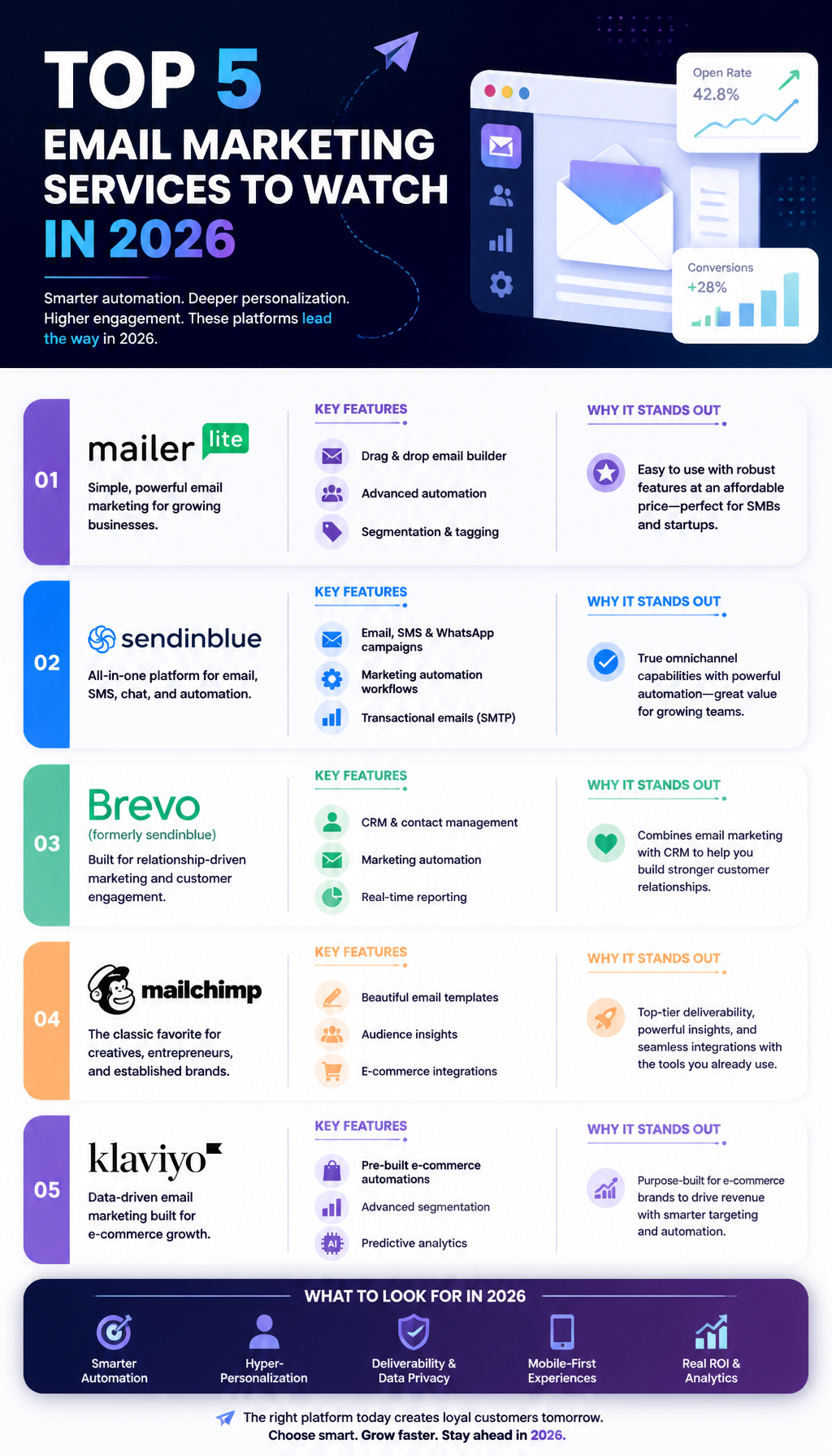
    If you want a quick gut-check:

    • Watch revenue per recipient by segment.
    • Track how many subscribers become buyers within 30 days of joining.
    • Prune or sunset people who haven’t engaged in 90–180 days (depending on your volume).

    Email Marketing Salary Trends in 2026

    As email marketing continues to grow, so do career opportunities in this field.

    • The average salary for an Email Marketing Specialist is around $81,225 annually, with entry-level positions starting at $40K and experienced roles reaching upwards of $220K for senior positions (EverestX).
    • Email marketing managers can expect even higher average salaries, reflecting the increasing demand and the strategic importance of email marketing roles in organizations today.
  • 10 Email Marketing Tips for 2026 Success

    10 Email Marketing Tips for 2026 Success

    Discover 10 essential tips for successful email marketing in 2026. Learn how to enhance engagement and boost conversions today!

    Featured image for 10 Essential Email Marketing Tips for 2026 Success

    10 Essential Email Marketing Tips for Success in 2026

    digital marketing

    Email marketing still prints money in 2026—if you treat it like a system, not a one-off campaign. The common thread behind the tips below: relevance (to the reader) and reliability (for inbox placement).

    1. Focus on Personalization

    Personalization isn’t just sprinkling in a first name. It’s matching message, timing, and offer to what someone actually did (or didn’t do) and what they’re likely to need next.

    Emails that are personalized can see significantly higher open and click-through rates. According to recent statistics, personalized email campaigns generate 6x higher transaction rates than non-personalized ones (Digital Applied). That lines up with what I see in real accounts: when the email feels “meant for me,” people click without thinking.

    A simple way to level up fast:

    • Behavior-based recommendations: “You bought X, so here’s the accessory people usually grab next.”
    • Category interest: track what they browse and send one focused email per category, not a department-store flyer.
    • Local/context personalization: time zone, store location, seasonality.

    One mistake I’ve had to clean up more than once: a brand merges lists, maps fields incorrectly, and suddenly half the list gets “Hi ,” or the wrong product recommendations. So, before you go wild, audit your merge tags and test with real records.

    To dive deeper into personalization strategies, check out how to personalize your emails for better engagement in 2026.

    2. Segment Your Email List

    Segmentation is where “email marketing” turns into “email sales.” Instead of one message for everyone, you create a few lanes—and you stop annoying people who were never going to buy that thing.

    By segmenting your email list based on demographics, past purchases, or engagement level, you can send targeted messages that are much more relevant to the recipient. This strategy has been shown to drive 760% more revenue than non-segmented blasts (Digital Applied).

    If you’re not sure how to segment without overthinking it, start with four practical buckets:

    • New (0–14 days since signup): education + one clear “next step” offer.
    • Active (opens/clicks in last 30–60 days): your core promos and product drops.
    • At-risk (no engagement 60–120 days): lighter cadence, more “why stay” value.
    • VIP (repeat buyers/high AOV): early access, bundles, and human-sounding check-ins.

    Segmentation also protects deliverability. Since disengaged recipients drag down reputation, keeping them out of your main sends often lifts results across the board.

    3. Leverage AI for Better Performance

    AI is useful when it reduces busywork and improves decisions. It’s not magic, and it’s definitely not a license to ship bland, auto-written copy.

    Artificial Intelligence is transforming email marketing by enhancing personalization, optimizing send times, and automating responses. Tools that utilize AI can help you create effective subject lines and improve your email content. Leveraging AI can lead to a 26% increase in open rates compared to traditional methods (Digital Applied).

    Where I’d use AI in 2026:

    • Subject line and preheader variations: generate 10, pick 3, then A/B test.
    • Send-time optimization: especially for global lists where “9am” means nothing.
    • Routing + tagging: auto-label intent (pricing-page clickers, webinar watchers).

    Where I’m cautious:

    • Fully AI-written “brand voice”. It often reads like warmed-over oatmeal, and people feel that.

    If you want the bigger picture, this piece on AI email transformation is a solid jump-off.

    4. Monitor Performance Metrics

    Open rate is increasingly fuzzy, so you need a broader dashboard that ties back to real outcomes.

    In 2026, traditional metrics like open rates are losing relevance. Instead, focus on metrics such as inbox placement rates, click-through rates, and revenue per recipient. Understanding these metrics provides a clearer view of your campaign’s effectiveness and guides necessary adjustments.

    Here’s what I actually look at when diagnosing a struggling program:

    • Inbox placement rate: if this drops, nothing else matters.
    • Click-to-open rate (CTOR): tells you if the content matches the promise.
    • Revenue per recipient: keeps you honest, especially during promo-heavy months.
    • Unsub + complaint rate by segment: often the “problem” is one segment getting the wrong email.

    A quick mini-story: I once saw a team celebrate a high open rate spike—then refunds spiked too. The subject line overpromised, the landing page underdelivered, and support got crushed. So, track revenue and downstream pain.

    5. Prioritize Mobile Email Optimization

    Mobile optimization is not optional; it’s the default state of email consumption now.

    With approximately 60% of emails being opened on mobile devices, ensuring that your emails are mobile-friendly is essential (Digital Applied).

    Practical mobile rules I follow:

    • Single-column layout and generous line spacing.
    • One primary CTA above the fold (two max, if you must).
    • Big tap targets (thumb-friendly buttons, not tiny text links).
    • Shorter subject lines: many phones cut after ~35–45 characters.

    Also, test on a real device. I’ve seen “responsive” templates that technically shrink, yet the CTA ends up below three screens of text. On desktop it looked beautiful; on an iPhone it died.

    6. Invest in Quality Content

    If your emails are all promos, you’re training people to ignore you until there’s a discount. So, mix value and selling on purpose.

    Your content should provide value to your audience. Whether you are sharing tips, promotional offers, or news, ensure that it is relevant and engaging. High-quality content fosters customer loyalty and encourages subscribers to stay engaged with your emails.

    A few content formats that consistently earn clicks:

    • “One problem, one fix” emails: quick wins convert.
    • Behind-the-scenes: how the product is made, why you changed a feature, what’s coming.
    • Customer examples: a short story + what they did + the result (keep it believable).

    For instance, a well-written newsletter can keep your audience informed and interested in your brand, driving repeat visits to your site. For more on content strategies, explore the top content generation strategies for 2026.

    7. Implement Lifecycle Marketing

    Lifecycle marketing is how you stop relying on constant promotions. You set up emails that show up at the right moments, then you refine them over time.

    Lifecycle marketing involves sending timely emails based on consumer interactions and milestones. For example, welcome emails, anniversary promotions, and re-engagement campaigns can significantly boost customer retention.

    A lifecycle setup I like for most small businesses:

    • Welcome series (3–5 emails): set expectations, tell your “why,” then make a focused offer.
    • Post-purchase series: how to use it, how to avoid common mistakes, and what to buy next.
    • Browse/cart abandon: keep it short, add friction-reducers (shipping, returns, sizing).
    • Reactivation: one “we miss you,” then a preference center or a clean unsubscribe.

    This approach ensures that your communications are timely and relevant, enhancing customer experience. Also, it makes your weekly calendar less chaotic because revenue isn’t only coming from “whatever we send on Friday.”

    8. Be Compliant with Privacy Regulations

    Compliance is boring until it isn’t—then it’s expensive and stressful.

    As privacy laws become more stringent, ensuring compliance is paramount. This includes obtaining explicit consent before sending emails and providing easy opt-out options. Failure to comply can lead to damaging consequences for your brand’s reputation. Familiarize yourself with regulations such as GDPR and CAN-SPAM to stay compliant.

    Two practical habits that save headaches:

    • Keep proof of consent (source, timestamp, form version). You’ll thank yourself later.
    • Use double opt-in when list quality matters more than list size (it usually does).

    And don’t hide the unsubscribe. Besides being required, a clean opt-out is better than spam complaints—which can damage inboxing for everyone.

    9. Optimize Sending Times

    Sending time is a lever, but it’s not the lever. Relevance beats timing almost every time.

    Understanding when your audience is most likely to engage with your emails can improve your open rates. Experiment with different sending times and analyze which times yield the best results. Tools that provide insights into user behavior can help determine optimal sending windows.

    How I’d test this without making it a science project:

    • Pick two time windows (for example, Tue 10am vs Thu 3pm).
    • Run the test for at least 4–6 sends, because one email is noise.
    • Measure clicks and revenue per recipient, not just opens.

    If you sell B2B, mornings often work because people triage email early. If you’re ecom, evenings and weekends can surprise you—especially for hobby or lifestyle products. But again, it depends on your audience, so test and keep receipts.

    10. Utilize Email Marketing Tools

    Good tools won’t fix a bad strategy, but they absolutely make a good strategy easier to execute.

    To maximize your email marketing success, using reliable tools is essential. Platforms that offer automation, analytics, and A/B testing options help streamline your campaigns. Check out the best email marketing tools of 2026 to find the right fit for your business.

    When I’m evaluating a platform, I look for:

    • Automation builder that doesn’t feel like wiring a spaceship.
    • Deliverability controls (domain authentication prompts, suppression lists).
    • Segmentation that’s actually usable (behavior + purchase + engagement).
    • A/B testing that supports more than subject lines.

    If you’re still shopping, compare options in top email marketing platforms for 2026, and then sanity-check features in this email marketing platforms comparison. I also keep this shortlist bookmarked: top email marketing platforms 2026.


    Understanding Email Marketing: Types, Costs, and Careers

    If you understand the “why” behind each email type—and what it costs to run the channel—you’ll make better decisions than someone chasing random tactics.

    What Are the 4 Types of Email Marketing?

    1. Newsletter Emails: Regular updates that offer valuable content to subscribers, maintaining engagement.

    A newsletter works best when it has a repeatable structure. For example: one insight, one link, one offer. Since consistency matters, I’d rather see a monthly newsletter shipped on time than a weekly one that collapses after three weeks.

    1. Promotional Emails: Emails aimed at driving sales through special offers, discounts, or events.

    Promos aren’t the enemy. The problem is constant promos with no differentiation. So, rotate angles—new arrivals, bundles, limited inventory, seasonal use-cases—then keep the CTA obvious.

    1. Transactional Emails: Automated emails triggered by specific actions, such as purchase confirmations or shipping notifications.

    These get insane engagement, which means they’re a great place to add helpful info: setup instructions, support links, referral prompts, and a soft cross-sell that doesn’t derail the main purpose.

    1. Lifecycle Emails: Emails tailored to specific stages in the customer journey, enhancing engagement based on user behavior.

    Lifecycle is where strategy lives. It’s also where you can support a bigger plan, like a winning digital marketing strategy for 2026—email should amplify the rest of your marketing, not operate on an island.

    How Much Is a 1000 Email List Worth?

    The value of your email list can vary based on your industry and how effectively you engage with subscribers. On average, an email subscriber is worth approximately $36 to $42 per dollar spent on email marketing (Digital Applied). This means a list of 1,000 engaged subscribers could potentially generate significant revenue.

    The key word is engaged. A list of 1,000 people who never open is basically dead weight (and can even hurt deliverability). Meanwhile, 1,000 buyers who opted in at checkout can outperform a bigger list of giveaway entrants.

    If you want a quick gut-check:

    • Watch revenue per recipient by segment.
    • Track how many subscribers become buyers within 30 days of joining.
    • Prune or sunset people who haven’t engaged in 90–180 days (depending on your volume).

    Email Marketing Salary Trends in 2026

    As email marketing continues to grow, so do career opportunities in this field.

    • The average salary for an Email Marketing Specialist is around $81,225 annually, with entry-level positions starting at $40K and experienced roles reaching upwards of $220K for senior positions (EverestX).
    • Email marketing managers can expect even higher average salaries, reflecting the increasing demand and the strategic importance of email marketing roles in organizations today.
  • Top Email Marketing Services for 2026

    Top Email Marketing Services for 2026

    Discover the top 5 email marketing services to watch in 2026. Explore features, pricing, and benefits tailored for small businesses and marketers.

    Featured image for Top 5 Email Marketing Services to Watch in 2026

    Top Free Email Marketing Services

    Free email marketing services are only “free” if they don’t cost you deliverability, time, or lost sales. So I’m going to be picky here.

    Before we get into the tools, here’s the quick reality check I use: if your plan has a daily send cap, you need to know your list size and your typical cadence—or you’ll hit the ceiling mid-launch.

    Email marketing services comparison dashboard screenshot

    1. Kit

    Kit stands out as one of the top free email marketing services, particularly tailored for digital content creators. This platform offers generous features, allowing users to manage up to 10,000 subscribers with unlimited emails. Kit’s simplicity and effective automation tools make it ideal for bloggers and newsletter creators focusing on audience engagement (BigMailer).

    Where Kit fits best

    If you sell digital products, run a newsletter, or build a personal brand, Kit’s model makes sense. You can tag people based on what they clicked, then send a short sequence that feels personal without being creepy.

    I’ve used Kit-style tagging to separate “readers” from “buyers.” That tiny split matters because buyers don’t need 12 paragraphs of context—they need the next offer and a reason to care.

    A practical setup (15 minutes)

    1. Create a single lead magnet form (don’t build five forms yet).
    2. Tag the signup source (e.g., “Homepage,” “YouTube,” “Webinar”).
    3. Build a 5–7 email welcome sequence.
    4. Add one automation rule: if someone clicks your core offer, tag them “Interested: Offer.”
    5. Send broadcasts only to people who’ve opened something in the last 60–90 days.

    That last step keeps you out of trouble later, since dead subscribers quietly drag deliverability down.

    Pros:
    – Unlimited emails
    – Ideal for digital product sales
    – Easy-to-use interface

    Cons:
    – Limited advanced analytics compared to paid options

    2. Brevo (formerly Sendinblue)

    Brevo offers a robust free tier allowing up to 300 emails per day, making it suitable for businesses just starting out. This service includes key features such as email automation and segmentation, which are crucial for targeted campaigns. Users can also benefit from SMS marketing features, providing a multi-channel approach to customer engagement (EmailToolTester).

    What I like about Brevo

    The daily cap sounds annoying, but it’s actually a good forcing function. It pushes you toward segmentation instead of blasting everyone.

    I’ve seen small shops send to their whole list weekly, then wonder why open rates fall off a cliff. With Brevo, you’re more likely to send to “recent buyers,” “VIP,” or “clicked in the last 30 days,” which is healthier anyway.

    How to work around the 300/day cap

    • Split a big campaign into 3–5 segments.
    • Schedule sends across multiple days.
    • Prioritize: buyers first, then warm leads, then the rest.

    If you sell time-sensitive stuff (like a 24-hour promo), this cap can be a dealbreaker. But if your business is steady—appointments, subscriptions, local services—Brevo’s free tier goes surprisingly far.

    Pros:
    – Comprehensive automation tools
    – SMS marketing integration
    – Strong customer support

    Cons:
    – Daily sending limit may restrict larger campaigns

    3. Mailchimp

    Mailchimp remains a favorite for many small businesses, particularly due to its user-friendly platform and vast integration capabilities. Its free plan allows businesses to manage up to 2,000 subscribers and send 10,000 emails per month. While its features are somewhat limited compared to paid plans, it still provides enough functionality for budding entrepreneurs to build effective email marketing campaigns (Technical Wall).

    Where Mailchimp still shines

    If you’re juggling a website builder, a booking tool, maybe a POS system, Mailchimp’s integrations are often the path of least resistance. That matters because “it talks to my other tools” beats “it has 40 automation blocks I’ll never use.”

    Common Mailchimp mistake I keep seeing

    People obsess over templates, then skip list hygiene. The prettiest email on earth still fails if:

    • you imported old contacts who didn’t opt in,
    • you never cleaned bounces,
    • you keep sending to people who haven’t opened in 12 months.

    So, if you’re using Mailchimp, do the boring thing: create a segment for “no opens in 90 days” and stop sending them regular campaigns. Run a re-engagement first, then sunset them.

    Pros:
    – User-friendly interface
    – Extensive integration options
    – Suitable for creating newsletters and promotions

    Cons:
    – Limited automation under the free plan

    4. EmailOctopus

    EmailOctopus is an easy-to-use platform that is perfect for small businesses and freelancers. Their free tier allows users to manage up to 2,500 subscribers and send 10,000 emails per month. The platform focuses heavily on user experience, making it straightforward to navigate and implement email campaigns quickly (Sender).

    Why I recommend EmailOctopus to “non-marketers”

    Some business owners don’t want a marketing suite. They want “send a newsletter, automate a welcome email, done.” EmailOctopus is often a calmer experience than the big platforms.

    A lightweight workflow that works

    • Welcome email (deliver the lead magnet, set expectations)
    • “Top 3 resources” email (your best links)
    • One offer email (what you sell, who it’s for)
    • Monthly newsletter (updates + one CTA)

    You don’t need a 22-email funnel to get results. In fact, I’ve seen smaller lists respond better to fewer, clearer emails.

    Pros:
    – Simple user experience
    – Allows for custom templates
    – Great for small mailing lists

    Cons:
    – Fewer advanced features compared to competitors

    5. Sender

    Sender shines in providing a free email marketing service that supports up to 2,500 subscribers with the ability to send 15,000 emails per month. Notably, it features automation workflows and customizable templates that can cater to various business needs (Technical Wall).

    When Sender is the right call

    If you’re cost-sensitive but you still want automation, Sender can be a solid starting point. The “send volume” is generous enough that you can run weekly broadcasts plus a welcome sequence without immediately upgrading.

    A simple automation that pays off fast

    Set up a post-purchase (or post-signup) flow that:

    1. Confirms the action (receipt / welcome).
    2. Answers the top 3 questions your customers ask.
    3. Shows social proof (short testimonials).
    4. Makes a small upsell or booking offer.

    That sequence is boring, yes. It’s also one of the highest ROI things you can do, because it hits people when they’re paying attention.

    Pros:
    – Generous email limits
    – Automation capabilities
    – Easy-to-use design tools

    Cons:
    – Limited support for advanced analytics

    Top Email Marketing Platforms of 2026

    Once you outgrow free tiers, the “best” platform becomes the one that matches your sales motion. A creator selling courses needs different plumbing than an e-commerce store with 5,000 SKUs.

    If you want a deeper side-by-side, I’ve also cross-referenced features in this Email Marketing Platforms Comparison 2026 guide.

    1. ActiveCampaign

    ActiveCampaign has earned a reputation for its comprehensive automation capabilities and deep segmentation options. Their platform is ideal for businesses of all sizes, providing solutions that cater to both B2B and B2C marketing strategies. The platform offers personalized customer experiences through advanced analytics and reporting, which allows marketers to refine their campaigns based on user behavior.

    Key Features:
    – Advanced automation workflows
    – Machine learning insights
    – Comprehensive reporting tools

    Where ActiveCampaign earns its price

    It’s the “if this, then that” king. You can route leads based on behavior, sales stage, deal value—whatever matters to your business.

    I’ve seen it rescue messy pipelines when a team stops relying on “someone will remember to follow up” and starts letting automation handle the boring steps.

    A real-world automation map (B2B services)

    • Download lead magnet → tag “Lead: Topic A”
    • Visit pricing page twice → notify sales / create deal
    • No reply after 3 days → send a “quick question” email
    • Book a call → stop promo emails, start prep sequence

    That’s not fancy. It’s just consistent, and consistency prints money.

    2. Klaviyo

    Klaviyo is particularly effective for e-commerce businesses, offering seamless integrations with platforms like Shopify. It allows for highly personalized emails based on user behavior and purchasing history, making it a powerful tool for driving sales. Klaviyo’s features are designed to maximize the marketing potential of online retail businesses by leveraging customer data for targeted campaigns (PCMag).

    Key Features:
    – Real-time data sync
    – Deep segmentation capabilities
    – Robust A/B testing options

    How I’d use Klaviyo for a store

    Start with the unsexy flows first:

    • Welcome series
    • Abandoned checkout
    • Post-purchase education
    • Winback for lapsed buyers

    Only after those are stable do I bother with weekly campaigns and fancy segmentation.

    Also, I’d rather send fewer emails with better targeting than blast daily. If your list is small, daily sends can burn it out fast.

    3. MailerLite

    MailerLite is known for its simplicity and user-friendly interface, making it a great choice for small businesses or those new to email marketing. Their platform offers a free plan that includes many features, allowing users to create beautiful emails and landing pages with ease. MailerLite focuses on providing essential tools without overwhelming users with excessive complexity.

    Key Features:
    – Drag-and-drop editor
    – Landing page builder
    – Excellent customer support

    What to watch with MailerLite

    Landing pages are convenient, but they can become a mess if you don’t standardize naming. I’ve inherited accounts where every page is called “Newsletter signup (new) FINAL2,” and nobody knows what’s connected to what.

    So, pick a naming rule early:

    • LP – Lead magnet – Month Year
    • Form – Sitewide – Header
    • Automation – Welcome – Lead magnet name

    It sounds obsessive, but six months from now you’ll thank yourself.

    4. Moosend

    Moosend is an affordable email marketing service that excels in automation and offers a wide range of templates to enhance campaigns. Its features cater to various marketing strategies, making it suitable for both beginners and experienced marketers. The platform also prides itself on providing a high deliverability rate, ensuring emails reach the intended audience.

    Key Features:
    – High deliverability rates
    – Versatile design options
    – Automation features

    A deliverability note (because it bites people)

    High deliverability claims don’t save you if you keep emailing cold lists. I’ve watched brands get their domain reputation wrecked after importing “old customers from 2019” and blasting them.

    If you’re moving to any new platform, warm up the list:

    • Start with engaged subscribers (opened in last 30–60 days)
    • Send smaller batches
    • Scale volume gradually over 2–4 weeks

    5. Brevo (formerly Sendinblue)

    Brevo not only provides email marketing services but also incorporates SMS marketing, making it a versatile option for businesses looking to engage customers through multiple channels. The platform’s free plan includes many features, and its premium plans offer additional functionalities that can adapt to a growing business (Venture Harbour).

    Key Features:
    – SMS marketing integration
    – Cost-effective pricing structure
    – Comprehensive analytics

    When multi-channel actually matters

    If you run appointments, local services, or time-sensitive promos, SMS can be the difference between “they saw it later” and “they showed up.”

    That said, don’t spam people. Tie SMS to real triggers—booking confirmations, delivery updates, last-day reminders.

    For more platform picks (and some tradeoffs), this companion post—Top Email Marketing Platforms 2026—is worth skimming.

    Best Email Marketing Services for Small Businesses

    Most small businesses don’t need the “best” tool. You need the tool you’ll actually use every week, with automations you can understand without a certification.

    If you’re choosing right now, here’s how I’d decide, plus a real example of what it looks like when it goes well.

    1. Mailchimp

    Mailchimp remains a top choice for small business owners due to its ease of use and robust feature set. It offers a structured approach to email marketing with powerful automation, detailed analytics, and a range of templates that can cater to various business needs.

    Best for: local businesses, solo operators, and shops that need integrations more than complex logic.

    How I’d set it up for a small business (step-by-step)

    1. Create one audience (don’t split audiences unless you truly need it).
    2. Add two tags: “Lead” and “Customer.” Keep it simple.
    3. Build a welcome automation: 4 emails over 10 days.
    4. Create one monthly newsletter template that’s mostly text (faster, and it tends to land better).
    5. Track only 3 metrics at first: opens, clicks, and replies.

    Replies are underrated. When people hit “reply,” you learn what they want, and your sending reputation tends to benefit because it looks like real conversation.

    2. Brevo

    Brevo’s versatility in email and SMS marketing makes it a powerful tool. Its free plan is generous, while the paid versions offer advanced features that can help small businesses scale their marketing efforts effectively.

    Best for: appointment-based businesses (salons, clinics, home services) and anyone who can use SMS responsibly.

    A workflow that fits service businesses

    • New lead downloads coupon → email welcome
    • No booking within 48 hours → SMS reminder (one message, not a trilogy)
    • Booking confirmed → email prep checklist
    • After appointment → review request + referral offer

    That’s a tight loop. It drives bookings without turning into a spam cannon.

    3. ActiveCampaign

    ActiveCampaign is another excellent platform for small businesses looking to implement more sophisticated marketing automation strategies. It provides extensive features tailored to growing businesses, making it a worthwhile investment for serious marketers.

    Best for: businesses with a pipeline (quotes, demos, sales calls) and a longer buying cycle.

    Common mistake with ActiveCampaign

    People build a gorgeous, complex automation… and forget the exit conditions. So customers keep receiving “Are you still interested?” emails after they already bought.

    Fix it by adding clear exits:

    • Purchase event → end promo automation
    • Deal moved to “Won” → stop lead nurture
    • Unsubscribe → remove from all automations

    It’s basic housekeeping, but it prevents awkward moments.

    4. AWeber

    AWeber is designed for those who prioritize newsletters, offering an intuitive interface and essential tools for creating effective email campaigns. Its straightforward features make it an excellent fit for small businesses just entering the email marketing landscape.

    Best for: newsletter-first businesses that want dependable sending and a straightforward UI.

    How I’ve seen AWeber used well

    A local fitness coach I worked with kept it simple: one weekly email, one CTA, and a monthly promotion. No overthinking.

    What made it work wasn’t the platform. It was consistency plus a clear promise: “Every Tuesday, you get one workout tip you can use today.” People stayed subscribed because they knew what they were getting.

    5. Sender

    With a focus on ease of use and strong automation features, Sender is perfect for small businesses aiming to engage customers effectively. Its free plans and scalability options make it an attractive choice for smaller operations.

    Best for: small teams that want automation on a budget.

    A real example (mistakes and the fix)

    I once helped a two-person e-commerce brand that used Sender to email their entire list every time they restocked. It “worked” for a month, and then engagement tanked.

    The mistake was obvious in hindsight: they treated first-time buyers and VIPs the same as people who signed up for a discount and never purchased.

    Here’s what we changed:

    1. Segmented the list into “Bought in last 90 days,” “Subscribed but never bought,” and “VIP: 3+ orders.”
    2. Created a VIP early-access flow (short, polite, exclusive).
    3. Moved discounts to the “never bought” segment only.
    4. Stopped emailing unengaged contacts until a reactivation campaign ran.

    Revenue per email went up even though total sends went down. That’s the point.

    If you want more ideas on tool selection, skim Best Email Marketing Tools of 2026—it’s a good reminder that “best” depends on how you sell.

    Conclusion

    Email marketing in 2026 isn’t about sending more emails. It’s about sending fewer, better emails—on a platform that doesn’t fight you every step of the way.

    If you’re small, I’d start by choosing a tool based on your constraints, not your ambitions. Daily send caps matter. Subscriber caps matter. So does whether you’ll realistically build automations, or whether you just need a clean weekly newsletter.

    Here’s the approach I’d take this week (no fluff, just steps):

    1. Pick one primary goal for the next 30 days: bookings, first purchase, or repeat purchase.
    2. Choose one platform from the free list that matches your goal and limits (Kit for creators, Brevo for multi-channel + segmentation, Mailchimp for integrations, EmailOctopus for simplicity, Sender for generous volume).
    3. Build two things only: a welcome series and a regular campaign template.
    4. Write like a human. Short sentences, clear offer, one CTA. If you want help on the copy side, I’ve laid out practical tactics in Personalize Your Emails for Better Engagement in 2026.
    5. Clean your list early. Don’t wait until you “have time.” Unengaged addresses cost you deliverability.

    One last “I’ve seen this too many times” warning:

    Don’t chase shiny AI features before you’ve nailed basics—consistent sending, segmentation, and a decent welcome flow. AI can help you brainstorm subject lines, sure, but it won’t fix a messy list or a confusing offer. If you’re curious what’s coming (and what’s mostly hype), read AI Email Transformation: The Future of Email in 2026 after you’ve got your fundamentals working.

    Next step: pick one tool, set up the welcome sequence today, and send your first real campaign this week. Momentum beats perfection.


    FAQ Section

    Q1: What is the best free email marketing service for small businesses in 2026?

    A1: The best free email marketing services for small businesses in 2026 include Kit for its unlimited emails, Brevo for its comprehensive features, and Mailchimp for its user-friendly interface. The “best” one depends on whether you’re constrained by daily sending limits (Brevo) or subscriber limits (Mailchimp).

    Q2: How do I choose the right email marketing platform?

    A2: To choose the right email marketing platform, match the tool to your sales motion. If you need deep automation and pipeline logic, ActiveCampaign is hard to beat. If you’re e-commerce and want behavior-based targeting, Klaviyo tends to fit. If you’re still validating your offer, start with a free tier and upgrade only when the limits hurt.

    Q3: Are free email marketing services effective?

    A3: Yes, free email marketing services can be effective, especially for startups and small businesses. They’re most effective when you keep your list clean, segment early, and don’t try to run enterprise-level campaigns on a beginner setup.

    Q4: Do I need to pay for email marketing?

    A4: Not necessarily. Many email marketing services offer free plans with sufficient features for small businesses. But if you rely on complex automation, advanced reporting, or you’re sending at scale, you’ll probably outgrow free sooner than you think.

    Q5: What metrics should I track for email marketing success?

    A5: Important metrics to track include open rates, click-through rates (CTR), conversion rates, bounce rates, and overall ROI from your email campaigns. Also track replies if you’re a service business—replies often correlate with real buying intent.

    If you want another roundup before you choose, this list of Top Email Marketing Platforms for 2026 covers a few extra angles.

  • Personalize Your Emails for Better Engagement in 2026

    Personalize Your Emails for Better Engagement in 2026

    Discover how to personalize your email marketing campaigns in 2026 for improved engagement and customer loyalty. Learn effective techniques and strategies.

    Featured image for How to Personalize Your Emails for Better Engagement in 2026

    How to Personalize Your Emails for Better Engagement in 2026

    Email marketing is evolving rapidly, and personalization has become a cornerstone of effective campaigns. In 2026, marketers face the challenge of making their emails stand out in crowded inboxes.

    That said, “crowded inbox” isn’t an excuse to spray-and-pray. If your emails look and sound like everyone else’s, they’ll get treated like everyone else’s—skimmed, ignored, or unsubscribed.

    Personalization is key to achieving high engagement rates, and understanding how to implement it can significantly boost your email marketing effectiveness. The trick is making it feel helpful rather than creepy, and repeatable rather than fragile.

    How to personalize your emails for better engagement in 2026—segmentation and dynamic blocks example

    Why Personalization Matters

    Personalized email marketing strategies are proven to enhance engagement and drive conversions. According to a study, personalized emails have an open rate that is 26% higher than generic emails (Campaign Monitor).

    But the real reason personalization matters is simpler: it reduces “mental load.” People don’t want more content. They want the right content.

    It’s about relevance, not tricks

    If you only take one idea from this section, take this: personalization is just relevance you can scale.

    So yes, names can help. But I’ve seen the opposite too—Hey , because the first name field is blank, or Hey {FNAME} because the merge tag broke. Those are unforced errors, and they train subscribers to distrust your email.

    What actually moves the needle is matching the email to the subscriber’s intent:

    • A new lead wants clarity and proof (what is this, why should I care).
    • A first-time buyer wants guidance (how to use it, what to do next).
    • A repeat buyer wants speed (reorder, refills, upgrades).
    • A lapsed customer wants a reason to come back (newness, incentives, timing).

    Because those intents are different, the “same” newsletter sent to all four groups usually underperforms.

    A quick example I’ve watched play out

    A couple years back, I worked with a small eCommerce brand that sold two very different product categories: everyday essentials and giftable premium items. Their weekly email blasted the full catalog to everyone.

    We didn’t redesign anything at first. Instead, we split the list into three segments:

    1. Essentials-first buyers (80%+ of purchases in essentials)
    2. Gifts-first buyers
    3. Browsers (high clicks, low purchases)

    Then we changed only two things: the hero product and the opening paragraph. Essentials got “restock” language and practical bundles. Gifts got “occasion” framing and tighter curation. Browsers got bestsellers plus a simple quiz-style CTA.

    Even with the same sending schedule, engagement lifted fast because the content finally matched why people were there.

    Common mistakes that kill trust

    Personalization backfires when it’s sloppy or overly invasive.

    • Using sensitive data for “wow”: referencing exact browsing behavior in the subject line can feel gross, even if it’s technically accurate.
    • Over-segmenting too early: 18 micro-segments sounds smart until each one has 47 people and you can’t learn anything.
    • Personalizing the wrong layer: swapping product blocks while keeping generic copy often reads like a thin veneer.

    If you’re unsure, start “boring”: segment by lifecycle stage and purchase category. Those two alone can carry a lot of weight.

    How to Personalize Your Emails for Better Engagement

    This is the part where most teams jump straight to automation. I’d rather you earn it.

    Start with segmentation and messaging, then add dynamic content, then add triggers. Each layer should make the previous one easier—not more chaotic.

    Segment Your Audience Effectively

    Segmentation is about dividing your email list into smaller, more targeted groups. You can segment based on various factors such as demographics, purchase history, and engagement level.

    For instance, sending different messages to new subscribers compared to loyal customers can dramatically improve engagement rates.

    A real-world example comes from iContact, where small businesses outsmarted corporate giants by employing targeted email segments that addressed specific customer needs (iContact). They tailored their messaging, resulting in higher open rates and conversions.

    The segmentation ladder I actually use

    If you’re stuck, run this ladder from top to bottom. Stop when you’re getting clearer results.

    1. Lifecycle: subscriber → lead → first-time customer → repeat → VIP → lapsed
    2. Engagement: active (clicked recently) vs. inactive (no opens/clicks in X days)
    3. Category affinity: what they browse/buy most
    4. Price sensitivity: full-price buyers vs. discount-driven
    5. Channel source: paid social vs. organic vs. referral (messaging differs)

    Lifecycle segmentation is the cheapest win because your data is usually reliable (signup date, purchase count). Meanwhile, “interests” can be messier unless you track it well.

    Common segmentation mistakes

    • No backstop for tiny segments: always have a fallback group (e.g., “General: Active”) so you don’t strand people.
    • Ignoring deliverability: if you keep mailing inactive subscribers forever, inbox placement can slide. Segmenting engagement helps you throttle.
    • Not documenting rules: if the team can’t explain who’s in a segment, you’ll break it later.

    Use Dynamic Content

    Dynamic content enables you to customize the content of your emails based on the recipient’s data. This can include product recommendations, tailored offers, or relevant blog posts that match their interests.

    For example, if a customer frequently buys poetry books, you can highlight new arrivals in that genre in your emails. Implementing dynamic content can lead to significant increases in engagement as it makes the email feel personally crafted for the recipient.

    A practical dynamic content setup

    When I implement dynamic blocks, I keep it tight:

    • One “smart” block per email at first (hero OR product grid OR CTA)
    • Two variants max to start (Variant A / Variant B)
    • A default version that’s safe for everyone

    Why? Because dynamic content can quietly break. If you launch five conditional blocks at once, you won’t know which one caused the weird dip in clicks.

    Also, preview it like you mean it. I’ll usually create 6–10 test contacts that represent real states (VIP, lapsed, no-first-name, no-purchase) and run inbox previews before I trust the send.

    Tailor Subject Lines and Preheaders

    The subject line is the first thing your subscribers see, and a personalized subject line can significantly improve your open rates. Using data such as previous interactions or preferences can help you craft these.

    For instance, instead of a generic subject like “New Arrivals,” you could say, “[Name], Your Favorite Authors Have New Books Out!” This kind of attention can drastically change how your emails perform.

    My subject line rules (learned the hard way)

    • Personalize with context, not flattery: “Back in stock: the size you wanted” beats “Hey Sarah!” most days.
    • Write the preheader as sentence #2: don’t waste it on “View in browser.”
    • Avoid brittle merge tags unless you’ve validated the data (and you have a default).

    A small trick that helps: write 10 subject lines, then delete the five that sound like marketing. What’s left is usually closer to human.

    Optimize Send Frequency

    Finding the right time and frequency to send your emails is critical. Over-saturating your audience with emails can lead to unsubscribes, while too few can make your audience forget you.

    Use analytics to find the sweet spot. You might discover that your audience responds better to weekend emails rather than weekdays or that certain times yield higher open rates.

    Frequency isn’t one-size-fits-all

    Here’s what I do instead of guessing:

    1. Pick a baseline (say, 1–2 sends/week).
    2. Split by engagement: active subscribers can handle more; inactive should get less.
    3. Watch complaints and unsubscribes alongside opens/clicks.
    4. Throttle promotions: if you run heavy discounts, build “quiet weeks” on purpose.

    One thing people miss: frequency problems often come from content sameness, not volume. If every email is “20% off,” even one per week can feel like spam.

    Implement Behavioral Triggered Emails

    Behavioral triggers allow you to send emails based on specific actions a user takes, such as abandoning a cart or signing up for a newsletter.

    For example, if a customer adds items to their cart but doesn’t complete the purchase, sending a reminder email can prompt them back to your site. This technique can boost email ROI and is particularly effective for eCommerce businesses.

    A step-by-step trigger plan you can ship this month

    If you’re starting from scratch, ship these in this order:

    1. Welcome series (2–4 emails)
    2. Email 1: set expectations + best content/product
    3. Email 2: social proof + FAQs
    4. Email 3: personalization ask (preferences) or starter guide
    5. Browse abandon (1–2 emails)
    6. “Still looking?” with category-based recommendations
    7. Cart abandon (2–3 emails)
    8. Reminder → objections (shipping/returns) → urgency (light)
    9. Post-purchase (2–5 emails)
    10. How to use → care tips → cross-sell that makes sense
    11. Winback (2–3 emails)
    12. New arrivals → incentive (optional) → last call

    Keep the copy specific. “Complete your purchase” is generic; “Your cart’s ready—shipping is free over $50” is useful.

    Mistakes I see constantly in triggers

    • Sending a cart email to someone who already bought (bad event timing, slow sync)
    • Discounting too fast so people learn to abandon carts on purpose
    • Stacking triggers so a subscriber gets welcome + browse + promo on the same day

    If your tool allows it, add a simple rule: “max 1 automated email per 24 hours” unless it’s transactional.

    Analyze and Improve

    The beauty of email marketing lies in the metrics. Make it a habit to analyze your email performance regularly.

    Track metrics such as open rates, click-through rates, and conversions to understand what’s working and what’s not. Utilize this data to refine your strategies continually.

    For instance, if you notice a drop in engagement after a specific change, be prepared to adjust your tactics accordingly.

    What I measure (and what I ignore)

    I care about:

    • Clicks per delivered (not just CTR on opens)
    • Revenue per recipient for promos
    • Conversion rate from click (landing pages matter)
    • Unsubscribes + spam complaints by segment

    I’m careful with:

    • Open rate as a “win” metric. It’s still directional, but it’s not the whole story.

    And I always annotate the timeline. When results change, you want to know whether it was a subject line test, a list growth spike, a deliverability issue, or a new offer.

    Starting with Email Marketing

    For those new to email marketing, starting with a solid foundation is critical. Consider enrolling in an email marketing course that covers the basics of email marketing, including list building, content creation, and analytics.

    But before you buy anything, build one working loop: collect emails → send something valuable → learn from the data → repeat. Tools and templates don’t rescue a shaky loop.

    Your first 30 days (a real starter plan)

    If I were mentoring a beginner, here’s the month plan I’d hand them:

    Week 1: Get the boring stuff right
    – Set up a sending domain (or at least authenticate properly in your platform).
    – Create one clean list and one suppression list.
    – Write down your “from name” and stick with it.

    Week 2: Build your core emails
    – One newsletter template (simple, scannable).
    – A 2-email welcome series.
    – One promo email layout you can reuse.

    Week 3: Add one personalization lever
    – Collect a preference (category, use case, or role).
    – Segment based on that single preference.

    Week 4: Run one test
    – A/B test a subject line OR CTA.
    – Pick a winner, then document it.

    That’s enough to start compounding.

    Utilizing Email Marketing Tools

    With so many tools available, selecting the right one can enhance your email marketing efforts significantly.

    If you’re shopping around, I’d start by scanning the best email marketing tools of 2026 and then narrowing based on what you actually need: segmentation depth, automation builder, reporting, and how painful (or painless) integrations are.

    What I look for in a tool (so I don’t regret it later)

    • Event tracking that’s trustworthy (purchase, browse, cart, form submit)
    • Automation with guardrails (frequency caps, exclusions)
    • Decent QA (previews by segment/state)
    • Migration support if you’re moving from another platform

    Common mistake: teams buy the tool with the fanciest automation builder, then never fix the data feeding it. Personalization doesn’t work if “product viewed” fires randomly.

    Emphasizing Compliance and Best Practices

    As you delve into email marketing, maintaining compliance with regulations like GDPR and CAN-SPAM is crucial.

    Ensure that you’re obtaining consent from users before sending them emails and that you provide them with a clear option to unsubscribe.

    Respecting your subscribers’ choices fosters trust and long-term relationships.

    A practical compliance habit

    I’m not a lawyer, so I won’t pretend to give legal advice. Still, operationally, here’s what keeps you out of trouble most of the time:

    • Use double opt-in when list quality matters more than raw growth.
    • Store signup source + timestamp.
    • Keep your unsubscribe link visible, and process it fast.

    If you ever get hit with a deliverability problem, having clean consent records makes the support conversation a lot less painful.

    Career Insights in Email Marketing

    With the rise of personalized marketing strategies, email marketing jobs are becoming increasingly relevant.

    The demand is real, but the bar has changed. Companies don’t just want “someone who can send newsletters.” They want someone who can run lifecycle programs, debug tracking, and explain performance without hand-waving.

    Email Marketing Salary Trends

    Salaries in the email marketing field vary based on experience and location but are generally competitive. According to recent data, the average email marketing manager earns between $60,000 to $85,000 annually, with experienced professionals commanding higher rates.

    For those considering a career in this field, developing skills in analytics, automation, and personalization can set you apart.

    What tends to push you toward the top of that range

    In my experience hiring and working alongside email folks, the people who get paid more usually do at least two of these well:

    • Own revenue numbers (not just “engagement”)
    • Build automations that don’t spam customers
    • Work with data (events, UTM discipline, basic SQL or at least strong reporting)
    • Understand deliverability enough to prevent fires

    If you can walk into an interview and calmly explain why clicks fell—“we changed segmentation, deliverability dipped in Gmail, and the landing page slowed down”—you’re already ahead.

    Preparing for Email Marketing Jobs

    If you’re aiming for a role in email marketing, consider undertaking specific training or certifications.

    There are numerous online courses available that focus on the nuances of email marketing, providing valuable insights that potential employers look for.

    Additionally, hands-on experience through internships or freelance projects can enhance your employability.

    A portfolio project that actually impresses

    If you don’t have professional experience yet, build a small “fake brand” lifecycle program and document it:

    1. Define two customer personas.
    2. Write a 3-email welcome series for each.
    3. Mock up segmentation rules.
    4. Create one triggered flow (cart abandon or winback).
    5. Add a measurement plan (what you’d track and why).

    Don’t just show pretty designs. Show decisions.

    A quick anecdote (the kind that happens on real teams)

    I once watched a junior marketer lose confidence because a manager kept saying, “Just personalize more.” No specifics.

    We sat down, pulled up the account, and realized the “personalization” problem was basic: half the list had no purchase data because the checkout integration was failing. The fix wasn’t copywriting—it was debugging.

    That’s the job now. You’ll write emails, sure, but you’ll also spend time making sure the inputs are real.

    Conclusion

    Personalization in email marketing is no longer optional; it’s a necessity.

    But you don’t need to boil the ocean. If you only improve three things this quarter—segmentation by lifecycle, one dynamic block, and one trigger flow—you’ll usually feel it in engagement and revenue.

    A simple next-step checklist

    If you want a clean plan for the next 2–3 weeks, do this:

    1. Audit your data fields (first name, last purchase date, category, engagement).
    2. Create 3 core segments: new subscribers, active customers, lapsed.
    3. Write one email for each that answers a different “job to be done.”
    4. Add one automation (welcome series is the safest start).
    5. Measure clicks per delivered and unsubscribes by segment.

    Then iterate. Don’t keep changing everything at once, because you won’t learn what caused what.

    Common mistakes to avoid in 2026

    • Chasing personalization gimmicks while ignoring list hygiene
    • Letting promos dominate until every email feels transactional
    • Forgetting the landing page (personalized email + generic landing page is a leaky bucket)
    • Buying a new platform before you’ve fixed your strategy

    If you’re evaluating tooling, check out Email Marketing Platforms Comparison 2026 and cross-reference it with what you actually plan to build.

    Also, if you just want a shortlist to start from, browse Top Email Marketing Platforms 2026 and Top Email Marketing Platforms for 2026—then pick the one you’ll realistically use every week.

    Personalization pays off when it’s consistent. Ship something small, make it work, and keep tightening the loop.