Discover the best affordable family cars for 2026 and tips on where to buy them. Explore options for families, parents, and car buyers.
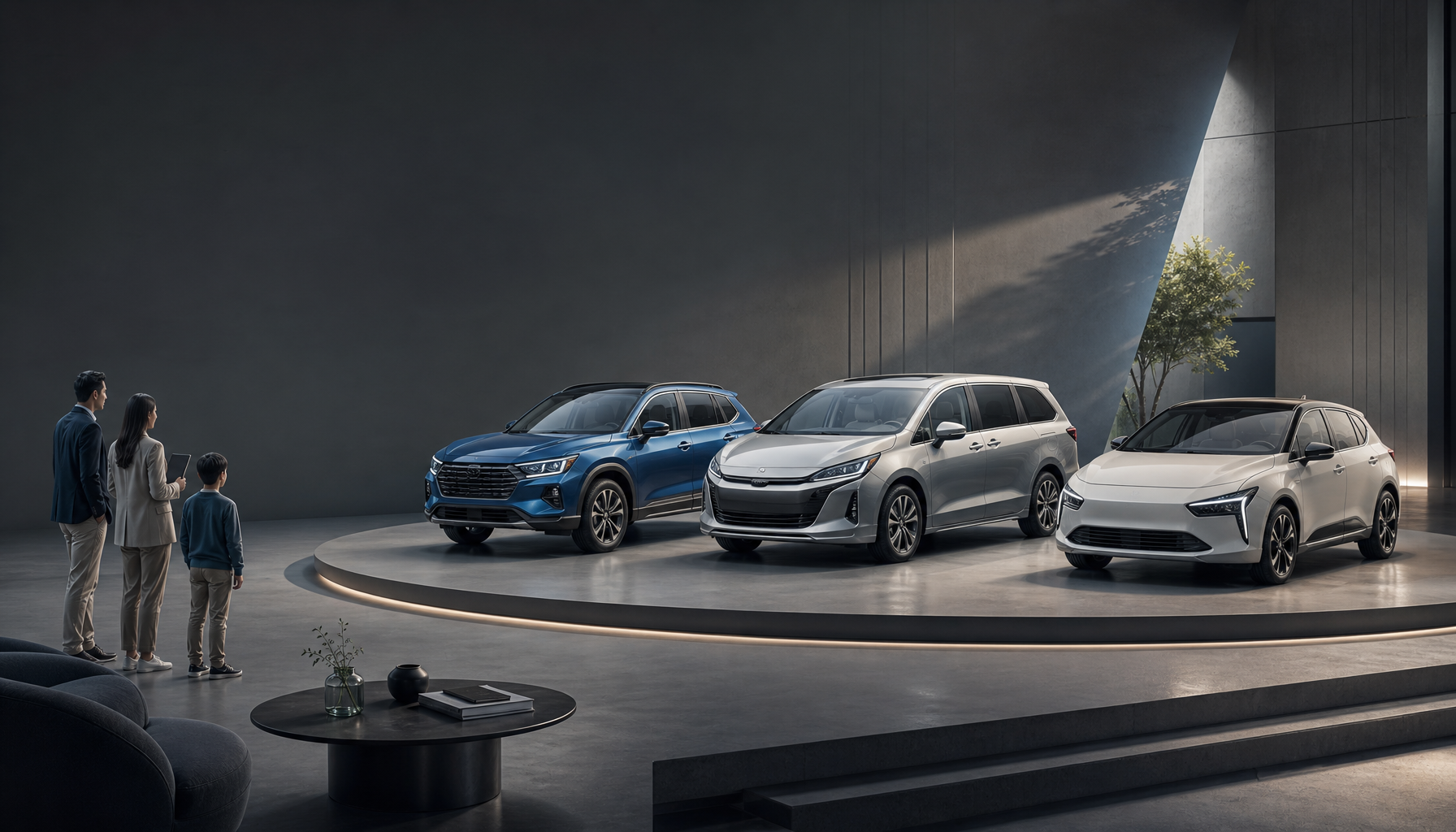
Affordable Family Cars Worth Buying in 2026
You don’t need a luxury badge to get a safe, comfortable family car in 2026. You do need a plan, though, because the market is noisy and the “great deal” listings often come with strings.
I’m going to break this into two parts: where to shop (without getting spammed into oblivion), and which vehicles are usually worth your time for the money.
Top Websites for Buying Cars Online
Online shopping is great because you can compare pricing fast, but it can also waste hours if you don’t know which sites are good at what. I’ve watched families bounce between tabs for weeks, then still show up at a dealer unprepared. That’s avoidable.
Use Cars.com for breadth
- Cars.com: This is my “big net” site. It’s useful when you’re not 100% sure what you want yet, because you can filter hard—price ceiling, mileage cap, drivetrain, third-row seating, even features like rear A/C vents (which, honestly, matter more than people admit). Dealer reviews help, but I still treat them like Yelp: one angry review isn’t a pattern, ten are.
One practical move: set two searches—your ideal budget and your real budget. Since prices swing by region, that second search keeps you from falling in love with a unicorn listing you’ll never find locally.
Use AutoTrader for comparisons
- AutoTrader: AutoTrader shines when you want to compare the same model across different sellers. That matters because families usually buy a “type” of car (compact SUV, hybrid hatch, small three-row) and then hunt for the cleanest example.
If you’re looking used, scan listing photos like you’re inspecting a rental car return. Uneven tire wear, mismatched paint, and missing floor mats aren’t deal-breakers, but they’re signals. So is a seller who posts six blurry photos and calls it a day.
Use CarGurus for pricing sanity
- CarGurus: CarGurus is where I go to sanity-check pricing. The “deal” indicators can be helpful for a quick read on whether something is overpriced relative to the market.
That said, I don’t let any single algorithm decide for me. I’ve seen “great deal” labels on cars that were priced low because they had accidents, rough interiors, or sketchy maintenance history. So yes, use the value tools—but then verify with history and an inspection.
Use Kelley Blue Book for fair value
- Kelley Blue Book: KBB is the reference point when a seller says, “This is what these go for.” It’s also handy when you’re trading in, because it gives you a baseline before a dealer tries to anchor you with a lowball offer.
One thing families forget: trim levels can change the price a lot. A base model with safety tech might be smarter than a higher trim with bigger wheels and fewer practical options. KBB helps you spot when you’re paying extra for vibes.
Quick workflow I actually use
If you want a simple process that doesn’t sprawl into a month-long project, do this:
- Pick 2–3 models that meet your space needs.
- Search all four sites above for the same models.
- Save 10–15 listings.
- Eliminate anything with unclear title/history.
- Call on the remaining 3–5 and ask direct questions (accidents, maintenance records, fees, return policy).
It’s not fancy, but it keeps you moving.
The Best Affordable Family Cars to Buy in 2026
When people ask me about affordable family cars worth buying in 2026, I push them to define “family” first. Two kids in boosters is different from three teenagers, and a dog changes everything.
Below are models that tend to work because they balance cabin space, cargo usability, and day-to-day costs.
2026 Honda CR-V: the safe bet
- 2026 Honda CR-V: The CR-V keeps winning families because it’s easy to live with. The interior packaging is smart—rear seats that don’t feel punishing, cargo space that fits real stuff, and a driving feel that doesn’t exhaust you on long trips.
Here’s what I’d check on a CR-V test drive:
- Can you load a stroller without playing trunk Tetris?
- Do the rear doors open wide enough for car-seat maneuvering?
- Is the infotainment fast enough that you won’t hate it in six months?
A quick story: a friend of mine bought a compact SUV that looked “roomy” on paper, then realized the rear door opening was tight. Every daycare drop-off became a shoulder workout. The CR-V usually avoids that kind of annoyance.
2026 Toyota RAV4: the long-haul choice
- 2026 Toyota RAV4: The RAV4’s reputation comes from durability. That matters because family cars don’t get pampered—someone spills something sticky, someone drags sports gear across the bumper, and oil changes get delayed.
The RAV4 also tends to hold value well, which helps if you plan to sell in a few years when your needs change. Even if you’re buying used, pay attention to maintenance history. A “reliable model” can still be a problem if the prior owner ignored service.
If you’re choosing between two similarly priced RAV4s, I’d rather take the one with higher miles and documented maintenance than the lower-mile car with vague history. Paper beats promises.
2026 Subaru Outback: space + bad weather confidence
- 2026 Subaru Outback: For families dealing with snow, rough roads, or lots of outdoor weekends, the Outback is a practical middle ground between SUV and wagon. The cargo area is usable, and the roofline makes it easier to load gear.
Where I’ve seen the Outback win: families who do a lot of “two-hour drive Friday night, come back Sunday” trips. It’s comfortable enough that you don’t step out feeling wrecked.
Tradeoff? You’re buying into a specific ecosystem. Some people love it. Others would rather keep things simpler with a more mainstream compact SUV.
What I’d prioritize over hype
No matter which model you pick, I’d rank these above cosmetic upgrades:
- Rear-seat comfort (not just legroom—seat shape and headroom)
- Cargo shape (wide and flat beats “tall but narrow”)
- Driver-assist that behaves (some systems are jumpy and stressful)
- Tire cost (big wheels can quietly raise your annual spend)
Families feel monthly payments immediately, but they feel tire replacements and fuel costs forever.
Best Place to Buy Used Cars Under $5,000
If your budget is truly tight, you’re shopping for condition and history, not brand prestige. At $5,000, you’re often buying an older car that needs a little love.
Families can start with the best place to buy used cars under $5,000. It’s useful for narrowing down models that have a track record of surviving high miles.
A few reality checks I’ve learned the hard way:
- Expect cosmetic flaws. Put your money into mechanical soundness.
- Budget for immediate maintenance. I’d set aside at least $500–$1,500 for tires, brakes, fluids, or a battery.
- Avoid “fresh inspection” claims unless you see paperwork and understand what was actually checked.
I once watched someone spend their entire budget on a “clean” car, then get hit with a suspension repair two weeks later. They weren’t unlucky—they just didn’t reserve any money for the first round of fixes.
Buy Car Online No Down Payment
No-down-payment offers can help families who need a vehicle now, but they can also trap you in an ugly loan. So yes, you can buy a car online with no down payment—just don’t stop your homework there.
Before you sign anything, ask these blunt questions:
- What’s the interest rate and total cost over the loan term?
- Are there mandatory add-ons (warranty, protection packages, GPS trackers)?
- Is there a prepayment penalty?
- What’s the lender’s rule on insurance coverage?
If the salesperson won’t answer clearly, that’s the answer.
One more thing: no-down-payment deals often work best when your credit is already decent. If your credit is rough, the “approval” might come with a rate that turns an affordable car into a long-term headache.
Websites to Buy Used Cars from Private Sellers
Private-party buying can be great because you sometimes get a better price and a more honest story. Sometimes. Other times, you’re buying someone else’s problem.
Facebook Marketplace and Craigslist are common starting points. I also like to ask local friends and neighbors, because “friend-of-a-friend” sales tend to have fewer surprises.
How I’d approach private sellers
I keep it simple:
- Talk on the phone first. A quick call reveals a lot.
- Ask why they’re selling and how long they’ve owned it.
- Request maintenance records before you drive out to see it.
Then, before money changes hands, verify the history. Use a trusted method to check the vehicle history report. Even if the seller seems genuine, paperwork catches what memory misses.
Also, meet in a safe place, ideally near a bank or a DMV office. If someone insists on a weird meetup or rushes you, I walk.
My Experience With This
I’m in tech, not a dealership, but the buying mistakes look identical to bad software decisions: people skip due diligence because they’re tired, then they pay for it later.
The most common family-car failure mode I’ve seen is “optimism buying.” Someone test-drives a car for 12 minutes, imagines the next five years, and ignores the warning signs because the price seems right.
I’ve done versions of this myself—just in other categories. That’s why I’m strict about a short checklist:
- Confirm title status and ownership details.
- Validate maintenance records.
- Get a pre-purchase inspection from a mechanic you choose.
That last one saves real money. A $150–$250 inspection can prevent a $2,500 surprise. I’ve watched it happen, and the math is never close.
FAQ
-
Q: What are the best websites to buy family cars online?
A: Start with Cars.com for selection, then use AutoTrader to compare similar listings, and CarGurus plus Kelley Blue Book to validate pricing. -
Q: How can I ensure I’m getting the best deal?
A: Compare the same model across multiple sites, then negotiate based on comparable listings. But also, price isn’t the whole deal—service history and inspection results matter just as much. -
Q: What should I look for in a family car in 2026?
A: Safety tech that behaves predictably, real cargo usability, rear-seat comfort, and reasonable running costs (tires, fuel, maintenance). If you’re hauling car seats, door opening width is a sneaky big deal. -
Q: Are there financing options available for online purchases?
A: Yes, including offers to buy a car online with no down payment. Still, read the loan terms carefully, because the interest rate and add-ons can change the true cost. -
Q: Can I return a car purchased online?
A: Some platforms and dealers offer return windows, but they vary a lot. Ask for the policy in writing before you commit, since “cooling-off” assumptions can backfire. -
Q: How do I check the vehicle history report?
A: Use a proper history lookup—many listings link out, or you can run it yourself. If you need a walkthrough, this guide on how to check the vehicle history report is a starting point, and then I’d still follow up with a mechanic inspection.
Leave a Reply