
Tag: 83

  • How to Build an Email List That Lasts in 2026

    How to Build an Email List That Lasts in 2026

    Build an email list that lasts in 2026 and you’re buying yourself stability—because algorithms can’t rug-pull your inbox the way they can your reach. Email still drives engagement, nurtures leads, and prints revenue for small businesses when it’s done with a little discipline.

    The money part is real: email keeps getting quoted at $36–$42 for every dollar spent. But the trick isn’t “send more newsletters.” It’s building a list that stays clean, stays engaged, and keeps converting even when your offers change.

    In this guide, I’m going to walk you through the steps that actually matter: choosing a platform you won’t outgrow, collecting addresses without being spammy, writing emails people want, and measuring the stuff that tells the truth. I’ll also cover list decay (it’s a silent killer) and the tools/resources that help when you’re doing this nights and weekends.

    If you’re brand new, follow it in order. If you’ve been emailing for a while, use it like a checklist—because most “dead lists” aren’t dead, they’re just unmanaged.

    How to Start Email Marketing

    Starting your email marketing journey involves strategic planning and execution. Here are the crucial steps to follow:

    1. Choose a Reliable Email Marketing Platform

    When it comes to email marketing, the right platform can make or break your efforts. Popular choices include Mailchimp, Constant Contact, and HubSpot. Each platform offers unique features, such as automation, analytics, and customer segmentation. Your choice should depend on your specific business needs and budget.

    Here’s how I decide in practice, because feature checklists don’t help when you’re on a deadline. First, I look at how easy it is to build forms and connect them to my site. Then I check automation depth—can I do a simple welcome series now, and a re-engagement flow later without rebuilding everything?

    Also, be honest about your “future you.” If you know you’ll want a pipeline view and sales handoff, HubSpot can be worth the complexity. If you just need solid newsletters and basic automations, Mailchimp or Constant Contact can be plenty.

    Common mistake: choosing a platform based on a pretty template gallery, then realizing you can’t segment cleanly or export data without pain. Pick the system that handles your list like an asset, not a postcard app.

    2. Define Your Target Audience

    Understanding who your emails are for is key to crafting effective campaigns. Consider demographics like age, location, interests, and purchase history. This foundational knowledge will allow you to segment your email lists effectively, ultimately leading to higher engagement and conversion rates.

    I like to write a “subscriber promise” in one sentence: Why did they give me their email, and what do they expect next? If you can’t answer that, your content will drift into random updates—and random updates get ignored.

    Then I segment early, even if it’s ugly. Start with two buckets, not ten. For example: “prospects” vs “customers,” or “service A” vs “service B.” Because once you have basic segments, you can send fewer emails that land better.

    If you’re stuck, pull up your last 20 customers and look for patterns: what they bought first, what questions they asked, what almost stopped them. Those are your email angles.

    3. Collect Email Addresses

    Building an email list begins with capturing addresses from interested individuals. Use signup forms on your website, social media channels, or during in-person events. Offering incentives—like discounts, free trials, or exclusive content—can significantly improve your signup rates. According to reports, proper list segmentation leads to 760% more revenue compared to broadcast emails (Digital Applied).

    The fastest win is tightening the “moment of signup.” Don’t just slap a form in your footer and hope. Put the form where intent is already high:

    • On your best traffic page (usually a blog post or a service page)
    • After someone completes a quiz/estimator
    • Right after purchase (with an opt-in to tips, care, onboarding, etc.)

    Step-by-step, here’s a simple setup I’ve watched work for small shops:

    1) Create one offer that solves one annoying problem (a checklist, a short guide, a discount that doesn’t destroy margin).
    2) Add a single-field form (email only). You can ask for first name later.
    3) Confirm the next step on the thank-you page (“Check your inbox—email arrives in 2 minutes”).
    4) Trigger a welcome email immediately.

    Big mistake I see: people over-incentivize and attract bargain hunters who never open again. If you sell premium, your opt-in should feel premium too.

    4. Create Engaging Content

    Once you’ve built your list, it’s time to create content that resonates. Your email campaigns should be visually appealing, informative, and actionable. Include clear calls to action and personalize the content when possible. Techniques like using AI-generated subject lines can increase open rates by 26% (Digital Applied).

    I’ll take “plain and clear” over “beautiful and ignored” most days. A simple structure keeps you consistent:

    • One punchy idea (what’s the email actually about?)
    • One short story or example (proof it matters)
    • One call to action (what should they do next?)

    Personalization doesn’t have to be creepy. Start with basics: reference what they signed up for, or use segments so the content matches their intent. And yes, subject lines matter, but don’t obsess—an okay subject line with a strong habit beats a perfect subject line you never send.

    A real-world pattern: the lists that last usually email on a schedule. Not “when we remember,” but weekly or every other week. Consistency trains attention.

    5. Analyze Your Results

    Regularly review your performance metrics to determine what’s working and what isn’t. Key indicators include open rates, click-through rates, and conversion rates. Aim for an open rate above 35%, which is considered a benchmark for successful campaigns (Wix). This will help refine your strategy over time.

    Track fewer metrics, but track them consistently. I look at:

    • Open rate (directionally useful, even with privacy changes)
    • Click-through rate (are people taking action?)
    • Reply rate (underrated—replies help deliverability)
    • Conversions (the only number your bank account believes)

    Do quick tests you can actually learn from. Change one thing at a time—subject line angle, CTA placement, offer type—then run it for 2–4 sends. If you change five things, you’ll “win” and still have no clue why.

    Email Marketing for Small Business

    For small businesses, email marketing is not just an option; it’s often a necessity. The average ROI for email marketing remains unmatched, delivering $36 to $42 for every dollar spent (Digital Applied). This statistic underscores the potential of email marketing as a cost-effective channel for promoting products and maintaining customer relationships.

    But ROI doesn’t show up automatically. It shows up when your emails do two jobs at once: they build trust and they move people toward the next step.

    If you’re a small team, set up two automations before you get fancy:

    • A welcome series (3–5 emails) that sets expectations and gets the first click
    • A post-purchase or onboarding series that reduces refunds and increases repeat buys

    I’ve seen “tiny” welcome sequences outperform big promo blasts, mostly because new subscribers are paying attention right then. So, use that window.

    Email Marketing Examples

    Real-world examples can inspire new strategies for your campaigns. Here are some notable case studies:

    • Med&Beauty achieved a 873% ROI in five months through tailored newsletters and segmentation of their email lists (GetResponse).
    • DAAG generated $139K from newsletters by leveraging compelling content and effective call-to-action buttons.

    These examples demonstrate how focusing on customer needs and preferences can lead to substantial financial gains.

    To make this less abstract, here’s an example of a “boring” weekly newsletter that works:

    • Week 1: one customer story + one product link
    • Week 2: one tip/trick + soft pitch for a related product
    • Week 3: behind-the-scenes (process, materials, how you price) + FAQ link
    • Week 4: limited offer (deadline) + 2–3 bullets of what they get

    That rotation keeps you from sounding like a megaphone. It also gives you multiple angles to learn what your list responds to.

    Building and Maintaining an Email List

    An email list is a living entity; it requires regular maintenance to thrive. Here’s how to keep it healthy:

    1. Monitor List Decay

    Email lists naturally decay over time due to factors like unsubscribes, outdated email addresses, and changes in consumer behavior. According to data, nearly 25% of your email contacts may become inactive each year (ZeroBounce). Regularly cleaning your list ensures you engage with active subscribers, improving your open and click rates.

    This is where “set it and forget it” quietly kills you. I’ve watched businesses keep emailing a list for years, then wonder why deliverability tanks. It’s often because too many inactive addresses drag down engagement signals.

    A practical routine:

    • Monthly: remove obvious bounces and role accounts that shouldn’t be there
    • Quarterly: identify subscribers who haven’t opened or clicked in 90–120 days
    • Twice a year: run a re-engagement campaign before suppressing them

    Don’t delete first—suppress first. You can always win people back later, but you can’t undelete.

    2. Keep Your Audience Engaged

    Engagement is critical for list longevity. Use tactics like personalized emails, targeted content, and regular newsletters. The more your audience engages with your emails, the less likely they are to unsubscribe. The use of segments can also help tailor your content and keep engagement high.

    If your engagement is sliding, don’t assume your list is “cold.” Usually, the cadence or the content got stale.

    Try this quick fix before you do anything drastic:

    1) Send a short “Still want this?” email with two links: “Yes, keep sending” and “No, unsubscribe.”
    2) For the “yes” clickers, ask one question (hit reply): “What are you trying to solve right now?”
    3) Use those replies to build the next 4 emails.

    Replies are gold. They tell you what to write, and they also help your inbox placement because mailbox providers see real conversations.

    3. Offer Value Beyond Sales

    Your subscribers should feel that they’re receiving value from you beyond promotional emails. Consider providing informative content, exclusive offers, or helpful tips related to your industry. For example, The Backyard offers great resources for homeowners looking to enhance their outdoor spaces, making every email a value-add.

    A simple rule: if every email asks for money, you’ll train people to ignore you until they’re ready to buy. That sounds fine—until you realize “ready to buy” might be once a year.

    So mix in utility. Send:

    • checklists people save
    • quick comparisons (“which option fits which situation”)
    • seasonal reminders
    • answers to real customer questions you keep getting

    One of the best “value” emails I ever sent was literally a three-bullet troubleshooting guide. It had a tiny CTA at the bottom, and it still drove sales because people trusted the help.

    How Much is a 1000 Email List Worth?

    The worth of a 1000 email list can vary widely but is typically valued between $10 and $100. This depends on the engagement rate and quality of contact information. Higher engagement translates to a higher list value, making it essential to maintain your email list’s health and relevance.

    That range sounds small until you do the math the right way. A list is worth what it earns—not what someone claims it’s worth on a spreadsheet.

    Here’s a grounded way to estimate it:

    • Look at the last 3 campaigns.
    • Calculate revenue per send (total revenue ÷ total recipients).
    • Multiply by how often you can email without burning people out.

    Example: 1,000 subscribers, $80 revenue per campaign, 4 campaigns a month = $320/month. That list isn’t “worth $10–$100,” it’s producing cash flow. But if 700 of those addresses never open anything, you’re paying your email platform to drag you down.

    Email Marketing Tools and Resources

    To simplify your email marketing efforts, consider leveraging tools and resources designed to enhance your campaigns:

    1. Email Marketing Courses

    There are numerous online courses available to sharpen your email marketing skills. Platforms like Coursera and Udemy offer various options tailored to beginners and advanced marketers. You can gain insights into topics like list building, campaign management, and performance analytics.

    If you’re picking a course, I’d prioritize ones that include deliverability basics and real campaign teardown examples. Theory is fine, but you need to see what a decent welcome series looks like, how often to send, and what people test.

    One tip: take a course, then immediately implement one automation. Learning without shipping turns into trivia.

    2. Email Marketing Jobs

    The demand for skilled email marketing professionals is growing. According to a report from SkillUp, companies are increasingly looking for experts who can strategize and drive customer engagement. This implies that investing in proper training and staying updated with industry trends can open up lucrative career opportunities.

    If you want to get hired, build a small portfolio even if you don’t have a “real” client yet. Create:

    • a mock welcome series (with triggers and goals)
    • two newsletters with different angles
    • a one-page metrics report explaining what you’d change next

    Hiring managers love seeing decisions. Anyone can screenshot an open rate; fewer people can explain why it happened and what they’d test next.

    3. Free Tools

    Several tools offer free versions for small businesses looking to start their email marketing journey. Platforms like Mailchimp, SendinBlue, and MailerLite provide essential tools to create, send, and analyze email campaigns without a hefty price tag. These tools often include templates, analytics, and user-friendly interfaces to ease the process for beginners.

    Free tiers are great, but watch the edges: sending limits, automation limits, and branding you can’t remove. Also, if you’re migrating later, export your list and tags regularly—because “we’ll do it later” becomes “we lost the segmentation.”

    If you’re bootstrapping, spend your effort on the offer and the welcome series first. Tools help, but the message is the multiplier.

    Conclusion

    By following the steps outlined in this guide, you’re well on your way to building an email list that not only lasts but flourishes in 2026. Remember, the key is to keep your audience engaged with valuable and relevant content. Effective email marketing can provide a direct line to your customers, increasing loyalty and driving sales. Stick with it, stay informed, and adapt as necessary, and you’ll see the rewards.

    FAQs

    • Q: How do I start email marketing?
      A: To start email marketing, choose a reliable email marketing platform, define your target audience, collect email addresses through signup forms, create engaging content, and analyze your results.

    If you want a simple “do this in order” plan, here’s the version I’d give a friend on a Saturday:

    1) Pick one platform and set up your sender name/email.
    2) Create one signup form and put it on your highest-intent page.
    3) Write a 3-email welcome series (deliver the incentive, tell your story, then offer the next step).
    4) Send one newsletter every week for four weeks.

    Common mistake: people start with a monthly newsletter because it feels safer. But monthly is so infrequent that you’re basically reintroducing yourself every send, so engagement stays low.

    • Q: How much is a 1000 email list worth?
      A: The worth of a 1000 email list can vary widely but is typically valued between $10 and $100 depending on the engagement and quality of the contact list.

    Here’s a more practical way to think about it: a 1,000-person list with 450 consistent openers and 40–60 clickers can outperform a 10,000-person list full of ghosts. I’ve seen that exact scenario after a giveaway campaign—big spike in subscribers, then terrible engagement for months.

    Step-by-step, estimate value like this:

    1) Pull revenue from your last email campaign(s).
    2) Divide by recipients to get revenue per subscriber per send.
    3) Multiply by how many sends you can do per month without complaints.

    If the number is near zero, don’t panic. It usually means your offer/cadence needs work, or you’re talking to the wrong segment.

    • Q: Is email marketing still worth it in 2026?
      A: Yes, email marketing remains a highly effective digital marketing strategy by providing direct communication with your audience and delivering a strong ROI.

    Worth it, but only if you respect the inbox. If you’re sending the same generic blast to everyone, it’ll feel “dead” fast.

    A quick real example: I watched a local service business lean too hard on social for leads. One algorithm shift later, their inbound dried up for weeks. Email didn’t fix everything overnight, but their small list (under 2,000) still booked jobs because they had a simple seasonal reminder email and an easy way to reply.

    So yeah—email is still worth it because it’s a direct line. You control the list, the schedule, and the message, which is rare now.

    • Q: How do I become an email marketer?
      A: To become an email marketer, you can start by taking online courses, gaining experience with email campaign management, and learning about analytics and customer segmentation.

    If you’re starting from scratch, don’t wait for someone to “let you” do email. Build proof:

    1) Choose a niche (ecommerce, SaaS, local services, newsletters).
    2) Create a sample welcome flow and two campaigns in a free tool.
    3) Track results if you can (even with a small side project).
    4) Learn the unsexy stuff: list hygiene, segmentation, and deliverability basics.

    Big mistake: only studying copywriting. Copy matters, but if you can’t set up a clean automation, interpret metrics, and keep a list healthy, you’ll hit a ceiling fast.
  • How to Set Up WordPress as a CMS in 2026

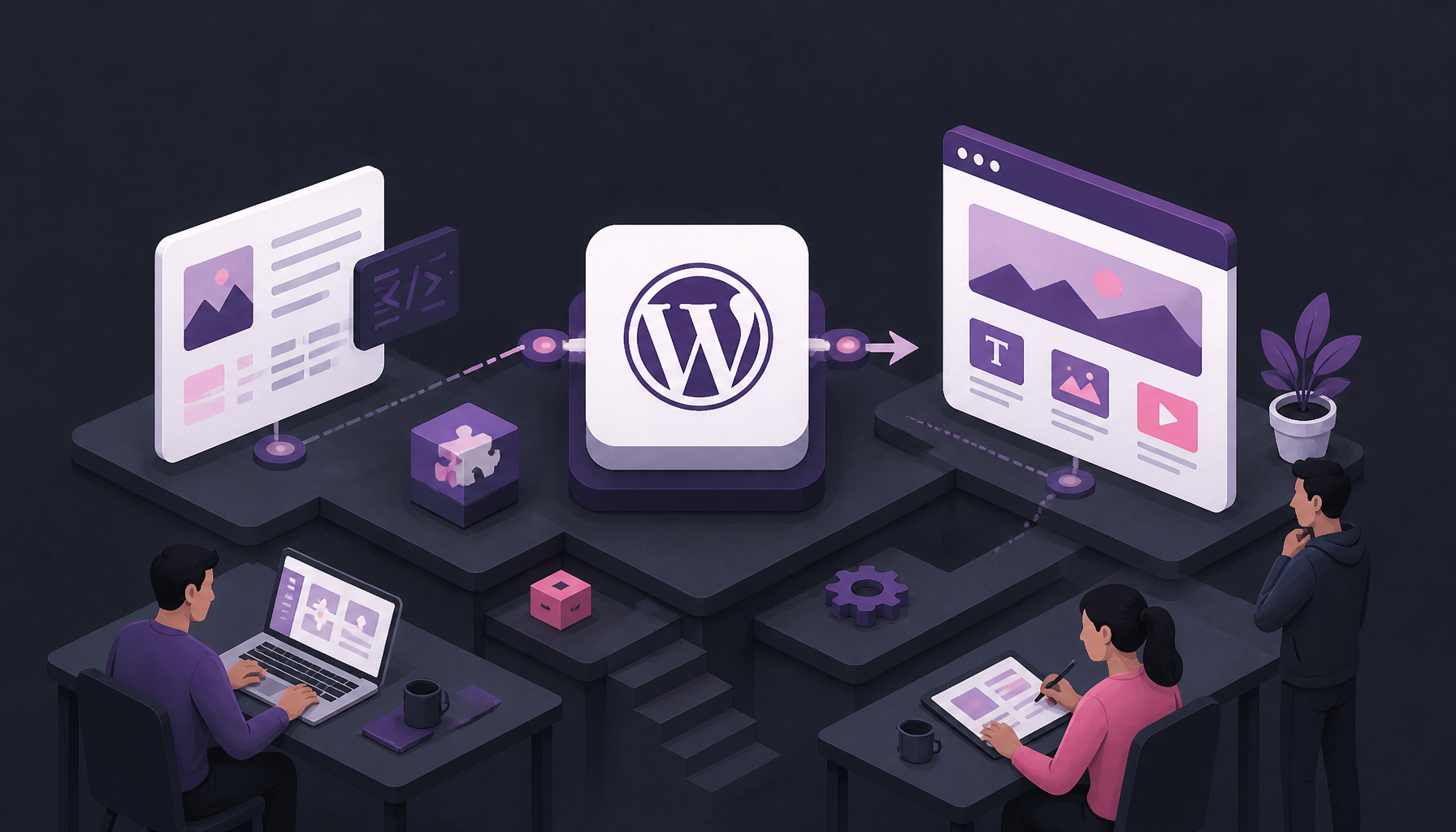
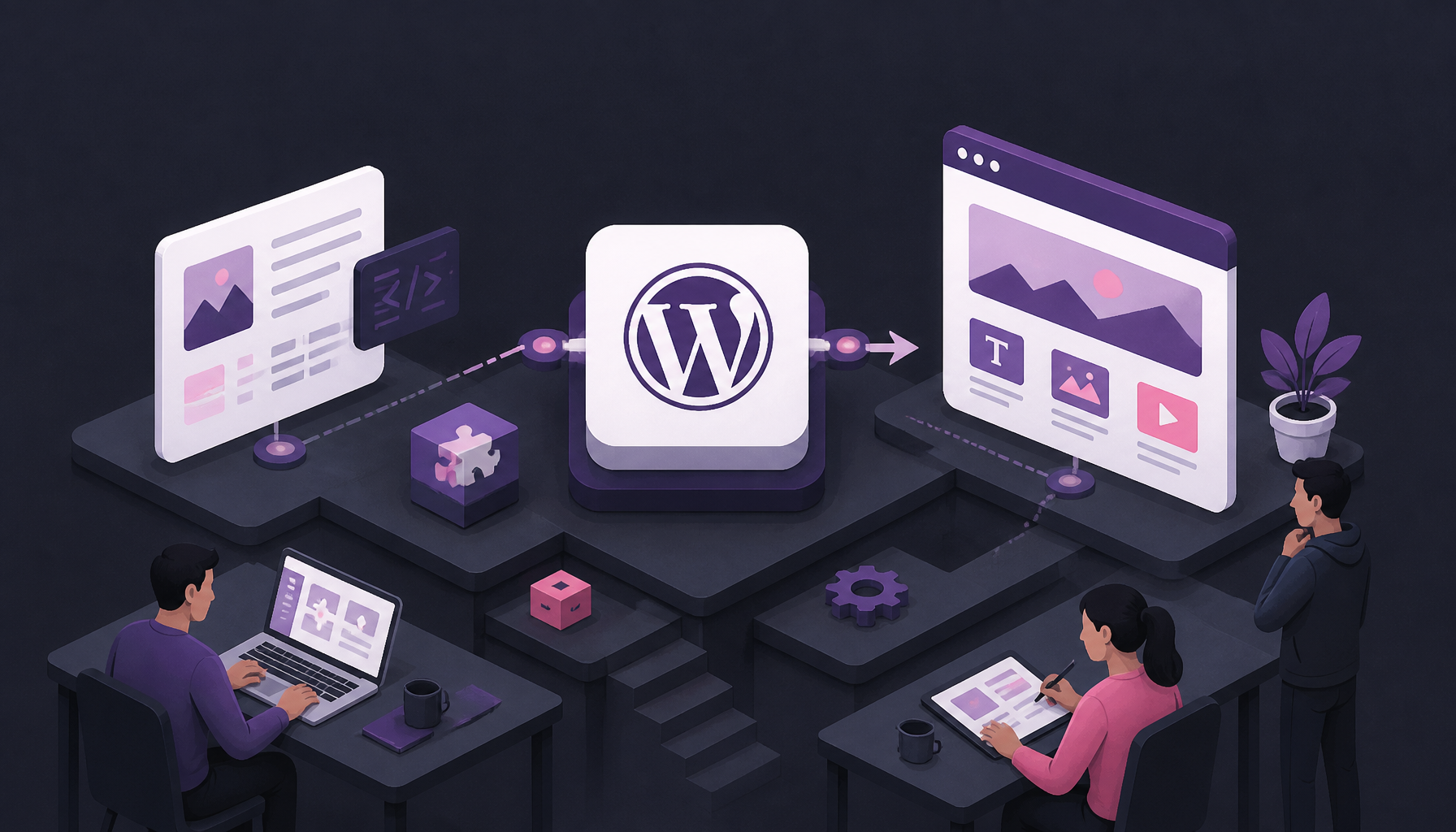
    How to Set Up WordPress as a CMS in 2026

    Learn how to effectively set up WordPress as a CMS in 2026 with this comprehensive guide. Perfect for developers and marketers alike!

    How to Integrate WordPress as a CMS in 2026

    Integrating WordPress as a CMS isn’t hard. Keeping it fast, maintainable, and predictable is the part that usually goes sideways.

    What I aim for is boring success: clear content types, minimal plugin overlap, and integrations that don’t break every time you update PHP or swap themes.

    Understanding WordPress Integration

    WordPress integration is simply connecting WordPress to other tools—CRMs, email platforms, analytics, eCommerce, internal APIs—so content and data move where they should.

    The mistake I keep seeing is teams “integrating” by stacking plugins until the admin panel looks like a junk drawer. Instead, start by writing down what must be true (lead goes to CRM, newsletter signup tags correctly, product inventory syncs daily) and then choose the simplest path.

    In fact, a study showed that WordPress powers approximately 41.2% of all websites in 2026, highlighting its widespread adoption and trust in the market (WPZOOM). That number isn’t magic, but it does explain why integrations are plentiful—and why you still have to pick carefully.

    Steps to Set Up WordPress as a CMS

    Below is the setup flow I use when I want WordPress to behave like a real CMS (not just “a blog that grew up”).

    1) Select hosting you won’t regret

    Pick hosting that matches your actual traffic and your tolerance for ops work.

    • If you want managed guardrails, providers like WP Engine can reduce footguns, but you pay for it.
    • If you want value and decent performance, SiteGround is often fine for small-to-mid sites.
    • If you’re running WooCommerce or heavy traffic, prioritize CPU/RAM and object caching support.

    Common mistake: buying the cheapest plan, then installing five performance plugins to compensate. You’ll still lose—just more slowly.

    2) Install WordPress the clean way

    One-click installers are okay, but I still like to verify the basics after install.

    • Download core from WordPress.org if you need a manual setup.
    • Set strong admin credentials (and don’t use admin as the username—still happens).
    • Confirm permalinks early (I default to “Post name”) so you don’t create URL churn later.

    If you’re doing this for a client, set up a staging site now. It saves you later when a “small plugin change” breaks the header on production.

    3) Choose a theme with restraint

    Your theme is not just design—it’s also performance and editor experience.

    I look for:

    • Clean block editor support (so editors aren’t trapped in shortcodes)
    • Accessibility basics (skip links, readable contrast)
    • Minimal bundled page-builder baggage

    If you need pixel-perfect layouts, you can still do it with blocks + a lightweight theme. But if you install a builder, commit to it—mixing builders is how content becomes uneditable.

    4) Add only essential plugins

    This is where most WordPress builds either stay healthy or become a maintenance job.

    My baseline stack usually includes:

    • SEO: Yoast SEO (fine for most sites)
    • Caching/performance: W3 Total Cache or a host-level solution (don’t double-cache)
    • Security: Wordfence (useful, but configure it—defaults aren’t a strategy)
    • eCommerce (if needed): WooCommerce

    Common mistakes I’ve personally had to unwind:

    • Two SEO plugins fighting over metadata
    • Three form plugins because “this one does popups”
    • A backup plugin writing gigs of zip files to disk until the server runs out of space

    If a plugin overlaps 70% with another, I delete one. Every extra plugin is another update cycle and another potential incident.

    5) Set up your CMS structure first

    Before you publish content, decide how you want to model it.

    • Use Pages for evergreen, hierarchical stuff (About, Contact, Services)
    • Use Posts for time-based content (blog, news)
    • Use Categories for broad grouping; Tags for cross-cutting labels (don’t treat them as the same thing)

    If you have “things” that aren’t posts—case studies, team members, podcasts—use custom post types. That’s where WordPress starts to feel like a real CMS.

    A quick rule I use: if an editor asks, “Where do I add a new one of these?” more than once, it probably deserves its own content type.

    6) Integrate third-party services deliberately

    Integrations are where you can either simplify work—or create silent data loss.

    A clean approach:

    1. List required flows (e.g., form submission → CRM → email nurture)
    2. Decide plugin vs API (plugins are faster; APIs are usually more reliable long-term)
    3. Add logging so you can tell when something fails

    For example, integrating HubSpot with WordPress can streamline marketing, but only if you standardize field mapping (name, email, lifecycle stage) and test edge cases.

    If you want a guided walkthrough, here’s a deeper internal guide: Step-by-Step Guide to WordPress and CRM Integration.

    7) Content migration without breaking SEO

    Migrations are never “copy/paste.” They’re URL strategy + redirects + media sanity.

    What I do:

    • Export content from the old system and audit slugs
    • Create a redirect map (old URL → new URL)
    • Migrate in batches, then spot-check the top 20 landing pages

    Plugins like All-in-One WP Migration can help, but don’t trust them blindly. I’ve seen image URLs migrate while the actual media files didn’t—so the site looked fine on staging and then broke on production.

    8) Test like you mean it

    Before launch, I test three layers:

    • Editor workflow: can a non-technical person publish without breaking layout?
    • Integrations: do form leads arrive? are tags correct? do webhooks fire?
    • Performance: check core pages on mobile, not just your dev laptop

    If you only test “the homepage loads,” you’re basically betting your launch on luck.

    9) Launch, then monitor

    After launch:

    • Watch error logs for 48 hours
    • Track performance baselines (TTFB, LCP, page weight)
    • Set update cadence (weekly for plugins, monthly for bigger changes)

    The win isn’t “site is live.” The win is “site stays healthy while content and campaigns change.”

    WordPress Integration CMS Features

    Once you treat WordPress as a CMS (not a theme demo), you get a few features that matter a lot in real teams.

    Roles, permissions, and approvals

    Role-based access control is one of WordPress’s quiet superpowers.

    I typically set it up like this:

    • Authors can write and upload media, but can’t publish
    • Editors can publish and manage categories
    • Admins handle plugins/themes/users

    If you’re in a regulated org, you’ll probably add an editorial workflow plugin. But even without one, you can enforce basic governance by keeping admin accounts rare and audited.

    Content versioning and rollback

    Revisions save projects. Still, they don’t replace backups.

    A real incident I’ve dealt with: an editor “cleaned up” a page and deleted three pricing tables. Revisions got the content back in minutes. Without them, you’d be reconstructing from memory (or Slack screenshots, which is grim).

    Headless vs traditional (pick the right fight)

    Some teams jump straight to headless because it sounds modern. Sometimes it’s the right move—often it’s not.

    • Traditional WordPress is faster to ship and easier to staff.
    • Headless can be great for performance and multi-channel publishing, but it adds complexity fast (auth, previews, caching, deployments).

    If your main goal is marketing pages + blog + a few integrations, classic WordPress still wins.

    Why WordPress Continues to Thrive

    WordPress survives because it’s adaptable, and because the ecosystem is deep enough to solve weird real-world problems.

    The community advantage (and the downside)

    The community means there’s a plugin for everything. But, since anyone can publish a plugin, quality varies wildly.

    My filter before I install anything:

    • Has it been updated recently?
    • Does it have support activity?
    • Is the author reputable?
    • Can I remove it later without wrecking content?

    That last one matters more than people admit.

    Hybrid builds are now normal

    A lot of teams run WordPress in a hybrid setup: WordPress for editing and content, plus modern front-end tooling for delivery.

    Reports indicate that WordPress is being utilized in a hybrid capacity, combining traditional CMS features with headless integration for enhanced performance (Itineris). I’ve seen this work well when the team already has strong front-end chops and a real need for it.

    Integrating solutions such as Nextly can further enhance your development capabilities, allowing for TypeScript integration and a visual schema builder that makes managing content more intuitive.

    A practical performance checkpoint

    Here’s a quick checkpoint I use after a build is “done”:

    • Homepage under ~2MB transfer on first load
    • No more than 1–2 caching layers (plugin + CDN is fine; three plugins is not)
    • Admin dashboard stays responsive with 10+ users and a decent media library

    If you miss these by a mile, you don’t need a redesign—you need to remove weight.

    Conclusion

    If you want WordPress to feel like a dependable CMS in 2026, build the content model early, integrate with intention, and keep plugins on a short leash.

    Start with one concrete next step: outline your content types (Posts, Pages, and any custom post types) on paper, then set up WordPress to match that structure before you migrate or publish.

    FAQ

    Q: Does WordPress have a CMS?

    A: Yes—WordPress is a CMS, and a pretty capable one once you stop treating it like “just a blog.”

    Here’s how I explain it to clients: if you can create content, structure it (categories/tags/custom types), manage users, and publish with permissions, you’re working inside a CMS.

    A quick setup path that makes it feel “CMS-first”:

    1. Create the main Pages (About, Services, Contact)
    2. Define Categories for your blog (3–6 max to start)
    3. Add a custom post type for anything repeatable (case studies, testimonials)
    4. Assign roles so not everyone can install plugins

    Common mistake: people dump everything into Posts, then wonder why navigation, SEO, and editing become chaotic.

    Q: Why are people moving away from WordPress?

    A: Usually because they hit one of these walls: plugin bloat, security anxiety, or a dev team that prefers code-driven content pipelines.

    I once inherited a site where a previous agency installed 48 plugins. It “worked,” but updates were scary, and the admin panel was painfully slow. The business didn’t need a new CMS—they needed a cleanup: remove duplicates, replace three page-builder add-ons with native blocks, and move analytics/scripts into a proper tag manager.

    If you’re considering switching, sanity-check this first:

    1. List what’s actually broken (speed? workflow? preview? security?)
    2. Identify whether WordPress caused it—or whether bad implementation did
    3. Prototype the alternative with one real content type, not a demo homepage

    Common mistake: migrating because it feels trendy, then rebuilding the same mess somewhere else with fewer plugins but more custom code.

    Q: Is WordPress outdated in 2026?

    A: No, but it can look outdated if you use outdated practices.

    What makes WordPress feel modern in 2026:

    • Block editor patterns instead of shortcodes everywhere
    • Clean theme architecture (no massive “kitchen sink” theme)
    • Clear content types and template hierarchy
    • A performance budget (page size, script limits)

    What makes it feel old:

    • Hard-coded layouts editors can’t change
    • Builders stacked on builders
    • “We’ll fix it later” security and updates

    If your team complains WordPress is outdated, ask them what they mean. Half the time they’re reacting to a neglected build, not the platform.

    Q: Which CMS is better than WordPress?

    A: Depends on the job.

    • Drupal can be great for complex permissions and structured content at enterprise scale.
    • Joomla can work for certain portal-style sites, though it’s less common in my day-to-day.
    • A dedicated headless CMS can be excellent when you must distribute content to apps, kiosks, and multiple front-ends.

    But, if you need to hire quickly, ship marketing pages fast, and hand editing to non-technical teams, WordPress is hard to beat.

    A practical way to decide:

    1. Count the content types you truly need
    2. Map editorial workflow (draft → review → publish)
    3. List integrations (CRM, email, payments)
    4. Estimate who maintains it for 2 years

    Common mistake: choosing a CMS for what you might build, then paying the complexity tax forever.

    Q: How can I integrate third-party services with WordPress?

    A: Use plugins when the integration is standard, and use APIs/webhooks when reliability and control matter.

    A step-by-step approach I’ve used on business sites:

    1. Start with one integration (say, forms → CRM)
    2. Define the data contract (fields, required vs optional)
    3. Implement with a reputable plugin or a small custom connector
    4. Add logging (even simple email alerts on failure)
    5. Test edge cases: duplicate emails, missing last name, non-Latin characters

    Common mistake: assuming “connected” means “correct.” I’ve seen leads arrive in CRMs without consent flags or with broken attribution, which then wrecks reporting.

    If CRM is your main pain point, use this internal reference to go deeper: Step-by-Step Guide to WordPress and CRM Integration.

    Q: Can I migrate my existing website to WordPress?

    A: Yes, and you can do it safely—but you need a plan for URLs, media, and redirects.

    A migration checklist I trust:

    1. Crawl the old site and export all URLs
    2. Identify top traffic pages (keep slugs the same if you can)
    3. Migrate content into staging
    4. Validate internal links and media library integrity
    5. Create 301 redirects for anything that changes
    6. Launch during a low-traffic window
    7. Monitor Search Console and logs for 2–4 weeks

    Common mistake: launching without redirects because “Google will figure it out.” Sometimes it does. Often it doesn’t, and you spend months clawing back rankings.

    If you’re pairing WordPress with a modern front end, this internal piece can help you think through the build side too: How to Get Started with Next.js in 2026.

  • How to Set Up WordPress as a CMS in 2026

    How to Set Up WordPress as a CMS in 2026

    Learn how to effectively set up WordPress as a CMS in 2026 with this comprehensive guide. Perfect for developers and marketers alike!

    How to Integrate WordPress as a CMS in 2026

    Integrating WordPress as a CMS isn’t hard. Keeping it fast, maintainable, and predictable is the part that usually goes sideways.

    What I aim for is boring success: clear content types, minimal plugin overlap, and integrations that don’t break every time you update PHP or swap themes.

    Understanding WordPress Integration

    WordPress integration is simply connecting WordPress to other tools—CRMs, email platforms, analytics, eCommerce, internal APIs—so content and data move where they should.

    The mistake I keep seeing is teams “integrating” by stacking plugins until the admin panel looks like a junk drawer. Instead, start by writing down what must be true (lead goes to CRM, newsletter signup tags correctly, product inventory syncs daily) and then choose the simplest path.

    In fact, a study showed that WordPress powers approximately 41.2% of all websites in 2026, highlighting its widespread adoption and trust in the market (WPZOOM). That number isn’t magic, but it does explain why integrations are plentiful—and why you still have to pick carefully.

    Steps to Set Up WordPress as a CMS

    Below is the setup flow I use when I want WordPress to behave like a real CMS (not just “a blog that grew up”).

    1) Select hosting you won’t regret

    Pick hosting that matches your actual traffic and your tolerance for ops work.

    • If you want managed guardrails, providers like WP Engine can reduce footguns, but you pay for it.
    • If you want value and decent performance, SiteGround is often fine for small-to-mid sites.
    • If you’re running WooCommerce or heavy traffic, prioritize CPU/RAM and object caching support.

    Common mistake: buying the cheapest plan, then installing five performance plugins to compensate. You’ll still lose—just more slowly.

    2) Install WordPress the clean way

    One-click installers are okay, but I still like to verify the basics after install.

    • Download core from WordPress.org if you need a manual setup.
    • Set strong admin credentials (and don’t use admin as the username—still happens).
    • Confirm permalinks early (I default to “Post name”) so you don’t create URL churn later.

    If you’re doing this for a client, set up a staging site now. It saves you later when a “small plugin change” breaks the header on production.

    3) Choose a theme with restraint

    Your theme is not just design—it’s also performance and editor experience.

    I look for:

    • Clean block editor support (so editors aren’t trapped in shortcodes)
    • Accessibility basics (skip links, readable contrast)
    • Minimal bundled page-builder baggage

    If you need pixel-perfect layouts, you can still do it with blocks + a lightweight theme. But if you install a builder, commit to it—mixing builders is how content becomes uneditable.

    4) Add only essential plugins

    This is where most WordPress builds either stay healthy or become a maintenance job.

    My baseline stack usually includes:

    • SEO: Yoast SEO (fine for most sites)
    • Caching/performance: W3 Total Cache or a host-level solution (don’t double-cache)
    • Security: Wordfence (useful, but configure it—defaults aren’t a strategy)
    • eCommerce (if needed): WooCommerce

    Common mistakes I’ve personally had to unwind:

    • Two SEO plugins fighting over metadata
    • Three form plugins because “this one does popups”
    • A backup plugin writing gigs of zip files to disk until the server runs out of space

    If a plugin overlaps 70% with another, I delete one. Every extra plugin is another update cycle and another potential incident.

    5) Set up your CMS structure first

    Before you publish content, decide how you want to model it.

    • Use Pages for evergreen, hierarchical stuff (About, Contact, Services)
    • Use Posts for time-based content (blog, news)
    • Use Categories for broad grouping; Tags for cross-cutting labels (don’t treat them as the same thing)

    If you have “things” that aren’t posts—case studies, team members, podcasts—use custom post types. That’s where WordPress starts to feel like a real CMS.

    A quick rule I use: if an editor asks, “Where do I add a new one of these?” more than once, it probably deserves its own content type.

    6) Integrate third-party services deliberately

    Integrations are where you can either simplify work—or create silent data loss.

    A clean approach:

    1. List required flows (e.g., form submission → CRM → email nurture)
    2. Decide plugin vs API (plugins are faster; APIs are usually more reliable long-term)
    3. Add logging so you can tell when something fails

    For example, integrating HubSpot with WordPress can streamline marketing, but only if you standardize field mapping (name, email, lifecycle stage) and test edge cases.

    If you want a guided walkthrough, here’s a deeper internal guide: Step-by-Step Guide to WordPress and CRM Integration.

    7) Content migration without breaking SEO

    Migrations are never “copy/paste.” They’re URL strategy + redirects + media sanity.

    What I do:

    • Export content from the old system and audit slugs
    • Create a redirect map (old URL → new URL)
    • Migrate in batches, then spot-check the top 20 landing pages

    Plugins like All-in-One WP Migration can help, but don’t trust them blindly. I’ve seen image URLs migrate while the actual media files didn’t—so the site looked fine on staging and then broke on production.

    8) Test like you mean it

    Before launch, I test three layers:

    • Editor workflow: can a non-technical person publish without breaking layout?
    • Integrations: do form leads arrive? are tags correct? do webhooks fire?
    • Performance: check core pages on mobile, not just your dev laptop

    If you only test “the homepage loads,” you’re basically betting your launch on luck.

    9) Launch, then monitor

    After launch:

    • Watch error logs for 48 hours
    • Track performance baselines (TTFB, LCP, page weight)
    • Set update cadence (weekly for plugins, monthly for bigger changes)

    The win isn’t “site is live.” The win is “site stays healthy while content and campaigns change.”

    WordPress Integration CMS Features

    Once you treat WordPress as a CMS (not a theme demo), you get a few features that matter a lot in real teams.

    Roles, permissions, and approvals

    Role-based access control is one of WordPress’s quiet superpowers.

    I typically set it up like this:

    • Authors can write and upload media, but can’t publish
    • Editors can publish and manage categories
    • Admins handle plugins/themes/users

    If you’re in a regulated org, you’ll probably add an editorial workflow plugin. But even without one, you can enforce basic governance by keeping admin accounts rare and audited.

    Content versioning and rollback

    Revisions save projects. Still, they don’t replace backups.

    A real incident I’ve dealt with: an editor “cleaned up” a page and deleted three pricing tables. Revisions got the content back in minutes. Without them, you’d be reconstructing from memory (or Slack screenshots, which is grim).

    Headless vs traditional (pick the right fight)

    Some teams jump straight to headless because it sounds modern. Sometimes it’s the right move—often it’s not.

    • Traditional WordPress is faster to ship and easier to staff.
    • Headless can be great for performance and multi-channel publishing, but it adds complexity fast (auth, previews, caching, deployments).

    If your main goal is marketing pages + blog + a few integrations, classic WordPress still wins.

    Why WordPress Continues to Thrive

    WordPress survives because it’s adaptable, and because the ecosystem is deep enough to solve weird real-world problems.

    The community advantage (and the downside)

    The community means there’s a plugin for everything. But, since anyone can publish a plugin, quality varies wildly.

    My filter before I install anything:

    • Has it been updated recently?
    • Does it have support activity?
    • Is the author reputable?
    • Can I remove it later without wrecking content?

    That last one matters more than people admit.

    Hybrid builds are now normal

    A lot of teams run WordPress in a hybrid setup: WordPress for editing and content, plus modern front-end tooling for delivery.

    Reports indicate that WordPress is being utilized in a hybrid capacity, combining traditional CMS features with headless integration for enhanced performance (Itineris). I’ve seen this work well when the team already has strong front-end chops and a real need for it.

    Integrating solutions such as Nextly can further enhance your development capabilities, allowing for TypeScript integration and a visual schema builder that makes managing content more intuitive.

    A practical performance checkpoint

    Here’s a quick checkpoint I use after a build is “done”:

    • Homepage under ~2MB transfer on first load
    • No more than 1–2 caching layers (plugin + CDN is fine; three plugins is not)
    • Admin dashboard stays responsive with 10+ users and a decent media library

    If you miss these by a mile, you don’t need a redesign—you need to remove weight.

    Conclusion

    If you want WordPress to feel like a dependable CMS in 2026, build the content model early, integrate with intention, and keep plugins on a short leash.

    Start with one concrete next step: outline your content types (Posts, Pages, and any custom post types) on paper, then set up WordPress to match that structure before you migrate or publish.

    FAQ

    Q: Does WordPress have a CMS?

    A: Yes—WordPress is a CMS, and a pretty capable one once you stop treating it like “just a blog.”

    Here’s how I explain it to clients: if you can create content, structure it (categories/tags/custom types), manage users, and publish with permissions, you’re working inside a CMS.

    A quick setup path that makes it feel “CMS-first”:

    1. Create the main Pages (About, Services, Contact)
    2. Define Categories for your blog (3–6 max to start)
    3. Add a custom post type for anything repeatable (case studies, testimonials)
    4. Assign roles so not everyone can install plugins

    Common mistake: people dump everything into Posts, then wonder why navigation, SEO, and editing become chaotic.

    Q: Why are people moving away from WordPress?

    A: Usually because they hit one of these walls: plugin bloat, security anxiety, or a dev team that prefers code-driven content pipelines.

    I once inherited a site where a previous agency installed 48 plugins. It “worked,” but updates were scary, and the admin panel was painfully slow. The business didn’t need a new CMS—they needed a cleanup: remove duplicates, replace three page-builder add-ons with native blocks, and move analytics/scripts into a proper tag manager.

    If you’re considering switching, sanity-check this first:

    1. List what’s actually broken (speed? workflow? preview? security?)
    2. Identify whether WordPress caused it—or whether bad implementation did
    3. Prototype the alternative with one real content type, not a demo homepage

    Common mistake: migrating because it feels trendy, then rebuilding the same mess somewhere else with fewer plugins but more custom code.

    Q: Is WordPress outdated in 2026?

    A: No, but it can look outdated if you use outdated practices.

    What makes WordPress feel modern in 2026:

    • Block editor patterns instead of shortcodes everywhere
    • Clean theme architecture (no massive “kitchen sink” theme)
    • Clear content types and template hierarchy
    • A performance budget (page size, script limits)

    What makes it feel old:

    • Hard-coded layouts editors can’t change
    • Builders stacked on builders
    • “We’ll fix it later” security and updates

    If your team complains WordPress is outdated, ask them what they mean. Half the time they’re reacting to a neglected build, not the platform.

    Q: Which CMS is better than WordPress?

    A: Depends on the job.

    • Drupal can be great for complex permissions and structured content at enterprise scale.
    • Joomla can work for certain portal-style sites, though it’s less common in my day-to-day.
    • A dedicated headless CMS can be excellent when you must distribute content to apps, kiosks, and multiple front-ends.

    But, if you need to hire quickly, ship marketing pages fast, and hand editing to non-technical teams, WordPress is hard to beat.

    A practical way to decide:

    1. Count the content types you truly need
    2. Map editorial workflow (draft → review → publish)
    3. List integrations (CRM, email, payments)
    4. Estimate who maintains it for 2 years

    Common mistake: choosing a CMS for what you might build, then paying the complexity tax forever.

    Q: How can I integrate third-party services with WordPress?

    A: Use plugins when the integration is standard, and use APIs/webhooks when reliability and control matter.

    A step-by-step approach I’ve used on business sites:

    1. Start with one integration (say, forms → CRM)
    2. Define the data contract (fields, required vs optional)
    3. Implement with a reputable plugin or a small custom connector
    4. Add logging (even simple email alerts on failure)
    5. Test edge cases: duplicate emails, missing last name, non-Latin characters

    Common mistake: assuming “connected” means “correct.” I’ve seen leads arrive in CRMs without consent flags or with broken attribution, which then wrecks reporting.

    If CRM is your main pain point, use this internal reference to go deeper: Step-by-Step Guide to WordPress and CRM Integration.

    Q: Can I migrate my existing website to WordPress?

    A: Yes, and you can do it safely—but you need a plan for URLs, media, and redirects.

    A migration checklist I trust:

    1. Crawl the old site and export all URLs
    2. Identify top traffic pages (keep slugs the same if you can)
    3. Migrate content into staging
    4. Validate internal links and media library integrity
    5. Create 301 redirects for anything that changes
    6. Launch during a low-traffic window
    7. Monitor Search Console and logs for 2–4 weeks

    Common mistake: launching without redirects because “Google will figure it out.” Sometimes it does. Often it doesn’t, and you spend months clawing back rankings.

    If you’re pairing WordPress with a modern front end, this internal piece can help you think through the build side too: How to Get Started with Next.js in 2026.

  • Top Email Marketing Services of 2026

    Top Email Marketing Services of 2026

    Explore the most user-friendly email marketing platforms of 2026 tailored for small businesses, marketers, and professionals.

    The Best Email Marketing Platforms for 2026

    Picking the best email marketing services in 2026 is mostly about two things: how fast you can build reliable campaigns, and how painful it gets when your list grows. Features matter, but friction matters more…..

    1. Mailchimp

    Overview: Mailchimp continues to be a popular choice for many small businesses and startups due to its user-friendly interface and robust features. It offers a free tier that allows businesses to send up to 500 emails per month to 500 subscribers, making it a suitable option for those just starting out.

    Here’s what I still like about Mailchimp: you can hand it to a generalist (or a founder who’s doing everything) and they can get a decent newsletter out the door quickly. The editor is familiar, the templates are “good enough,” and the reporting won’t confuse people.

    That said, I’ve also watched teams outgrow Mailchimp in a very specific way: they start wanting deeper segmentation, cleaner automation logic, and more control over how subscribers move between audiences. If you don’t plan for that, you’ll end up with duplicate contacts, messy tags, and surprise bills.

    Key Features:

    • Automation workflows
    • A/B testing tools
    • Extensive template library

    Pros:

    • Intuitive interface
    • Comprehensive analytics

    Cons:

    • Limited customization options on free plan
    • Pricing can escalate quickly as your list grows

    How I’d use it (realistic setup):

    • Start with one primary audience/list. Keep it boring.
    • Use tags for intent (e.g., lead-magnet-a, webinar-registered, customer).
    • Build one welcome automation first, then one “nurture” sequence. Don’t build five flows on day one.

    Common mistake I keep seeing: people split audiences early because it feels organized, then they pay twice for the same contact. If you’re tempted, pause and test whether tags + segments already solve it.

    2. Brevo (formerly Sendinblue)

    Overview: Brevo is rapidly gaining traction for its competitive pricing and powerful automation features. It provides a free plan that supports unlimited contacts, making it a great option for small businesses looking to grow.

    Brevo is one of the few tools that stays approachable while still letting you do “grown-up” things like segmentation and multi-step automations. So if you want more than newsletters — but you don’t want a platform that feels like you need a certification — this is usually the first one I demo.

    The other reason it’s on this list: Brevo’s product direction has been practical. You get email, plus SMS marketing, and the automation builder is flexible enough for most small-business funnels. For an up-to-date industry view on where it sits in the market, Brevo’s own roundup is worth skimming: 15 Best Email Marketing Platforms 2026: Free & Paid.

    Key Features:

    • SMS marketing capabilities
    • A/B testing and advanced segmentation
    • Marketing automation workflows

    Pros:

    • Generous free plan with unlimited contacts
    • SMS marketing integration

    Cons:

    • Email volume limits on free plan
    • Some advanced features can be complex to navigate

    Quick example (small local service business):
    A home-cleaning company I helped set up used Brevo for two simple things: a quote follow-up sequence and an appointment reminder SMS. They weren’t doing anything fancy — but because it was automated, they stopped losing leads who “meant to reply later.” That alone paid for the tool.

    3. ActiveCampaign

    Overview: Known for its advanced segmentation and automation features, ActiveCampaign is ideal for businesses that need to send targeted campaigns. Though it does not offer a free tier, it provides a free trial, allowing users to explore its capabilities before committing.

    ActiveCampaign is where I go when a business is ready to treat email like a system, not a broadcast channel. If your offers differ by persona, lifecycle stage, or behavior, it’s powerful. Also, the CRM features can be a big deal if you’re tired of duct-taping spreadsheets to your pipeline.

    But, yes, it’s heavier. You’ll spend more time setting it up, and you’ll want someone who can think in “if this, then that” logic. I don’t mean an engineer — I mean someone who can map a customer journey without getting lost.

    Key Features:

    • Customizable automation workflows
    • Advanced reporting and analytics
    • CRM features included

    Pros:

    • Excellent for personalized marketing
    • Strong customer support

    Cons:

    • Steeper learning curve
    • Higher price point compared to competitors

    Step-by-step (what I build first):

    1. Create a clean tagging system (intent tags vs. lifecycle tags).
    2. Build a welcome flow that branches on one action (clicked vs. didn’t click).
    3. Add a basic lead score if sales is involved.
    4. Only then build the “big” automations like reactivation and upsells.

    Mistake to avoid: building automations before you’ve defined naming conventions. If your flow list becomes “Automation 1, Automation 2…” you’ll hate your life in two months.

    4. Klaviyo

    Overview: Klaviyo is often recognized as one of the best email marketing platforms for eCommerce businesses. Its integration with platforms like Shopify makes it easier to manage customer data and deliver personalized campaigns.

    Klaviyo is brutally good for eCommerce because it’s wired into revenue. You don’t just see opens and clicks — you see purchases, AOV, repeat rate, and flow revenue. So if you sell products online, that feedback loop changes how you write emails.

    Where teams get tripped up is trying to use Klaviyo like a generic newsletter tool. It can do newsletters, sure, but you’re paying for the behavioral engine. If you’re not using browse abandonment, post-purchase, winback, and segmentation by product/category, you’re underusing it.

    Key Features:

    • Real-time analytics
    • Product recommendations
    • Lifecycles and behavioral targeting

    Pros:

    • Excellent for eCommerce integration
    • High deliverability rates

    Cons:

    • Pricing can be high for larger lists
    • More advanced features require time to learn

    Mini story (how this usually plays out):
    A small Shopify brand I worked with was sending one weekly promo email. After we moved to lifecycle flows (welcome, abandoned cart, post-purchase cross-sell), their campaign volume didn’t explode — but their revenue attribution became obvious. That’s when “email” stopped being a chore and started being a channel.

    If you want a broad, non-vendor perspective on tools in this category, Venture Harbour’s list is a decent starting point: 10 Best Email Marketing Software for 2026.

    5. MailerLite

    Overview: MailerLite is a simple yet effective email marketing platform that offers a clean user interface and a robust feature set. It’s particularly effective for small businesses and bloggers looking for a straightforward solution.

    MailerLite feels like it was built by people who actually watched beginners struggle. The UI is clean, the editor doesn’t fight you, and landing pages + pop-ups are included without turning the product into a maze.

    It’s not the platform I’d pick for complex sales pipelines or heavy personalization. Still, for creators, consultants, and local businesses that mostly need newsletters, lead magnets, and a couple of automations, it’s a solid “do the basics well” choice.

    Key Features:

    • Drag-and-drop email builder
    • Landing pages and pop-ups
    • Advanced click maps

    Pros:

    • Affordable pricing plans
    • Easy to use for beginners

    Cons:

    • Fewer integrations compared to larger platforms
    • Limited reporting features

    Practical workflow (for a solo operator):

    • Build one landing page for your lead magnet.
    • Connect it to a 3-email welcome sequence.
    • Send one newsletter per week for 8 weeks.

    That cadence gives you enough data to learn what your audience wants, without turning email into a second full-time job.

    Comparison Table

    Platform Starting Price Free Tier Best For
    Mailchimp Free / $13/mo Yes Small businesses
    Brevo Free / $25/mo Yes Growth and automation
    ActiveCampaign $15/mo (Free Trial) No Advanced automation
    Klaviyo Starts at $20/mo Yes eCommerce
    MailerLite Free / $10/mo Yes Simple email marketing

    Email Marketing Services Tailored for Small Businesses

    Small businesses usually don’t lose at email because they picked the “wrong” platform. They lose because the setup gets complicated, nobody owns the list, and automations get built on vibes.

    Brevo Email Marketing

    Brevo stands out as an ideal choice for small businesses looking for a robust yet affordable solution. With its free tier allowing unlimited contacts and a variety of features, it’s perfect for businesses that are scaling up their email marketing efforts.

    What makes Brevo especially small-business-friendly is the way it balances capability with guardrails. You can run a simple newsletter program, but you can also grow into segmentation and automation without swapping tools immediately.

    A small-business setup I’d recommend (in order):

    1. Collect emails the right way. Use one main form on your website plus one lead magnet. Don’t add people from business cards unless you’ve got explicit permission.
    2. Create two segments. Prospects vs. customers. That’s it at first.
    3. Write a 4-email welcome series. Email 1 delivers the promised thing. Email 2 tells your story. Email 3 answers common objections. Email 4 asks for a reply (yes, replies help).
    4. Add one automation trigger. “If they click the pricing link, tag them as high intent.” Now your follow-up is smarter.

    Where small businesses mess up: they treat the free tier like a long-term plan. Free is fine while you’re learning, but you still need a growth path: how many subscribers you expect in 6 months, and what sending volume you’ll need.

    Free Email Marketing Services

    Many businesses initially look for free email marketing services to minimize costs while establishing their brand’s marketing strategy. Platforms like Mailchimp and Brevo offer excellent free tiers that can support growing businesses without overwhelming them.

    Free plans are useful, but only if you know what you’re giving up. Usually it’s one (or more) of these: automation depth, reporting, branding removal, sending limits, or support.

    A quick persona example:
    A friend runs a small accounting firm. She started on a free plan and it worked for a monthly newsletter. Then tax season hit, she needed to send segmented reminders (new clients vs. existing clients, payroll vs. self-employed), and suddenly she was juggling exports and manual sends. The platform didn’t “fail” — the use case changed.

    So, before you commit to free, answer two questions:

    • Do you need automations beyond a basic welcome series?
    • Will you ever need to segment by behavior (clicked, booked, bought), not just by a static tag?

    If the answer is yes, choose a tool that lets you upgrade without rebuilding everything.

    Top Free Platforms Comparison

    Service Free Tier Limit Features
    Mailchimp 500 emails/month Basic automation, templates
    Brevo Unlimited contacts Automation, A/B testing
    Sender 2500 emails/month RSS campaigns, automation

    A table helps, but you still need to think about fit. For a newsletter-only business, send limits matter most. For a service business, automation triggers matter more than volume.

    Free Email Marketing Services Comparisons

    Selecting the right free email marketing services can significantly impact your business’s outreach and engagement. The trick is to compare what you’ll actually do in the next 30 days — not what you hope to do “someday.”

    For a broader rundown of free options, EmailToolTester keeps a useful, regularly updated list: The 17 Best Free Email Marketing Services for 2026.

    Sender

    Sender is an excellent option for those on a tight budget. With a free plan that allows sending up to 2500 emails each month, it provides a solid platform for small businesses looking to make their mark. It’s especially useful for users who need automation features without the cost.

    If you’re running a content-driven business (blog, YouTube channel, weekly tips), Sender’s value is simple: you can keep publishing and keep emailing without immediately paying for list size.

    How I’d pressure-test Sender in a week:

    • Day 1: Import a small, permission-based list (even 50 contacts is enough).
    • Day 2: Build one template and send a “baseline” newsletter.
    • Day 3: Add one automation (welcome email) and verify the trigger works.
    • Day 4: Segment by engagement (opened/clicked) and send a follow-up to clickers only.
    • Day 5: Check deliverability signals: reply rate, spam complaints, and whether Gmail clipped your message.

    Common mistake: people chase the biggest “emails per month” number, then ignore list hygiene. If you keep emailing cold contacts, free won’t stay free — your deliverability will tank and you’ll pay for it in lost inbox placement.

    MailerLite

    MailerLite offers one of the most comprehensive free plans, allowing businesses to send up to 1,000 emails to 1,000 subscribers. Its simple interface is particularly appealing to users new to email marketing.

    What I like about MailerLite’s free experience is that you can build an entire small funnel without feeling trapped: form → landing page → automation → newsletter. So if you’re just starting, it reduces the number of tools you’re stitching together.

    A clean “starter funnel” you can copy:

    • Lead magnet: one-page checklist (keep it specific).
    • Form: ask for email + first name only.
    • Automation: 3 emails over 5 days.
    • Weekly newsletter: one story + one tip + one CTA.

    Where beginners stumble: they over-design emails. If your emails look like mini websites, they take longer to build and they often perform worse. Plain, scannable copy tends to win for small lists because it feels personal.

    Brevo

    Brevo’s free tier also permits unlimited contacts, making it a perfect solution for growing businesses that require scalability without the immediate financial burden. This flexibility can help small businesses prioritize growth without a hefty price tag.

    If your list is growing fast (events, partnerships, local networking), unlimited contacts removes a lot of anxiety. Still, you have to watch sending limits and automation constraints, because that’s where “free” usually bites later.

    A real-world comparison scenario:
    Let’s say you’ve got 3,000 contacts from in-person workshops. A platform that caps contacts will force you to prune aggressively or pay early. Brevo lets you keep the list, then you can focus on engagement-based cleanup: suppress people who haven’t opened in 90 days, re-engage once, and then sunset them.

    That approach is healthier anyway, because it protects deliverability while keeping your marketing grounded in what subscribers actually do.

    Conclusion

    Choosing the right email marketing platform can significantly impact your marketing strategy. As Mobeen Abdullah, I emphasize that understanding your business needs is crucial. Each of the platforms we’ve discussed offers unique advantages and drawbacks, so assessing your specific requirements is vital. For small businesses seeking both flexibility and power, a platform like Nextly can provide an advanced open-source framework that simplifies the app development process, pairing well with your email marketing strategy.

    Here’s the decision framework I use when I’m helping a small team pick a tool — because “which is best?” is the wrong question.

    1) Start from your motions, not features.
    If you only send a monthly newsletter, don’t buy an automation monster. Meanwhile, if your revenue depends on follow-ups, reminders, or lifecycle timing, newsletters alone won’t cut it.

    2) Write down your first 3 automations.
    Not ten. Three.

    • Welcome series
    • Post-purchase / post-booking follow-up
    • Re-engagement for cold subscribers

    If the platform makes those painful to build or hard to debug, you’ll abandon them.

    3) Price it at your 6-month list size.
    A lot of tools feel cheap at 500 subscribers. Things change at 5,000. So estimate growth, then do the math now, not after you’re locked in.

    4) Watch deliverability signals like a hawk.
    Opens aren’t perfect anymore, but complaints, bounces, and reply rates still tell you what’s going on. Whatever tool you choose, protect your domain reputation by keeping your list clean and your sending consistent.

    In conclusion, whether you opt for the simplicity of Mailchimp or the robust features of ActiveCampaign, there’s a platform that will fit your unique marketing needs and help elevate your engagement and outreach efforts.

    10 Best Email Marketing Software for 2026
    The 17 Best Free Email Marketing Services for 2026
    10 Best Email Marketing Software for 2026
    15 Best Email Marketing Platforms 2026: Free & Paid

  • Top Email Marketing Services of 2026

    Top Email Marketing Services of 2026

    Explore the most user-friendly email marketing platforms of 2026 tailored for small businesses, marketers, and professionals.

    The Best Email Marketing Platforms for 2026

    Picking the best email marketing services in 2026 is mostly about two things: how fast you can build reliable campaigns, and how painful it gets when your list grows. Features matter, but friction matters more.

    1. Mailchimp

    Overview: Mailchimp continues to be a popular choice for many small businesses and startups due to its user-friendly interface and robust features. It offers a free tier that allows businesses to send up to 500 emails per month to 500 subscribers, making it a suitable option for those just starting out.

    Here’s what I still like about Mailchimp: you can hand it to a generalist (or a founder who’s doing everything) and they can get a decent newsletter out the door quickly. The editor is familiar, the templates are “good enough,” and the reporting won’t confuse people.

    That said, I’ve also watched teams outgrow Mailchimp in a very specific way: they start wanting deeper segmentation, cleaner automation logic, and more control over how subscribers move between audiences. If you don’t plan for that, you’ll end up with duplicate contacts, messy tags, and surprise bills.

    Key Features:
    – Automation workflows
    – A/B testing tools
    – Extensive template library

    Pros:
    – Intuitive interface
    – Comprehensive analytics

    Cons:
    – Limited customization options on free plan
    – Pricing can escalate quickly as your list grows

    How I’d use it (realistic setup):
    – Start with one primary audience/list. Keep it boring.
    – Use tags for intent (e.g., lead-magnet-a, webinar-registered, customer).
    – Build one welcome automation first, then one “nurture” sequence. Don’t build five flows on day one.

    Common mistake I keep seeing: people split audiences early because it feels organized, then they pay twice for the same contact. If you’re tempted, pause and test whether tags + segments already solve it.

    2. Brevo (formerly Sendinblue)

    Overview: Brevo is rapidly gaining traction for its competitive pricing and powerful automation features. It provides a free plan that supports unlimited contacts, making it a great option for small businesses looking to grow.

    Brevo is one of the few tools that stays approachable while still letting you do “grown-up” things like segmentation and multi-step automations. So if you want more than newsletters — but you don’t want a platform that feels like you need a certification — this is usually the first one I demo.

    The other reason it’s on this list: Brevo’s product direction has been practical. You get email, plus SMS marketing, and the automation builder is flexible enough for most small-business funnels. For an up-to-date industry view on where it sits in the market, Brevo’s own roundup is worth skimming: 15 Best Email Marketing Platforms 2026: Free & Paid.

    Key Features:
    – SMS marketing capabilities
    – A/B testing and advanced segmentation
    – Marketing automation workflows

    Pros:
    – Generous free plan with unlimited contacts
    – SMS marketing integration

    Cons:
    – Email volume limits on free plan
    – Some advanced features can be complex to navigate

    Quick example (small local service business):
    A home-cleaning company I helped set up used Brevo for two simple things: a quote follow-up sequence and an appointment reminder SMS. They weren’t doing anything fancy — but because it was automated, they stopped losing leads who “meant to reply later.” That alone paid for the tool.

    3. ActiveCampaign

    Overview: Known for its advanced segmentation and automation features, ActiveCampaign is ideal for businesses that need to send targeted campaigns. Though it does not offer a free tier, it provides a free trial, allowing users to explore its capabilities before committing.

    ActiveCampaign is where I go when a business is ready to treat email like a system, not a broadcast channel. If your offers differ by persona, lifecycle stage, or behavior, it’s powerful. Also, the CRM features can be a big deal if you’re tired of duct-taping spreadsheets to your pipeline.

    But, yes, it’s heavier. You’ll spend more time setting it up, and you’ll want someone who can think in “if this, then that” logic. I don’t mean an engineer — I mean someone who can map a customer journey without getting lost.

    Key Features:
    – Customizable automation workflows
    – Advanced reporting and analytics
    – CRM features included

    Pros:
    – Excellent for personalized marketing
    – Strong customer support

    Cons:
    – Steeper learning curve
    – Higher price point compared to competitors

    Step-by-step (what I build first):
    1. Create a clean tagging system (intent tags vs. lifecycle tags).
    2. Build a welcome flow that branches on one action (clicked vs. didn’t click).
    3. Add a basic lead score if sales is involved.
    4. Only then build the “big” automations like reactivation and upsells.

    Mistake to avoid: building automations before you’ve defined naming conventions. If your flow list becomes “Automation 1, Automation 2…” you’ll hate your life in two months.

    4. Klaviyo

    Overview: Klaviyo is often recognized as one of the best email marketing platforms for eCommerce businesses. Its integration with platforms like Shopify makes it easier to manage customer data and deliver personalized campaigns.

    Klaviyo is brutally good for eCommerce because it’s wired into revenue. You don’t just see opens and clicks — you see purchases, AOV, repeat rate, and flow revenue. So if you sell products online, that feedback loop changes how you write emails.

    Where teams get tripped up is trying to use Klaviyo like a generic newsletter tool. It can do newsletters, sure, but you’re paying for the behavioral engine. If you’re not using browse abandonment, post-purchase, winback, and segmentation by product/category, you’re underusing it.

    Key Features:
    – Real-time analytics
    – Product recommendations
    – Lifecycles and behavioral targeting

    Pros:
    – Excellent for eCommerce integration
    – High deliverability rates

    Cons:
    – Pricing can be high for larger lists
    – More advanced features require time to learn

    Mini story (how this usually plays out):
    A small Shopify brand I worked with was sending one weekly promo email. After we moved to lifecycle flows (welcome, abandoned cart, post-purchase cross-sell), their campaign volume didn’t explode — but their revenue attribution became obvious. That’s when “email” stopped being a chore and started being a channel.

    If you want a broad, non-vendor perspective on tools in this category, Venture Harbour’s list is a decent starting point: 10 Best Email Marketing Software for 2026.

    5. MailerLite

    Overview: MailerLite is a simple yet effective email marketing platform that offers a clean user interface and a robust feature set. It’s particularly effective for small businesses and bloggers looking for a straightforward solution.

    MailerLite feels like it was built by people who actually watched beginners struggle. The UI is clean, the editor doesn’t fight you, and landing pages + pop-ups are included without turning the product into a maze.

    It’s not the platform I’d pick for complex sales pipelines or heavy personalization. Still, for creators, consultants, and local businesses that mostly need newsletters, lead magnets, and a couple of automations, it’s a solid “do the basics well” choice.

    Key Features:
    – Drag-and-drop email builder
    – Landing pages and pop-ups
    – Advanced click maps

    Pros:
    – Affordable pricing plans
    – Easy to use for beginners

    Cons:
    – Fewer integrations compared to larger platforms
    – Limited reporting features

    Practical workflow (for a solo operator):
    – Build one landing page for your lead magnet.
    – Connect it to a 3-email welcome sequence.
    – Send one newsletter per week for 8 weeks.

    That cadence gives you enough data to learn what your audience wants, without turning email into a second full-time job.

    Comparison Table

    Platform Starting Price Free Tier Best For
    Mailchimp Free / $13/mo Yes Small businesses
    Brevo Free / $25/mo Yes Growth and automation
    ActiveCampaign $15/mo (Free Trial) No Advanced automation
    Klaviyo Starts at $20/mo Yes eCommerce
    MailerLite Free / $10/mo Yes Simple email marketing

    Email Marketing Services Tailored for Small Businesses

    Small businesses usually don’t lose at email because they picked the “wrong” platform. They lose because the setup gets complicated, nobody owns the list, and automations get built on vibes.

    Brevo Email Marketing

    Brevo stands out as an ideal choice for small businesses looking for a robust yet affordable solution. With its free tier allowing unlimited contacts and a variety of features, it’s perfect for businesses that are scaling up their email marketing efforts.

    What makes Brevo especially small-business-friendly is the way it balances capability with guardrails. You can run a simple newsletter program, but you can also grow into segmentation and automation without swapping tools immediately.

    A small-business setup I’d recommend (in order):
    1. Collect emails the right way. Use one main form on your website plus one lead magnet. Don’t add people from business cards unless you’ve got explicit permission.
    2. Create two segments. Prospects vs. customers. That’s it at first.
    3. Write a 4-email welcome series. Email 1 delivers the promised thing. Email 2 tells your story. Email 3 answers common objections. Email 4 asks for a reply (yes, replies help).
    4. Add one automation trigger. “If they click the pricing link, tag them as high intent.” Now your follow-up is smarter.

    Where small businesses mess up: they treat the free tier like a long-term plan. Free is fine while you’re learning, but you still need a growth path: how many subscribers you expect in 6 months, and what sending volume you’ll need.

    Free Email Marketing Services

    Many businesses initially look for free email marketing services to minimize costs while establishing their brand’s marketing strategy. Platforms like Mailchimp and Brevo offer excellent free tiers that can support growing businesses without overwhelming them.

    Free plans are useful, but only if you know what you’re giving up. Usually it’s one (or more) of these: automation depth, reporting, branding removal, sending limits, or support.

    A quick persona example:
    A friend runs a small accounting firm. She started on a free plan and it worked for a monthly newsletter. Then tax season hit, she needed to send segmented reminders (new clients vs. existing clients, payroll vs. self-employed), and suddenly she was juggling exports and manual sends. The platform didn’t “fail” — the use case changed.

    So, before you commit to free, answer two questions:
    – Do you need automations beyond a basic welcome series?
    – Will you ever need to segment by behavior (clicked, booked, bought), not just by a static tag?

    If the answer is yes, choose a tool that lets you upgrade without rebuilding everything.

    Top Free Platforms Comparison

    Service Free Tier Limit Features
    Mailchimp 500 emails/month Basic automation, templates
    Brevo Unlimited contacts Automation, A/B testing
    Sender 2500 emails/month RSS campaigns, automation

    A table helps, but you still need to think about fit. For a newsletter-only business, send limits matter most. For a service business, automation triggers matter more than volume.

    Free Email Marketing Services Comparisons

    Selecting the right free email marketing services can significantly impact your business’s outreach and engagement. The trick is to compare what you’ll actually do in the next 30 days — not what you hope to do “someday.”

    For a broader rundown of free options, EmailToolTester keeps a useful, regularly updated list: The 17 Best Free Email Marketing Services for 2026.

    Sender

    Sender is an excellent option for those on a tight budget. With a free plan that allows sending up to 2500 emails each month, it provides a solid platform for small businesses looking to make their mark. It’s especially useful for users who need automation features without the cost.

    If you’re running a content-driven business (blog, YouTube channel, weekly tips), Sender’s value is simple: you can keep publishing and keep emailing without immediately paying for list size.

    How I’d pressure-test Sender in a week:
    – Day 1: Import a small, permission-based list (even 50 contacts is enough).
    – Day 2: Build one template and send a “baseline” newsletter.
    – Day 3: Add one automation (welcome email) and verify the trigger works.
    – Day 4: Segment by engagement (opened/clicked) and send a follow-up to clickers only.
    – Day 5: Check deliverability signals: reply rate, spam complaints, and whether Gmail clipped your message.

    Common mistake: people chase the biggest “emails per month” number, then ignore list hygiene. If you keep emailing cold contacts, free won’t stay free — your deliverability will tank and you’ll pay for it in lost inbox placement.

    MailerLite

    MailerLite offers one of the most comprehensive free plans, allowing businesses to send up to 1,000 emails to 1,000 subscribers. Its simple interface is particularly appealing to users new to email marketing.

    What I like about MailerLite’s free experience is that you can build an entire small funnel without feeling trapped: form → landing page → automation → newsletter. So if you’re just starting, it reduces the number of tools you’re stitching together.

    A clean “starter funnel” you can copy:
    – Lead magnet: one-page checklist (keep it specific).
    – Form: ask for email + first name only.
    – Automation: 3 emails over 5 days.
    – Weekly newsletter: one story + one tip + one CTA.

    Where beginners stumble: they over-design emails. If your emails look like mini websites, they take longer to build and they often perform worse. Plain, scannable copy tends to win for small lists because it feels personal.

    Brevo

    Brevo’s free tier also permits unlimited contacts, making it a perfect solution for growing businesses that require scalability without the immediate financial burden. This flexibility can help small businesses prioritize growth without a hefty price tag.

    If your list is growing fast (events, partnerships, local networking), unlimited contacts removes a lot of anxiety. Still, you have to watch sending limits and automation constraints, because that’s where “free” usually bites later.

    A real-world comparison scenario:
    Let’s say you’ve got 3,000 contacts from in-person workshops. A platform that caps contacts will force you to prune aggressively or pay early. Brevo lets you keep the list, then you can focus on engagement-based cleanup: suppress people who haven’t opened in 90 days, re-engage once, and then sunset them.

    That approach is healthier anyway, because it protects deliverability while keeping your marketing grounded in what subscribers actually do.

    Conclusion

    Choosing the right email marketing platform can significantly impact your marketing strategy. As Mobeen Abdullah, I emphasize that understanding your business needs is crucial. Each of the platforms we’ve discussed offers unique advantages and drawbacks, so assessing your specific requirements is vital. For small businesses seeking both flexibility and power, a platform like Nextly can provide an advanced open-source framework that simplifies the app development process, pairing well with your email marketing strategy.

    Here’s the decision framework I use when I’m helping a small team pick a tool — because “which is best?” is the wrong question.

    1) Start from your motions, not features.
    If you only send a monthly newsletter, don’t buy an automation monster. Meanwhile, if your revenue depends on follow-ups, reminders, or lifecycle timing, newsletters alone won’t cut it.

    2) Write down your first 3 automations.
    Not ten. Three.
    – Welcome series
    – Post-purchase / post-booking follow-up
    – Re-engagement for cold subscribers

    If the platform makes those painful to build or hard to debug, you’ll abandon them.

    3) Price it at your 6-month list size.
    A lot of tools feel cheap at 500 subscribers. Things change at 5,000. So estimate growth, then do the math now, not after you’re locked in.

    4) Watch deliverability signals like a hawk.
    Opens aren’t perfect anymore, but complaints, bounces, and reply rates still tell you what’s going on. Whatever tool you choose, protect your domain reputation by keeping your list clean and your sending consistent.

    In conclusion, whether you opt for the simplicity of Mailchimp or the robust features of ActiveCampaign, there’s a platform that will fit your unique marketing needs and help elevate your engagement and outreach efforts.

    10 Best Email Marketing Software for 2026
    The 17 Best Free Email Marketing Services for 2026
    10 Best Email Marketing Software for 2026
    15 Best Email Marketing Platforms 2026: Free & Paid

  • Top 10 Email Marketing Tools for 2026

    Top 10 Email Marketing Tools for 2026

    Discover the best email marketing tools for businesses in 2026. Compare features, pricing, and find the right software for your needs.

    The Importance of Choosing the Right Email Marketing Tool

    Email marketing still prints results when the basics are solid—clean data, clear offers, and consistent sending. But the tool matters because it either helps you stay disciplined… or it quietly lets bad habits pile up.

    Automation, segmentation, and reporting are the obvious checkboxes. What’s less obvious (and usually more painful) is day-two stuff: how fast you can build a new workflow, how easy it is to exclude recent buyers, whether templates stay on-brand, and if your team can troubleshoot without begging support.

    Top 10 Email Marketing Tools for 2026

    Here’s my take on the platforms you’ll keep seeing in 2026. I’m not pretending one tool wins for everyone—so I’m going to be picky about who each tool is for.

    1. Mailchimp

    Mailchimp is still the “default” for a reason: most people can get a campaign out the door in an afternoon. The editor is friendly, the template ecosystem is big, and it’s usually the least scary option for a first real newsletter.

    Where it starts to hurt is when you outgrow simple blasts. I’ve seen teams bolt on half a dozen workarounds—tags that nobody documents, segments that overlap, and A/B tests that never hit statistical significance because the list is too small.

    If you pick Mailchimp, do this early: set naming rules for audiences/tags, and write down what each tag means. That one small habit prevents the “why do we have 73 tags?” mess six months later.

    2. ActiveCampaign

    ActiveCampaign is my go-to when a business says, “We need automation that reacts to behavior.” It’s strong for multi-step funnels: visited pricing page → clicked demo → no booking → send reminder → notify sales.

    The common mistake is building a spaghetti monster. People create ten automations that all email the same lead, then wonder why replies get salty. Keep it boring: one master nurture, a few supporting paths, and strict exit rules (like “stop nurturing once opportunity stage = X”).

    If you’re running B2B, the CRM integration is a real advantage, but only if your sales team actually uses the CRM. Otherwise you’ll be automating off fantasy data.

    3. GetResponse

    GetResponse is a solid “do a lot in one place” platform—email, landing pages, automation, and even webinars. For a small team, that can be the difference between shipping campaigns weekly and never shipping at all.

    I’ve used it in launches where we needed landing pages fast. The win wasn’t fancy design—it was speed and fewer handoffs.

    Watch out for this, though: if you build landing pages in one tool and your core site is elsewhere, align tracking early (UTMs, conversion events, and naming). If you wait until after launch week, your attribution report will be a sad little guessing game.

    4. Klaviyo

    Klaviyo is hard to beat for eCommerce lifecycle email: browse abandonment, post-purchase education, replenishment, VIP segmentation, winback. It’s built around event data, so you’re not stuck with “open/click” as your only signals.

    A real-world example: I worked with a store that emailed the entire list the same discount every Friday. Revenue looked fine—until margins collapsed. We moved them to segments (new buyers vs. repeat vs. VIP), added a post-purchase flow that reduced returns, and stopped training customers to wait for discounts.

    If you’re on Shopify, Klaviyo’s integrations make setup quick. The tradeoff is that you’ll spend time keeping events clean (product viewed vs. collection viewed, duplicate checkout events, that sort of stuff). Data hygiene is the job.

    5. MailerLite

    MailerLite is the tool I recommend when you want “clean, simple, affordable” and you don’t need a giant marketing suite. The editor is straightforward, the learning curve is gentle, and you can move fast without feeling like you’re flying a plane.

    I’ve seen creators and small service businesses do really well with MailerLite because they don’t overcomplicate things. A welcome sequence, a weekly email, a lead magnet, done.

    One caution: don’t judge performance on open rates alone. Since privacy changes, opens are noisy. Track clicks, replies, and downstream actions (booked calls, purchases, registrations) instead.

    6. Sendinblue

    Sendinblue (and yes, the naming here gets confusing—keep reading) is strong when you want email plus SMS, and when transactional messages matter. If you send order confirmations, password resets, appointment reminders, or shipping updates, having marketing + transactional under one roof can simplify operations.

    Where people slip: they treat SMS like email. SMS is personal and interruptive, so keep it tight—one clear message, one clear action, and sane frequency caps.

    I also like Sendinblue for teams that need basic CRM features but don’t want to buy a full CRM yet. It’s not perfect, but it’s practical.

    7. Constant Contact

    Constant Contact wins on approachability and support. If you’re a local business, nonprofit, or community org, the training wheels are helpful—especially when the person “doing marketing” is also answering phones and running events.

    I’ve watched Constant Contact save campaigns simply because someone could get a real answer from support in time. That matters more than people admit.

    The downside is that advanced automation isn’t its main strength. If your roadmap includes deep personalization, you’ll probably hit a ceiling and plan a migration later.

    8. Brevo (formerly SendinBlue)

    Brevo is the rebrand path from what many people still call Sendinblue, and it leans into email + CRM + automation for customer communication. If you’re comparing vendors and you see both names floating around, don’t panic—just double-check which product and plan you’re actually pricing.

    Brevo’s sweet spot is “we want segmented campaigns and automations, but we’re not an enterprise.” It’s also a decent pick if you need multi-channel messaging and you’re trying to avoid gluing five tools together.

    What I’d avoid: overbuilding automations before your core message works. Get one or two campaigns converting first, then automate the winners.

    9. HubSpot

    HubSpot is the all-in-one option when your team wants marketing + CRM + reporting tied together. When it’s implemented well, it’s clean: leads move stages, emails reflect that stage, and reporting isn’t a patchwork of spreadsheets.

    But implementation is the whole game. I’ve seen HubSpot setups where lifecycle stages are wrong, lists are built on bad properties, and sales never updates anything—so marketing automations fire at the wrong time.

    If you choose HubSpot, schedule a monthly “data hygiene” hour. Fix duplicate contacts, standardize properties, and audit the top workflows. That small routine prevents the slow drift into chaos.

    10. Revnix

    For businesses seeking a more tailored approach, Revnix specializes in custom AI agents and modern web applications built on open-source stacks that clients fully own. Their API-first, modular approach is designed to ensure no vendor lock-in, empowering businesses to have complete ownership of their code and systems.

    Comparison of Email Marketing Tools

    If you’re stuck because “they all look the same,” compare them like you’re buying an operational system, not a shiny template builder. I use a simple scoring pass, then a short proof-of-concept.

    A quick, practical checklist

    Start with five questions and answer them in writing. It keeps you honest.

    1) What are we sending? Newsletter only, promos, lifecycle, transactional, SMS?

    2) Where does truth live? Shopify, a CRM, your app database, spreadsheets (be honest), or a mix?

    3) How complex is targeting? “All customers” vs. “bought X but not Y in 30 days” vs. “visited pricing twice and didn’t convert.”

    4) Who owns it internally? A marketer, a RevOps person, an engineer, or “whoever has time.” Your tool should match that reality.

    5) How will we measure success? Not opens. Pick clicks, revenue per recipient, booked calls, retention, or reply rate.

    Step-by-step: how I’d choose in a week

    Here’s the process I’ve used when time is tight and stakeholders are loud:

    • Day 1: shortlist 3 tools. Force it. If you keep 8 tools “just in case,” you’ll never decide.
    • Day 2: map your core segments on paper (new lead, active customer, lapsed, VIP). If a tool can’t express these cleanly, it’s out.
    • Day 3: build one welcome flow and one promotional campaign. Time yourself. Friction shows up fast.
    • Day 4: test deliverability basics: authenticate domain (SPF/DKIM), send to internal seed list across Gmail/Outlook/Yahoo, and check spam placement.
    • Day 5: review reporting: can you answer “which segment made money?” without exporting CSVs for an hour?

    Common mistakes I keep seeing

    A few recurring faceplants:

    • Buying for features you won’t use. If nobody on the team can maintain advanced branching logic, it’ll rot.
    • Ignoring list hygiene. Bad imports and stale lists tank deliverability, regardless of platform.
    • No governance. If anyone can create tags, fields, and automations, you’ll end up with contradictory logic.

    If you want more tool-by-tool context, skim my related breakdowns on Top Email Marketing Tools for 2026, Top Email Marketing Tools for Small Businesses, and 2026’s Most Effective Email Marketing Software.

    Conclusion

    The “best” email marketing tool for 2026 is the one your team will actually use weekly—and that won’t sabotage deliverability or segmentation as your list grows. Fancy automation is useless if your data is messy, your targeting is vague, and half your emails go to people who shouldn’t get them.

    If you want a grounded next step, do this: pick one primary goal (more first purchases, more repeat purchases, more booked calls), then build one workflow that supports it end-to-end. For example: lead magnet → welcome series → one offer email → a light nudge to reply with a question. That sequence alone can tell you if your tool fits your reality.

    One quick anecdote: I once inherited an account where the prior team had three separate “welcome” automations. New subscribers got nine emails in four days, then they blamed the tool for unsubscribes. We consolidated to one welcome flow, added a simple preference link (“weekly tips” vs. “product updates”), and unsubscribes dropped within two sends. Same list, same industry—just less chaos.

    So pick a tool, commit for 90 days, and measure something that matters. You can always migrate later, but you can’t get back months of not sending.

    FAQ

    • Q: What is the best email marketing tool for beginners?
      A: Mailchimp is widely regarded as the best option for beginners, due to its user-friendly interface and robust features.

    • Q: How much do email marketing tools cost?
      A: Email marketing tools can range from free options to paid subscriptions, typically starting around $9.99/month.

    • Q: Can I automate my email marketing campaigns?
      A: Yes, many tools like ActiveCampaign offer strong automation features to optimize your campaigns.

    • Q: Which email marketing tool offers the best analytics?
      A: Mailchimp provides advanced analytics, allowing users to track the performance of their campaigns effectively.

    • Q: How do I choose the right email marketing tool?
      A: Consider factors like ease of use, pricing, features, and customer support when selecting an email marketing tool.

    • Q: What is the importance of email marketing?
      A: Email marketing is crucial for businesses to communicate with customers, promote products, and drive conversions.

    Related reading

  • Top Email Marketing Tools for Small Businesses

    Discover the best email marketing tools for small businesses in 2026, featuring affordable options and automation features.

    Featured image for Top Email Marketing Tools for Small Businesses in 2026

    Why Email Marketing Matters for Small Businesses

    Email is the closest thing most small businesses get to an “owned channel.” Social algorithms change, ads get expensive, and search takes time, but your list is still yours—if you treat it well.

    The ROI argument is real, too. Studies often cite email marketing returning $42 for every $1 spent (VerticalResponse). That number won’t land the same for every niche, but I’ve seen small teams beat paid social simply because they kept showing up consistently and segmented their list like adults.

    A real scenario I’ve seen

    One of the simplest wins: a local service business (think cleaning or home repair) that only emailed “monthly promos.” Opens were fine, bookings were not.

    We changed two things:

    1) We added a post-job follow-up email asking one question (“How did we do?”) and a review link.

    2) We added a seasonal reminder automation (“It’s been 6 months since your last service—want to get back on the schedule?”).

    No rebrand. No fancy design. Just timing.

    The result was boring in the best way: repeat bookings went up, and referrals started showing up in replies. That happened because email lets you talk to customers after the first purchase, which is where small businesses usually leak money.

    Step-by-step: the small-business email system

    If you’re starting from scratch (or you’ve got a list that’s basically a junk drawer), I’d set up email in this order:

    1) Capture: one signup offer that doesn’t stink (discount, checklist, waitlist, “get quotes fast,” whatever fits).

    2) Welcome: 2–3 emails over 5–7 days that explain what you do, who you’re for, and what to do next.

    3) One core automation: abandoned cart for eCommerce, or “request a quote” follow-up for services.

    4) Broadcast rhythm: weekly or biweekly is plenty, but don’t disappear for 3 months and then “SURPRISE.”

    5) Retention: reorder reminders, review requests, renewal nudges, win-back.

    Once those exist, then you can play with fancy segmentation, A/B tests, and personalization tokens.

    Common mistakes (that cost real money)

    • Buying a list and then blaming the tool when deliverability tanks.
    • One list, one message forever. If you can’t separate “prospects” from “customers,” you’ll spam one of them.
    • Only sending promos. People stop caring because you trained them to expect noise.
    • No tracking discipline. If your links aren’t tagged and your goals aren’t defined, your “ROI” is vibes.

    Evaluating the Best Email Marketing Tools

    Most tools look similar on the pricing page. The differences show up 30 days later, when you’re trying to automate something slightly annoying and you hit a wall.

    What I check first (before features)

    1) Deliverability controls

    Can you authenticate your domain (SPF/DKIM/DMARC)? Can you see bounces, spam complaints, and engagement trends? If a platform hides the “ugly numbers,” that’s not a perk.

    2) Automation builder ergonomics

    You’ll spend more time here than in the template editor. So I look for:

    • clear triggers (tag added, purchase made, page visited)
    • branches that make sense (if/else)
    • easy testing (previewing paths without sending live)

    3) Segmentation that doesn’t require a PhD

    If building a segment feels like writing SQL, you’ll never do it, and you’ll default to blasting the whole list.

    The shortlist criteria (practical, not romantic)

    • User-Friendliness: You should be able to build a clean campaign in an hour, even if you’re tired.
    • Automation Features: Autopilot matters, because small teams get interrupted constantly.
    • Integration Capabilities: Your email tool has to play nice with your CRM, store, booking app, forms, and analytics.
    • Pricing Plans: Watch how pricing scales with subscribers and sends, not just the entry plan.

    A quick scoring method you can actually use

    If you’re stuck comparing tools, do this mini “bake-off” in one afternoon:

    1) Build the same welcome automation in each tool (3 emails, one split based on a click).

    2) Create two segments: “customers” and “non-customers” (or your closest equivalent).

    3) Connect one integration you care about (Shopify, WordPress form, Calendly, whatever).

    4) Send a test campaign to yourself and a coworker, then check rendering on mobile.

    If a tool fails any of those steps, it will absolutely frustrate you at scale. That’s how I know—this is where teams burn days.

    Top Email Marketing Tools in 2026

    These are the tools I see small businesses stick with, mostly because they cover the basics and they don’t implode when you try to get slightly advanced.

    1. Mailchimp

    Mailchimp is still the “default” for a reason: it’s easy to start, the UI is approachable, and you can get a campaign out the door without a specialist.

    Where it shines:

    • Automation: Solid for welcome series, reminders, follow-ups.
    • Segmentation: Good enough for most small businesses, especially early.
    • Analytics: Clear reporting so you can answer “did it work?” quickly.

    Tradeoff (the part people hate later): pricing can jump as your list grows, and you’ll feel that jump right when your business is finally getting momentum.

    Who I’d put on Mailchimp: a local business or early-stage startup that needs to ship emails this week, not run a 14-branch lifecycle map.

    2. ActiveCampaign

    ActiveCampaign is what I reach for when a business says, “We need automation that feels like a system.” It’s strong for behavior-based campaigns and it doesn’t fall apart when you add complexity.

    What it’s great at:

    • Email Segmentation: Behavioral tracking and tagging that supports real personalization.
    • Automated Campaigns: Workflows that trigger off actions (opens, clicks, purchases, visits).
    • Integrations: Typically plugs into the usual stack without duct tape.

    Where teams mess up: they build a monster automation too early. Start with one lifecycle flow, prove it works, then expand.

    3. Brevo (formerly Sendinblue)

    Brevo is the value pick I’ve seen succeed for small businesses that want multi-channel options without paying “enterprise tax.”

    Strong points:

    • Free Plan: 300 emails/day with unlimited contacts.
    • SMS Marketing: Useful for appointment reminders or urgent promos (use sparingly).
    • A/B Testing: Enough testing capability to improve subject lines and offers.

    The practical caution: SMS is powerful, so you can annoy customers faster. Put clear frequency limits in place.

    4. Klaviyo

    If you run eCommerce and you’re serious about lifecycle marketing, Klaviyo is hard to beat. I’ve watched it turn “random promo blasts” into predictable revenue because it’s built around store data.

    Why it works for stores:

    • Predictive Analytics: Helps prioritize who to message (and when).
    • Product Recommendations: Personalization that’s actually tied to purchase behavior.
    • Integrations: Especially strong with Shopify and other eCommerce tooling.

    Tradeoff: it can get pricey as you scale, so you need to use the features that justify the cost (segmentation, flows, personalization). If you only send newsletters, it’s overkill.

    5. Constant Contact

    Constant Contact is the tool I associate with small businesses that want support and guardrails. The education and hand-holding can be worth it if you’re not trying to become an email nerd.

    Notable features:

    • Event Marketing Tools: Helpful for workshops, local events, webinars.
    • List Segmentation: Straightforward targeting.
    • Email Templates: Lots of options, decent customization.

    Who it’s best for: community-oriented businesses, nonprofits, and service providers who want reliability and support more than bleeding-edge automation.

    Conclusion

    Pick the tool that matches how you actually work. If you’re a solo operator, you need simplicity and speed. If you’ve got products, repeat purchases, and a growing catalog, you need segmentation and automation that won’t box you in.

    Here’s the decision I’d make in a typical week:

    • If you want quick setup and a familiar interface, start with Mailchimp.
    • If automation is the strategy (not a nice-to-have), lean ActiveCampaign.
    • If budget is tight but you still want solid features, Brevo is a serious contender.
    • If you’re eCommerce and retention is the game, Klaviyo pays for itself when you use flows properly.
    • If you want guidance and solid support, Constant Contact is calm and dependable.

    Before you commit, I’d also skim a broader roundup like Top Email Marketing Tools for 2026 and compare it with 2026’s Most Effective Email Marketing Software. Not because lists are gospel, but because you’ll notice patterns—especially around pricing gotchas and who each platform is really built for.

    My bias after a decade of this: set up one clean welcome series, one revenue-driving automation, and one consistent send cadence. Do that for 60 days, then switch tools only if the tool is truly the bottleneck.

    FAQ

    Q: What are the best email marketing tools for small businesses?
    A: The top tools include Mailchimp, Constant Contact, and ActiveCampaign due to their features and pricing.

    Q: How much do email marketing tools typically cost?
    A: Pricing can range from free plans to upwards of $30/month depending on feature sets and email volumes.

    Q: Are there free email marketing tools?
    A: Yes, tools like Mailchimp and MailerLite offer free plans with basic features.

    Q: Which email marketing tool is best for automation?
    A: ActiveCampaign is highly recommended for its advanced automation functionalities.

    Q: Can I integrate email marketing tools with my website?
    A: Most email marketing tools offer integrations with popular website platforms.

    Q: How can I measure the success of my email campaigns?
    A: You can track metrics such as open rates, click-through rates, and conversion rates.

  • Top Email Marketing Tools for 2026

    Top Email Marketing Tools for 2026

    Discover the top 5 email marketing tools for small businesses in 2026. Learn which platforms boost engagement and drive sales effectively.

    Featured image for Top 5 Email Marketing Tools for 2026

    Top Email Marketing Tools for 2026

    Picking a platform is mostly about your reality: how technical you are, how fast you need to move, and whether you sell services or products. Email marketing remains one of the highest ROI channels, generating approximately $36 to $42 for every $1 spent (Averi Academy). That number only shows up, though, when your basics are solid.

    So instead of “best overall,” I’m going to be annoyingly practical: what each tool is good at, where it bites, and who should pick it.

    1. Mailchimp

    Mailchimp is still the easiest “get something out the door” tool for a lot of small businesses. The editor is friendly, the templates are fine, and you can go from zero to sending in an afternoon.

    Where Mailchimp shines

    If you’re a solo operator doing a newsletter plus occasional promos, Mailchimp is comfortable. Automation, segmentation, and A/B testing are there when you’re ready, but you don’t have to touch them on day one.

    Analytics are also readable. I’ve worked with tools where reporting feels like a spreadsheet punishment. Mailchimp’s dashboards are usually enough to answer, “Did this email do anything?” without a data person.

    Step-by-step: the first campaign I’d build

    1) Create one audience (don’t split lists unless you truly need to).
    2) Set up a basic welcome email that fires instantly after signup. Keep it short: who you are, what they’ll get, one link.
    3) Tag subscribers at the point of entry (lead magnet A vs B, or “customer” vs “prospect”).
    4) Send one broadcast to your whole list before you get fancy. That’s how you baseline open and click rates.

    Common mistakes I see

    People create three different audiences because it “looks organized,” then pay multiple times for the same contact. Another classic: they obsess over the template and never fix the offer. Pretty emails don’t save weak copy.

    2. Brevo (formerly Sendinblue)

    Brevo is the tool I reach for when a small business wants automation but doesn’t want to remortgage the house for it. It’s practical, and it generally plays well with eCommerce.

    Why Brevo works for lean teams

    The automation builder is the main draw. You can trigger emails based on actions (signup, purchase, page view depending on setup), and that’s where small lists start punching above their weight.

    Also, the pricing tends to feel fair when you’re growing. I’ve seen owners stay consistent with email longer when they don’t feel punished for adding subscribers.

    A real scenario

    A local fitness studio I helped had two problems: leads ghosted after the trial class, and former members never came back. We built a simple Brevo flow:

    • Day 0: “Nice to meet you” + schedule link
    • Day 2: FAQ about what to bring + a 10% pack offer
    • Day 7: success stories (short, with photos)
    • Day 21: “Haven’t seen you” check-in

    Nothing magical. But because it ran automatically, they stopped leaking follow-ups.

    Common mistakes I see

    Folks build a 12-step automation before sending a single email. Don’t. Start with two emails, confirm the triggers work, then add steps.

    3. Klaviyo

    If you run eCommerce and you’re not using behavior-based targeting, you’re leaving money on the table. That’s basically Klaviyo’s whole thing.

    What Klaviyo is best at

    Segmentation gets serious fast: purchase history, product categories, AOV bands, repeat vs one-time buyers. You can slice the list in ways that make your emails feel personal without manually hand-picking people.

    Klaviyo also pushes you toward revenue attribution. It’s not perfect (no attribution is), but it’s better than guessing.

    Step-by-step: the minimum viable eComm setup

    If you sell products, I’d build these three flows before I start “newsletter strategy” debates:

    1) Welcome series (2 emails): brand promise + best sellers, then social proof.
    2) Abandoned cart: one reminder, then a second email 18–24 hours later.
    3) Post-purchase: how to use/care instructions + cross-sell that actually matches what they bought.

    Then I’d add a winback flow after you’ve got enough repeat purchase data.

    Common mistakes I see

    People over-segment so hard that each segment ends up with 73 people. The emails look “targeted,” but you can’t learn anything because volume is too low. Start broader, then narrow once you see patterns.

    4. ActiveCampaign

    ActiveCampaign is for the business that needs email plus a light CRM brain. If you sell services, book calls, manage pipelines, or run consultative sales, this is where it starts to click.

    Why I like it for service businesses

    You can map a lead journey that isn’t just “send newsletter.” It’s: inquiry → booked call → proposal sent → won/lost → onboarding. Email can support each step without you living in your inbox.

    I’ve used ActiveCampaign setups where the owner gets a task when a lead clicks pricing twice in a week. That sounds small, but it’s exactly the kind of signal that helps you respond at the right time.

    Step-by-step: a simple nurture that converts

    1) Capture leads with one form (don’t run five unless you track them).
    2) Create a 5-day sequence: problem, mistake, case study, offer, last call.
    3) Add one rule: if they book a call, pull them out of the sequence.
    4) Add a deal stage pipeline so you can see where leads stall.

    Common mistakes I see

    Teams turn on every automation option and build spaghetti. Then nobody can debug it. I keep a “boring rule”: if you can’t explain the automation on a whiteboard in 60 seconds, it’s too complicated.

    5. HubSpot Marketing Hub

    HubSpot is the all-in-one option that’s actually usable. If you want your email, CRM, landing pages, and reporting in one place (and you don’t want to duct-tape five tools together), HubSpot is the obvious pick.

    When HubSpot is worth it

    If you’re juggling a small team—one person writing, one person selling, maybe an assistant managing contacts—HubSpot reduces chaos. The integrated CRM is the real value, because it stops email from being a separate universe.

    The free tier is also a solid “prove it” starting point. You can validate whether consistent email is driving leads before paying for deeper automation.

    Common mistakes I see

    People buy HubSpot because it’s famous, then never clean up their contact properties or lifecycle stages. That’s like buying a nice toolbox and throwing everything in one drawer. Spend an hour defining: Lead, MQL, SQL, Customer. You’ll feel the difference immediately.

    Email Marketing Insights for Businesses

    You can pick any of the five tools above and still get mediocre results if your fundamentals are sloppy. Here’s what I’d evaluate before you migrate lists or rebuild templates.

    Ease of use beats “power”

    If the tool feels heavy, you’ll avoid it, and then you’ll “forget” to email for two months. That’s the real killer. Pick the platform you’ll actually open on a Tuesday.

    Budget isn’t just the monthly fee

    Pricing jumps as your list grows, but hidden cost shows up as time: migrations, broken automations, and rebuilding forms. I’d rather pay slightly more for a tool that keeps me consistent.

    Integrations are your future self insurance

    Today you “just need emails.” Next quarter you want Shopify/WooCommerce sync, appointment booking, lead ads, or CRM. Check integrations now so you’re not stuck doing CSV gymnastics later.

    Support matters when things break

    At some point you’ll have a deliverability scare or a form that stops capturing leads. When that happens, docs and support quality are the difference between a 20-minute fix and a two-day headache.

    If you want more context on what’s trending this year, I’d skim these two roundups: top email marketing tools and top 5 email marketing trends.

    How Do I Start Email Marketing?

    Start smaller than you want to. Seriously.

    The setup I’d recommend (first 7 days)

    Day 1: Pick one platform and connect your sending domain (or at least set up the basics the tool asks for). If you skip this, you’ll eventually wonder why emails land in spam.

    Day 2: Create one signup form and put it somewhere obvious (home page, checkout, booking page). Don’t hide it in the footer like it’s a legal disclaimer.

    Day 3: Write a welcome email that sounds like a human wrote it. One paragraph about what they’ll get, one link to your best resource, and a simple “hit reply and tell me what you’re trying to do.” Replies are gold.

    Day 4: Import any existing contacts only if you have permission. If you’re not sure, don’t import them. A smaller clean list beats a big angry one.

    Day 5: Send your first broadcast. Keep the goal singular: one story, one offer, one call-to-action.

    A quick personal example

    When I launched a small SaaS-style side project, I wasted a week perfecting branding. The email that actually got paying customers was a plain welcome note plus a “here’s what to do next” bullet list. It wasn’t pretty, but it was clear—so it worked.

    How Much Is a 1000 Email List Worth?

    It depends, and the boring answer is the true one: engagement and buyer intent matter more than raw count.

    A 1000 email list can vary widely, generally ranging from $10 to $100 based on engagement quality. A list with high engagement, where recipients frequently open and interact with your emails, is far more valuable than a larger list of inactive subscribers. For more insights on this topic, check out Isazeni’s article on email list valuation.

    How I sanity-check list value (without pretending it’s a stock)

    I look at:

    • Recent open/click behavior: are people still there, or is it a graveyard?
    • Revenue per subscriber: even rough numbers help (last 30–90 days).
    • Source quality: webinar leads often behave differently than giveaway leads.

    If your 1,000 subscribers are all past buyers, that list can outperform a “10,000 leads” list collected from a random contest. I’ve seen that play out more than once.

    Conclusion

    The “best” email tool is the one you’ll use every week—and that your business can grow into without a painful rebuild. Mailchimp and HubSpot are great for getting moving fast. Brevo is a strong value pick if automation is the priority. Klaviyo is hard to beat for eCommerce targeting. ActiveCampaign fits service businesses that need email tied to a pipeline.

    Pick one, set up one welcome email, then send your first campaign this week. Momentum beats the perfect stack.

    FAQs

    Q: How do I start email marketing?

    A: Pick one platform, set up a basic signup form, and send a welcome email before you do anything fancy.

    If you want the least painful path, here’s the sequence I’ve used with small businesses that are busy (and a bit skeptical):

    1) One lead magnet or one reason to subscribe (discount, checklist, weekly tips—keep it simple).
    2) One form placed somewhere with real traffic (homepage hero, checkout, booking page).
    3) One welcome email that sets expectations: “I’ll email you every Friday” beats “stay tuned.”
    4) One broadcast per week or every two weeks so your list doesn’t forget you exist.

    Common mistake: people wait until they’ve “built the list.” That’s backwards. Start emailing at 20 subscribers, learn what they click, and let that guide what you create next.

    Q: How much is a 1000 email list worth?

    A: Roughly $10–$100 in generic valuations, but in practice it can be worth far more (or basically nothing) depending on who’s on it and how engaged they are.

    A quick, real-feeling example: I once audited a list of about 1,200 subscribers for a niche service business. The owner assumed it was “small and pointless.” Turns out most subscribers came from past consultations—so when we emailed a simple “two spots left this month” offer, they booked out in days.

    Mistake to avoid: buying a list or scraping emails. Even if you “get away with it,” deliverability tanks and you end up harming the domain you actually need.

    Q: Is email marketing still worth it in 2026?

    A: Yes—because it’s one of the few channels you can control, measure, and improve without begging a platform for reach.

    That said, it’s only “worth it” if you treat it like a product:

    • Keep acquisition permission-based.
    • Send consistently enough to stay recognized.
    • Use segmentation when it’s earned, not because it’s available.

    I’ve watched businesses go dark for 90 days, then blast a hard sell and wonder why it flops. Meanwhile, a competitor sending one helpful email every week quietly wins the mindshare.

    Q: How often should I send emails?

    A: For most small businesses, 1–2 emails per month is a safe baseline. If you can do weekly without spamming people, weekly is even better.

    Here’s the cadence I usually recommend:

    • Service business: 2x/month (one educational, one offer/case study).
    • eCommerce: weekly, plus automated flows (welcome, cart, post-purchase).
    • Local business: 1–2x/month, tied to real events (new class times, seasonal promos).

    Step-by-step: start at 2x/month for 60 days. If unsubscribes stay reasonable and clicks are healthy, increase frequency. If complaints spike, pull back and tighten targeting.

    Common mistake: sending only when you “have something to sell.” That trains your list to ignore you.

    Q: Can I use email marketing for free?

    A: Yes. Most of these platforms have free tiers, and they’re enough to validate your approach.

    Use free plans for:

    • A basic newsletter
    • A welcome email (sometimes limited)
    • Simple segmentation/tags

    Where free breaks down is usually automation depth, advanced reporting, and list size limits. My stance: start free, but set a reminder to reassess once you’re near the cap. The worst time to migrate is when you’re mid-campaign.

    Mistake I see: staying on a free plan so long that you avoid building the automations that would pay for the upgrade.

    Q: What are some examples of effective email marketing?

    A: Effective email is usually boring on purpose—clear promise, relevant timing, and one action.

    A few examples that routinely work:

    • Personalized newsletter: “3 things I learned this week” with one relevant link back to your site.
    • Behavior-based promo: cart abandonment with a reminder and a product FAQ (not just “BUY NOW”).
    • Post-purchase series: setup tips, care instructions, and a smart cross-sell.

    A mistake I’ve made myself: cramming three CTAs into one email (read blog, follow socials, buy product). Results got better when I forced myself to pick one primary action and design the email around it.

    As a founder immersed in the world of open-source development and software engineering, I recognize the significant impact email marketing can have on small businesses. Embracing the right tools and strategies will undoubtedly set you on the path to success in 2026 and beyond.